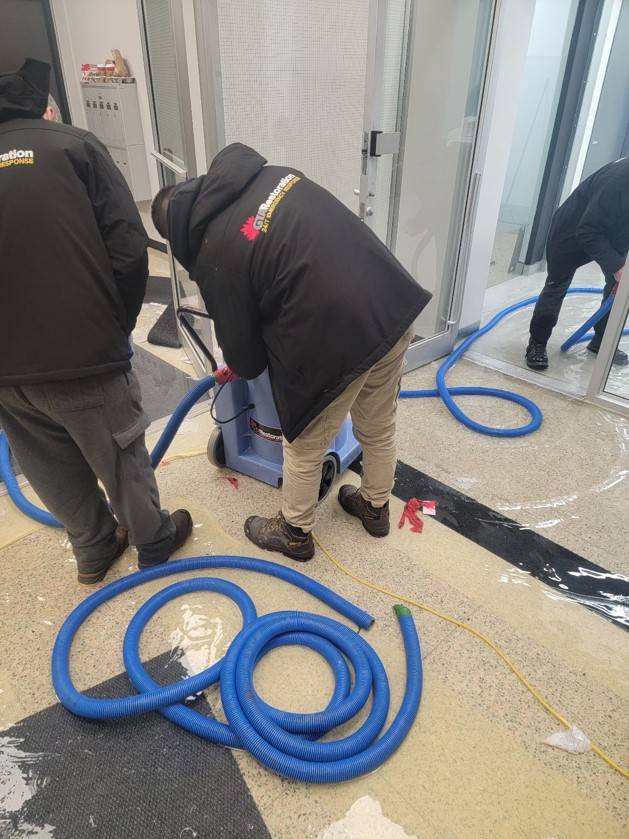
As winter approaches, the cold air, heavy snow, and freezing temperatures bring a host of challenges for homeowners in the Greater Toronto Area (GTA). Among these, one of the most significant threats is water damage. Whether it’s from frozen pipes, ice dams, or melting snow, the winter months can wreak havoc on your home, leading to costly repairs and long-term damage. But don’t worry—by taking the right steps now, you can winterproof your home and protect it from the devastating effects of water damage.
At GTArestoration.ca, we understand the importance of preparation, and we’re here to guide you through the essential steps to ensure your home stays dry, warm, and safe all season long. Here’s the ultimate guide to winterproofing your home and preventing water damage.
1. Inspect and Clean Your Gutters
Clogged gutters are one of the most common causes of water damage during the winter months. When leaves, branches, or other debris build up in your gutters, it prevents proper drainage. As snow melts, the water has nowhere to go, leading to overflowing gutters that can damage your roof, siding, and foundation.
Winterproofing Tip: Before the first snowfall, clean your gutters thoroughly to ensure that they can handle melting snow and rain. Consider installing gutter guards to prevent future blockages and ice buildup, which can lead to even more serious water damage like ice dams.
2. Seal Cracks
As temperatures drop, your home’s windows and doors are the first places where heat escapes and cold air infiltrates. But it’s not just about keeping your home warm—gaps and cracks around these areas can also let in moisture, which can lead to mold, mildew, and rot.
Winterproofing Tip: Inspect all windows and doors for visible cracks or gaps. For additional protection, consider installing storm windows or doors, which provide an extra layer of insulation and prevent drafts.
3. Protect Pipes from Freezing
.When water inside your pipes freezes, it expands, putting immense pressure on the pipes and potentially causing them to burst.
Winterproofing Tip: Insulate exposed pipes with foam sleeves or heating tape, especially in areas like basements, attics, and garages that are more prone to freezing temperatures. Leave cabinet doors open under sinks to allow warm air to circulate around pipes, and if you’re away for an extended period, keep your thermostat set to at least 12°C (55°F) to prevent freezing.
4. Check and Maintain Your Roof
Your roof is your first line of defense against the elements, but during winter, it’s especially vulnerable to damage from snow and ice. Ice dams, which occur when snow melts and refreezes along the edge of your roof, can prevent water from draining properly, leading to leaks inside your home.
Winterproofing Tip: Before the snow starts falling, inspect your roof for damaged or missing shingles, and make any necessary repairs. Clear any debris from the roof to prevent water from pooling. If your roof is older or prone to ice dams, you may want to consider installing heat cables to help melt the snow and prevent water backup.
5. Insulate Your Attic and Walls
Proper insulation is key to keeping your home warm during winter and preventing ice dams. Poor insulation in the attic and walls allows heat to escape, which can cause snow on the roof to melt prematurely and refreeze, creating ice dams.
Winterproofing Tip: Check your attic insulation and add more if necessary. Ensure your attic is properly ventilated so that warm air doesn’t accumulate near the roof. Proper ventilation helps to maintain an even temperature across the roof, preventing the formation of ice dams.
Winterproofing your home is essential for preventing water damage and protecting your property from the harsh conditions that winter brings. By following these simple yet effective steps, you can reduce the risk of costly repairs and keep your home warm, dry, and safe throughout the season. At GTArestoration.ca, we’re dedicated to helping you maintain a safe, healthy home, and we’re here to assist with any winter restoration needs you may have.
Don’t wait until the first snowstorm hits—start winterproofing today, and ensure your home stays safe and dry no matter what winter throws your way. Contact GTArestoration.ca for expert advice and services to help you protect your home from water damage this winter!