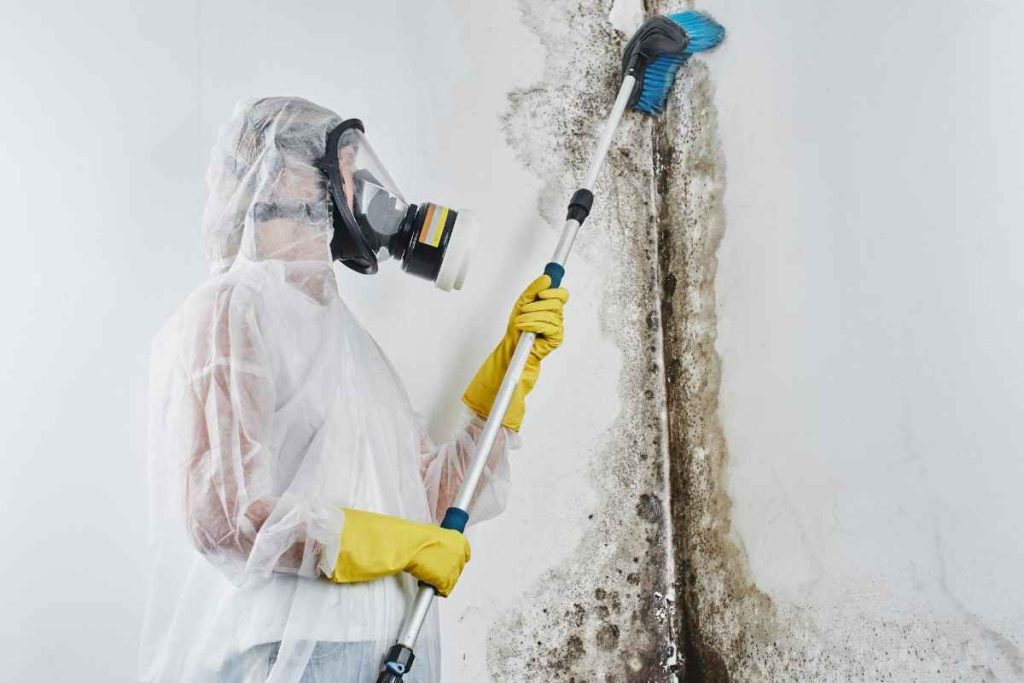
Mold is an ever-present threat to indoor spaces, especially when it goes undetected for long periods. It can damage property and compromise the health of those living or working in affected areas. North York, with its varying climate and high humidity levels, is particularly susceptible to mold growth. This is why an accurate Mold Inspection in North York is essential for homeowners and businesses alike. One of the most reliable methods to detect mold is through air quality testing, which plays a crucial role in ensuring a safe and healthy indoor environment.
Why Air Quality Testing Is Vital For Mold Inspection In North York
A comprehensive Mold Inspection in North York involves more than just a surface-level check. Even if no visible mold is present, airborne mold spores can indicate hidden mold problems that may require immediate attention. Here’s why air quality testing for mold inspection is so crucial:
1. Detects Hidden Mold:
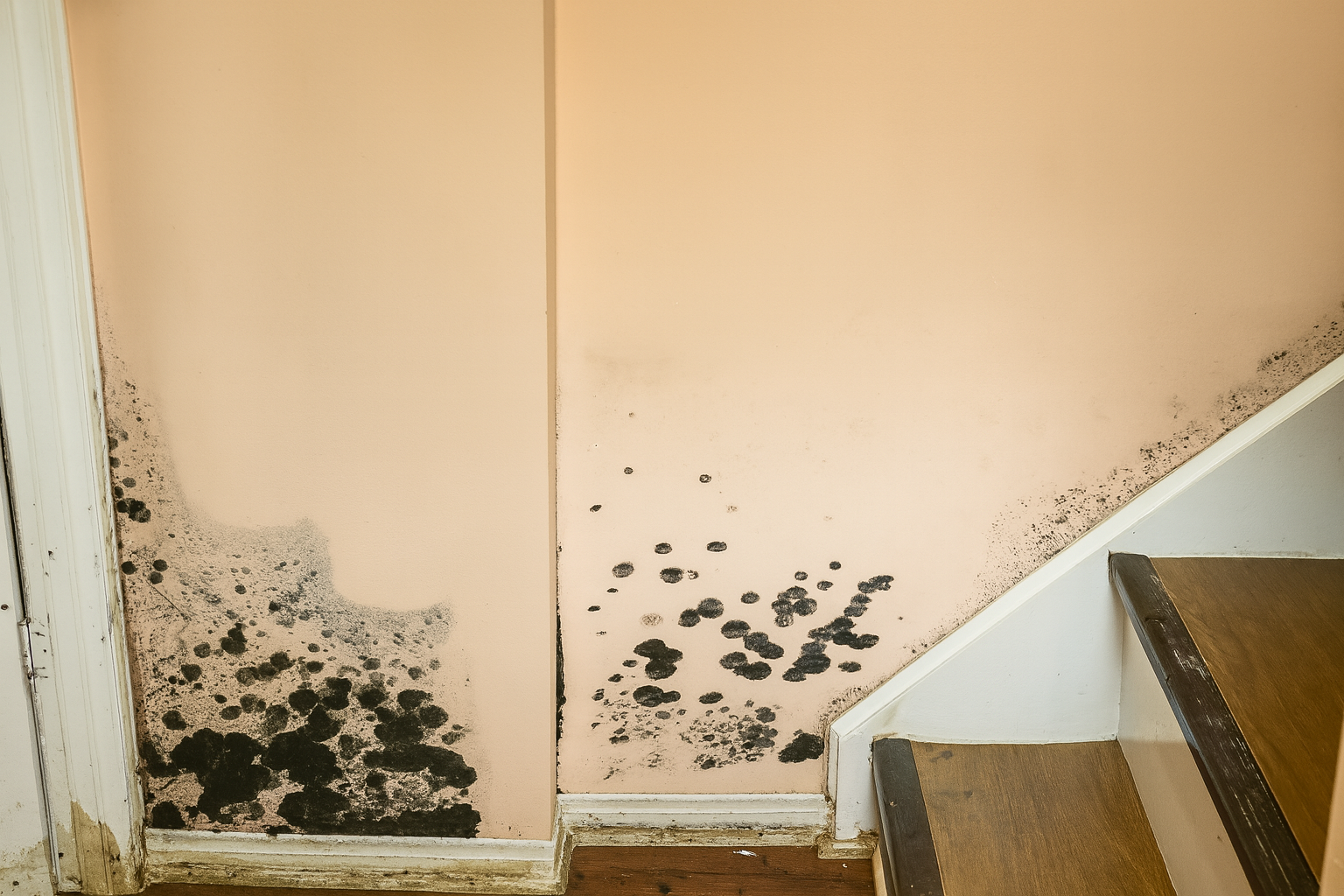
Air testing can reveal mold that is not visible to the naked eye. Mold can grow in hidden areas such as behind drywall, in attics, or in basements, releasing spores into the air that can be harmful when inhaled. An indoor air mold test can identify elevated levels of mold spores in the air, indicating a potential hidden mold problem.
2. Prevents Health Hazards:
Mold exposure can cause a range of health issues, including respiratory problems, skin irritations, and even severe allergic reactions. Air quality testing helps detect the presence of harmful mold spores, allowing for timely intervention and mold remediation to protect the health of residents.
3. Accurate Mold Detection:
While visual inspections can identify surface mold, air quality tests provide a more accurate assessment of the indoor environment. Using advanced air testing equipment, mold inspectors can measure the concentration of mold spores and compare them to outdoor air samples to determine if mold levels are elevated indoors.
4. Supports Effective Mold Remediation:
Once elevated mold levels are detected through air testing, mold removal experts can develop a targeted remediation plan. Proper identification of mold types and concentrations ensures that remediation efforts are precise and effective, preventing mold from returning.
5. Validates Remediation Efforts:
After mold removal, post-remediation air testing is often conducted to ensure that mold levels have returned to normal and the remediation was successful. This step is crucial for providing peace of mind to property owners and ensuring a safe indoor environment.
The Process Of Air Quality Testing For Mold Inspection In North York
During a Mold Inspection in North York, air quality testing is typically performed using specialized equipment such as air sampling pumps and spore traps.
1. Initial Consultation And Inspection:
A certified mold inspector conducts a visual inspection of the property to identify any obvious signs of mold growth, moisture intrusion, or water damage. Areas with high humidity or poor ventilation are given special attention, as they are more prone to mold growth.
2. Air Sampling:
The inspector collects air samples from different areas of the property, including rooms, attics, basements, and HVAC systems. Each air sample is taken using a pump that draws in a specified volume of air and traps any airborne mold spores in a special spore trap.
3. Laboratory Analysis:
The gathered samples are dispatched to a lab for examination and evaluation. The lab identifies and quantifies the types of mold spores present in each sample, providing detailed results on the mold concentration in the indoor air.
4. Comparison With Outdoor Samples:
To establish a baseline, outdoor air samples are also collected and compared with the indoor samples. If indoor mold spore levels are significantly higher than outdoor levels, it indicates a potential mold problem inside the property.
5. Comprehensive Report:
Once the analysis is complete, a comprehensive report is provided, outlining the findings and recommendations for mold remediation if necessary.
When To Consider Air Quality Testing For Mold Inspection In North York
It’s advisable to conduct an indoor air quality test for mold if:
– You notice a musty odor, but there’s no visible mold.
– There’s a history of water damage or flooding on the property.
– Occupants experience unexplained health symptoms such as coughing, sneezing, or headaches.
– You’re purchasing or selling a property and want to ensure it’s mold-free.
– There are visible signs of mold, and you want to determine the extent of contamination.
Effective Mold Removal And Remediation Strategies
Once a Mold Inspection in North York reveals the presence of mold through air quality testing, the next step is mold removal and remediation. Here’s what an effective remediation process typically involves:
1. Containment Of Affected Areas:
The affected areas are isolated to prevent mold spores from spreading to other parts of the property.
2. Air Filtration And Ventilation:
Industrial-grade air filtration systems are used to remove mold spores from the air, improving indoor air quality.
3. Removal Of Mold-Infested Materials:
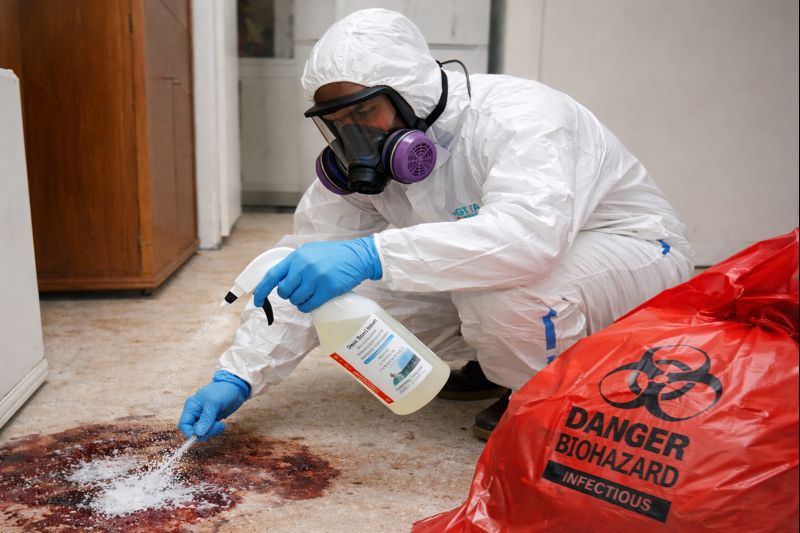
Any materials contaminated with mold, such as drywall, insulation, or carpets, are carefully removed and disposed of.
4. Cleaning And Sanitization:
The affected areas are thoroughly cleaned using specialized products that eliminate mold spores and prevent future growth.
5. Post-Remediation Air Testing:
A follow-up indoor air mold test is conducted to ensure that the mold levels have returned to normal and the property is safe for occupancy.
Conclusion
Air quality testing is a vital component of a thorough Mold Inspection in North York, helping to detect hidden mold, prevent health hazards, and ensure effective remediation. Whether you’re dealing with a suspected mold problem or want to ensure your property is mold-free, consider an indoor air quality test for mold as part of your inspection process. Contact the mold removal experts at GTA Restoration today for reliable mold detection and remediation services to keep your property safe and healthy.