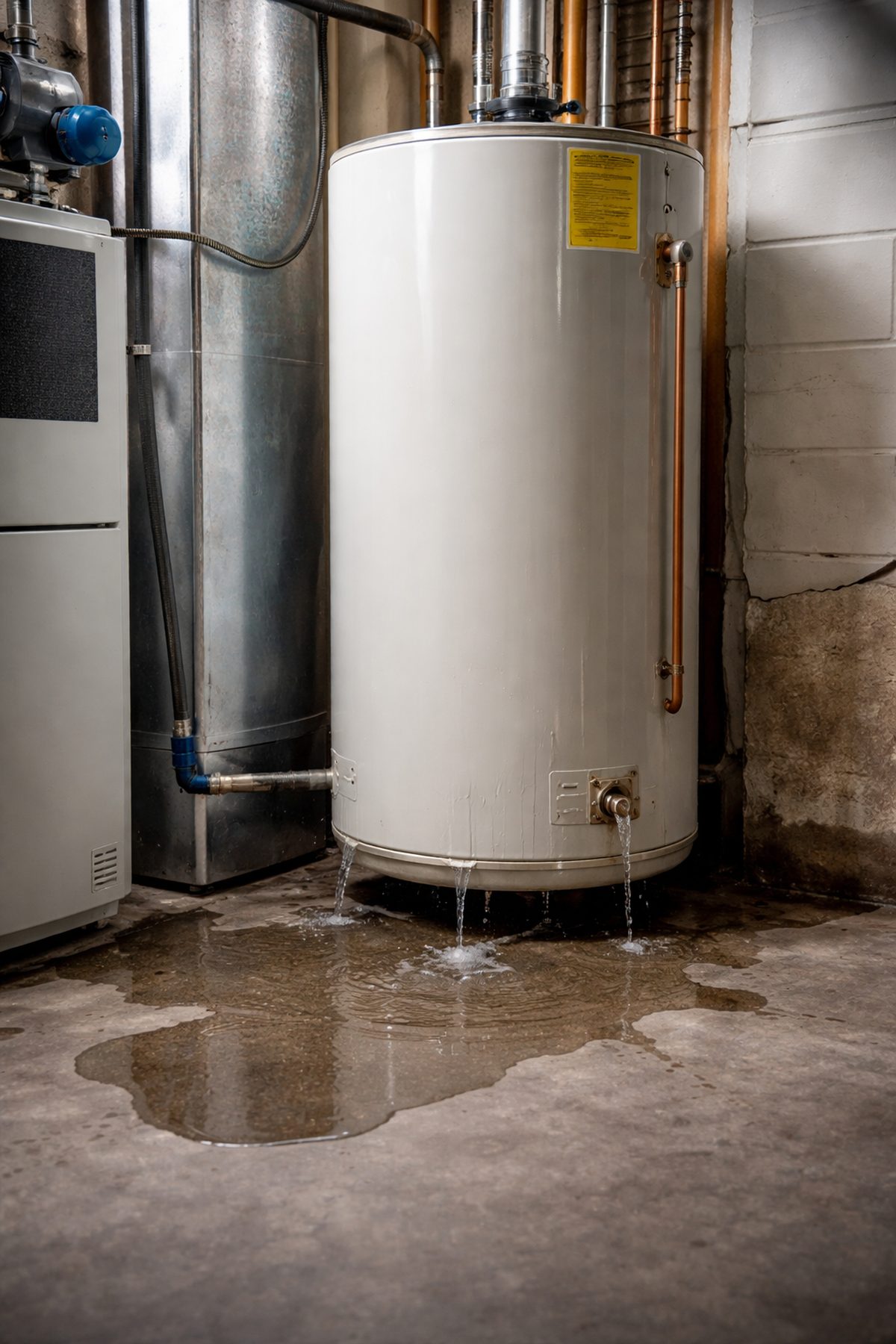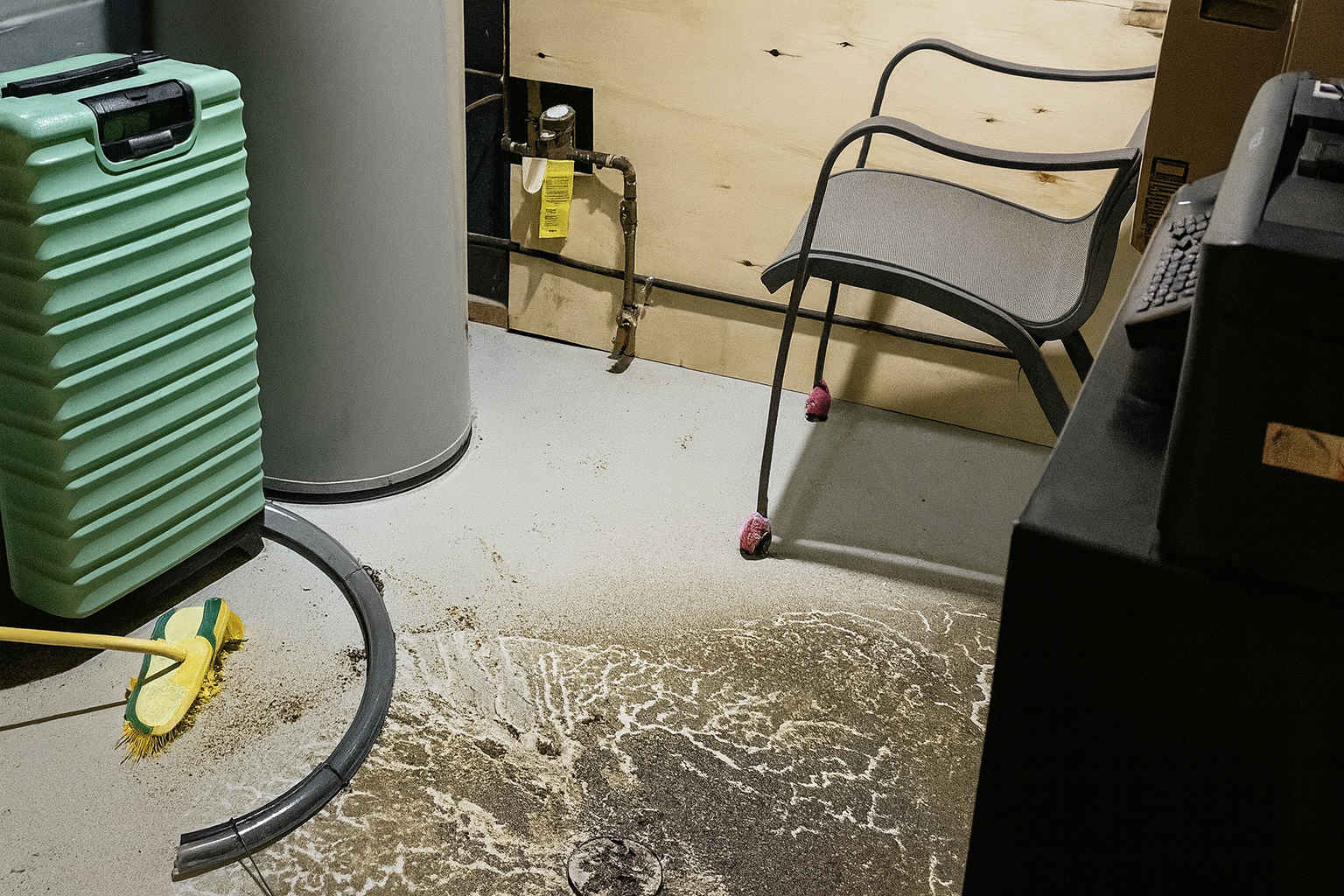
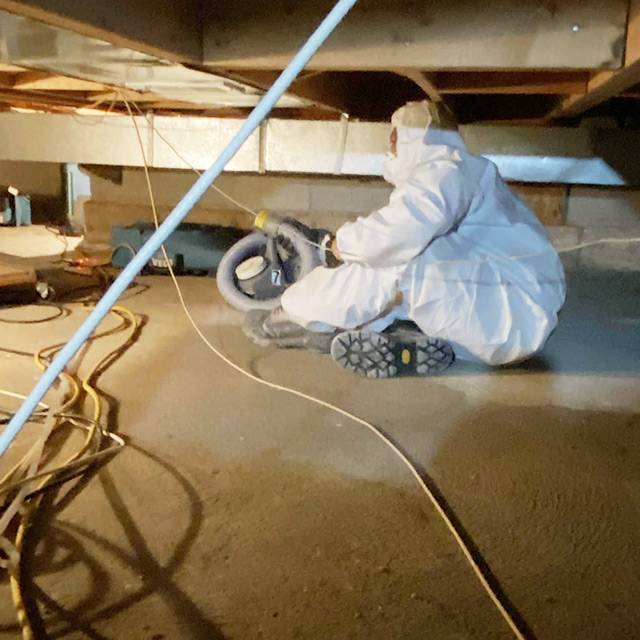
A flooded basement can be a homeowner’s nightmare. Whether caused by a heavy rainstorm, a burst pipe, or a backed-up sewer line, water entering your basement not only threatens your property but can also lead to extensive damage if not addressed immediately. The longer the water sits, the higher the potential costs both in terms of repairs and health risks like mould growth and structural damage.
Why Speed Matters in Basement Flood Restoration
When it comes to basement flooding, every second counts.
- Water Damage Worsens Over Time: The longer your basement stays flooded, the deeper the water can penetrate, damaging flooring, drywall, and personal belongings.
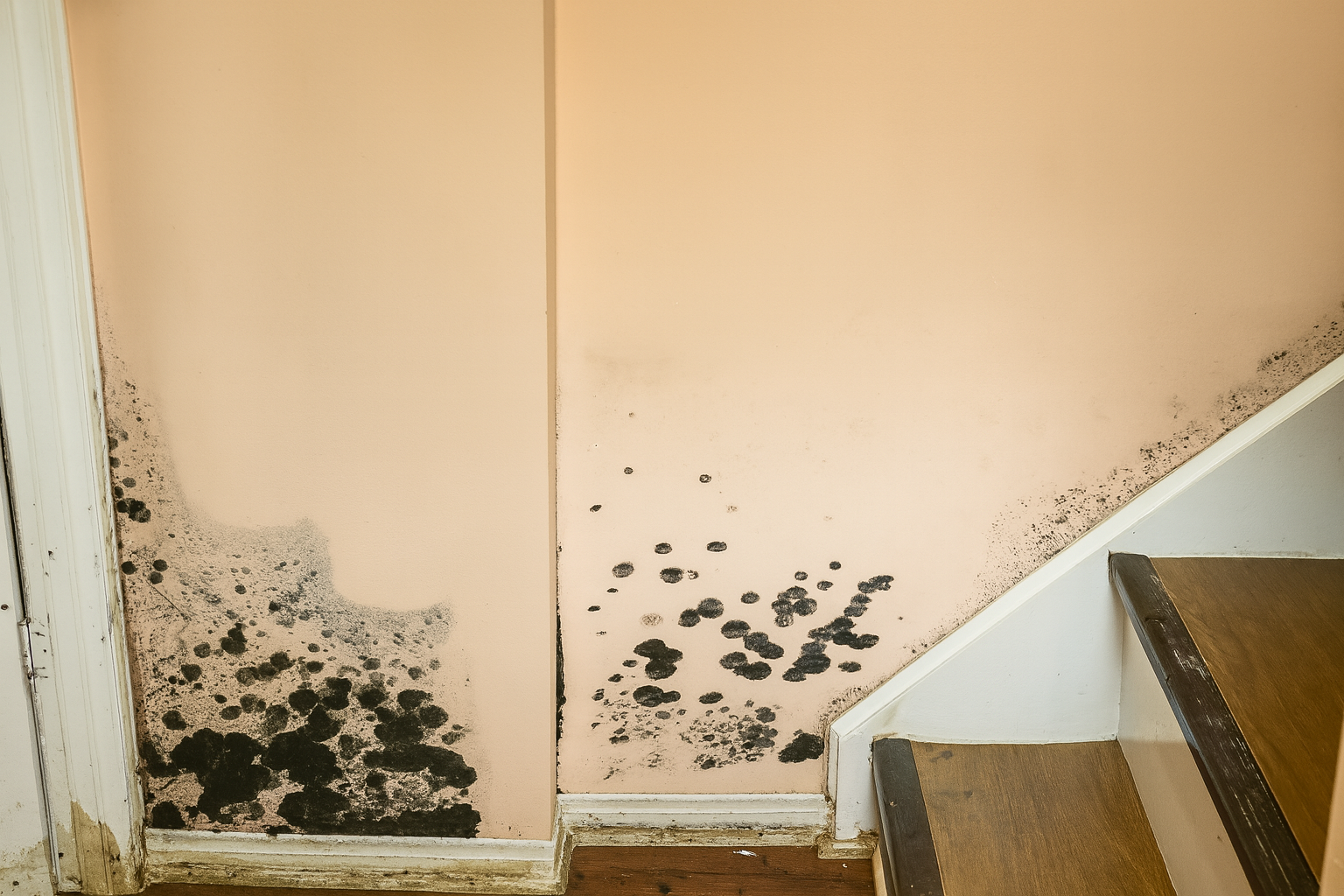
- Mould Growth: Mold thrives in damp, dark environments. If the water is left to sit for more than 24 to 48 hours, you’re at serious risk of developing a mould infestation. Mould can cause health problems and increase restoration costs significantly.
- Electrical Hazards: If floodwater reaches outlets, electrical panels, or wires, there’s a risk of electrocution or fire. Swift action is critical to ensure safety and avoid further damage.
Step 1: Ensure Safety First
Before doing anything, your safety is the top priority. Basement flooding can lead to hazardous conditions, including electrical risks, contaminated water, and unstable structures. Here’s what to do first:
- Turn off the Electricity: If it’s safe to do so, turn off the power supply to your basement and home at the breaker box. Water and electricity don’t mix, and exposed wiring in flooded areas can be dangerous.
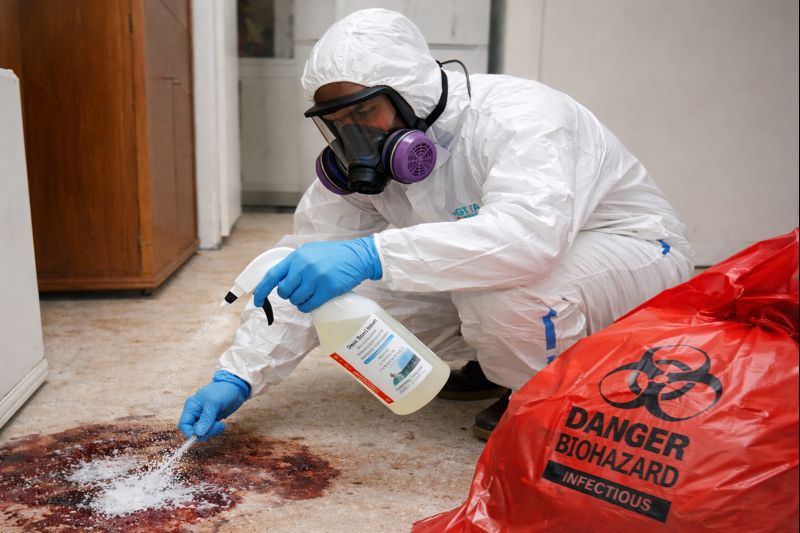
- Avoid Contact with Contaminated Water: If the floodwater is from a sewage backup or stormwater, it’s likely contaminated with bacteria, chemicals, or other harmful substances. Avoid contact with the water until you have the proper protective gear (rubber boots, gloves, and face masks).
- Evacuate if Necessary: If the flood is severe and water levels are rising quickly, evacuate your home and seek higher ground. Don’t risk your safety for personal belongings.
Once you’ve ensured that it’s safe to proceed, you can begin to mitigate the damage.
Step 2: Remove Water as Quickly as Possible
The faster the water is removed, the less chance there is for it to cause long-term damage.
- Use a Sump Pump: If you have a sump pump installed in your basement, this will be your first line of defence. Activate the pump to start removing the water. If your pump is overwhelmed, a backup or additional pump can help speed up the process.
- Shop-Vac or Wet-Dry Vacuum: If you’re dealing with a smaller flood, a wet-dry vacuum can help remove water from carpets, floors, and other surfaces.
- Contact a Professional: For larger floods, or if you don’t have the necessary equipment, it’s best to call a flood restoration company immediately. Professionals have high-powered pumps and equipment that can remove water quickly, minimizing the amount of time your basement remains submerged.
While it may be tempting to wait for the water level to naturally recede, the longer the water stays in your basement, the more damage it will cause.
Step 3: Remove Wet Items and Materials
After the majority of the water has been removed, you’ll need to start the process of salvaging any belongings that might still be recoverable. While it’s tempting to save everything, keep in mind that some items may be beyond repair after being exposed to water.
- Move Belongings to Dry Ground: Remove furniture, electronics, appliances, and personal items as soon as possible. The longer they stay in the flooded area, the higher the chance they’ll be damaged or contaminated.
- Discard Saturated Materials: Certain materials, like carpet, insulation, and drywall, will soak up water quickly and can become breeding grounds for mould. It’s often best to dispose of these items to prevent further damage and health risks.
- Keep Important Documents Safe: If possible, salvage important documents such as tax records, insurance paperwork, or personal photos. Drying them out carefully may save them.
Be mindful that some materials, especially porous ones, may need to be professionally cleaned or disposed of to avoid health hazards.
Step 4: Dry and Dehumidify the Basement
Once you’ve removed the water and salvaged what you can, the next step is to thoroughly dry out the basement to prevent mould growth and further deterioration.
- Increase Ventilation: Open windows and doors (if safe) to improve airflow. Use fans and blowers to circulate air and speed up the drying process.
- Use a Dehumidifier: Dehumidifiers can help reduce the moisture levels in the air and absorb any lingering water in walls and floors. The more efficient your dehumidifier, the faster the drying process.
- Check for Hidden Moisture: Use a moisture meter to identify areas that are still damp. This is especially important in areas like insulation, wood beams, and behind walls. If moisture is detected, it may require professional drying equipment to reach the hard-to-dry areas.
If drying is not done properly, hidden moisture can cause mould and mildew to develop within days, making the restoration process more expensive and complicated.
Basement floods can be overwhelming, but acting quickly can help minimize the damage and associated costs. By ensuring safety, removing water promptly, salvaging items, and drying the area, you can significantly reduce the impact of a basement flood. If the situation is severe or if you feel unsure, don’t hesitate to call in professionals to handle the restoration process. The faster you act, the better chance you have of preventing long-term damage, mould growth, and expensive repairs. At GTARestoration.ca, we specialize in basement flood restoration and can provide the fast, professional services you need to get your home back to normal.