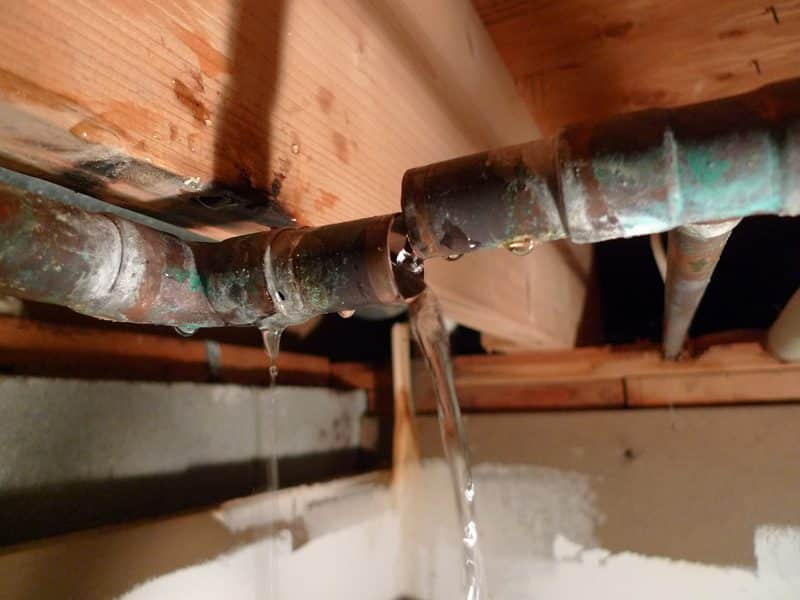
As winter approaches, homeowners must take proactive measures to protect their property from the harsh cold. One of the most common issues during this season is frozen pipes, which can lead to costly repairs and water damage. At GTArestoration.ca, we understand the importance of winterizing your home. Here’s a comprehensive guide to DIY winterization, featuring simple steps to keep your pipes from freezing.
Why Frozen Pipes Are a Concern
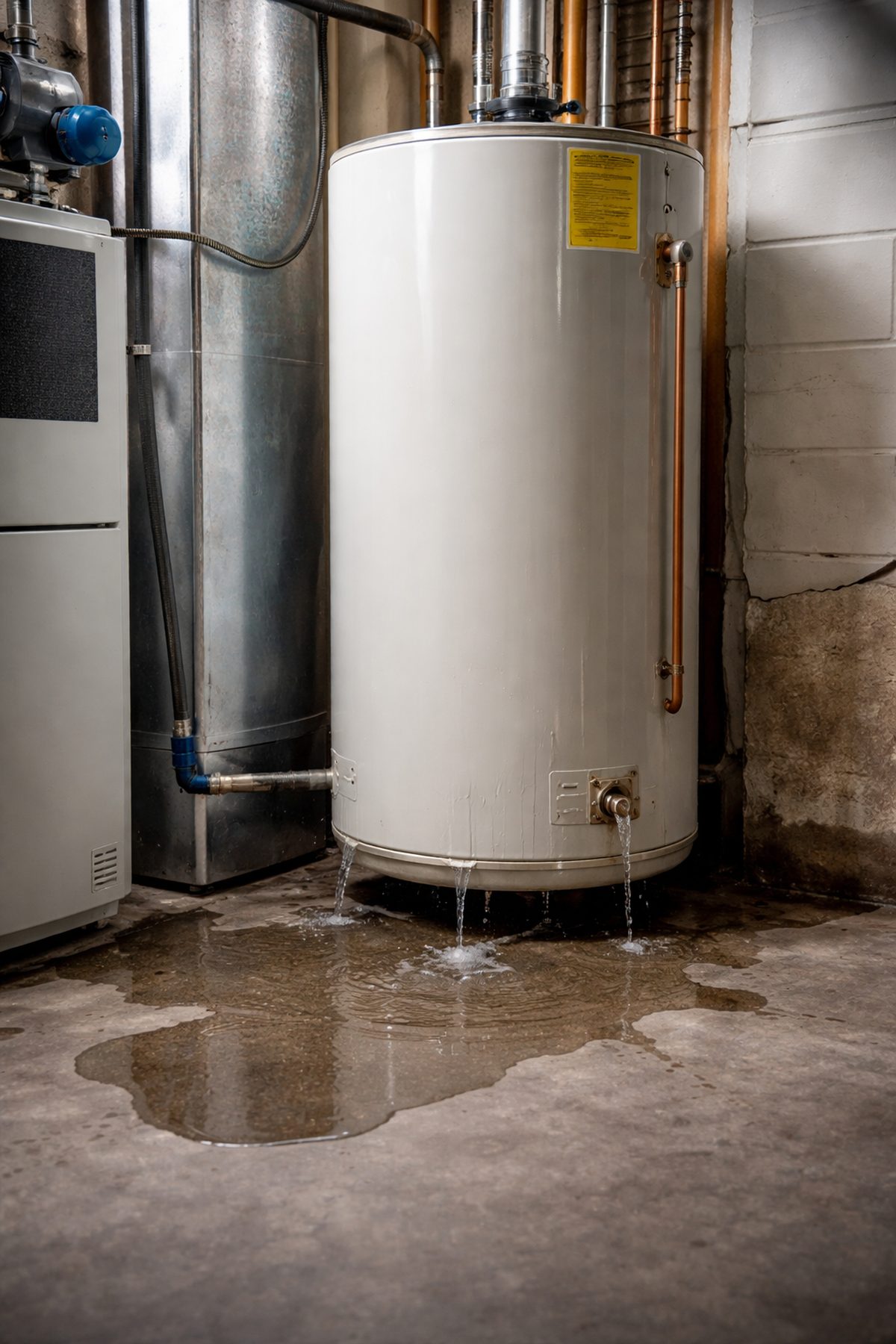
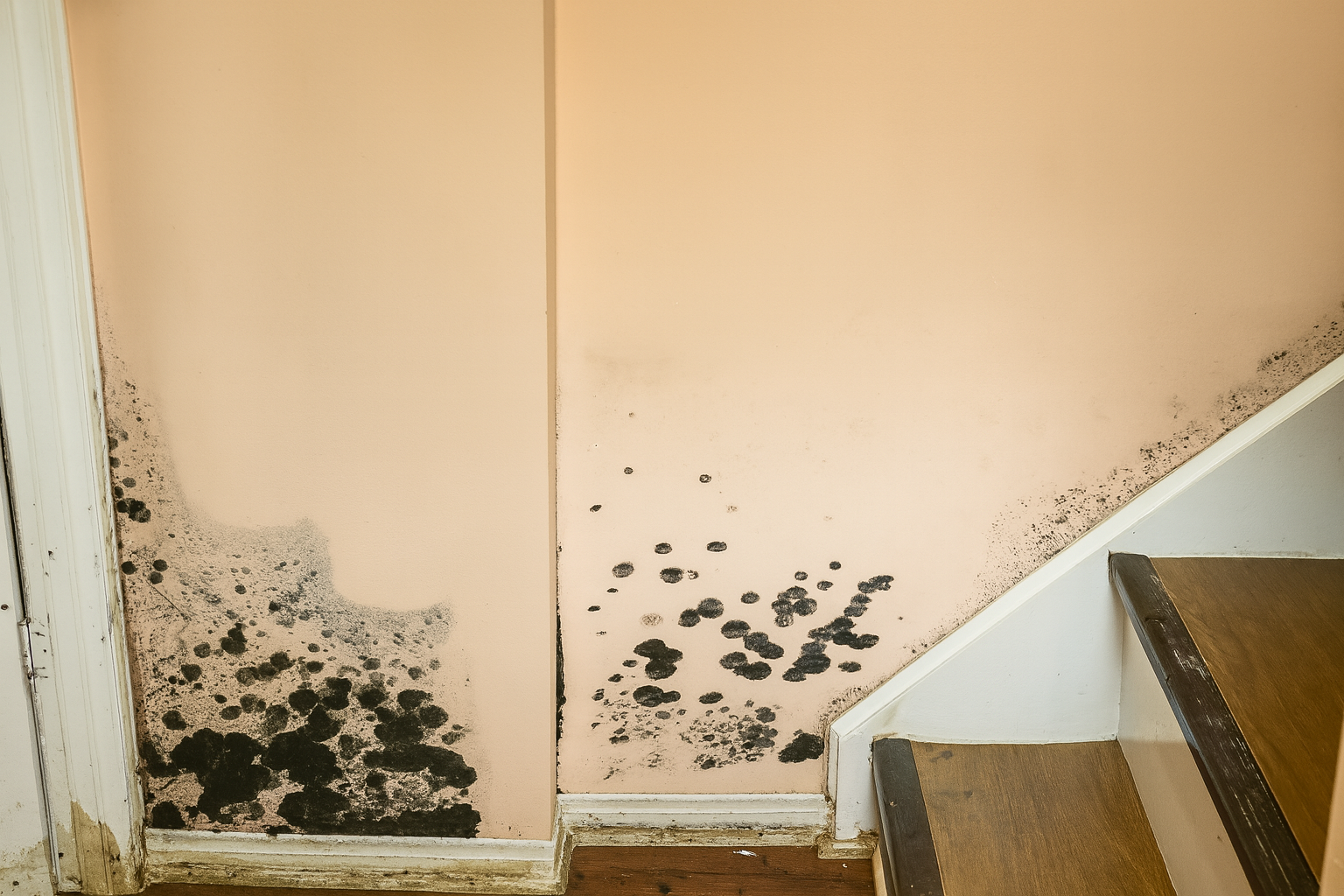
This not only leads to immediate water damage but can also create a hazardous environment in your home. Even minor leaks can lead to mold growth and structural issues, making prevention crucial.
Step 1: Know Your Vulnerable Pipes
The first step in preventing frozen pipes is identifying which ones are most at risk. Generally, pipes located in:
- Unheated areas: Basements, attics, garages, and crawl spaces are more susceptible to freezing.
- Exterior walls: Pipes running along exterior walls, especially those without insulation, are at higher risk.
- Outdoors: Hose bibs and outdoor faucets are particularly vulnerable.
By knowing where your vulnerable pipes are, you can take targeted action to protect them.
Step 2: Insulate Pipes
Insulating your pipes is one of the most effective ways to prevent freezing. Here’s how to do it:
- Use Pipe Insulation: Purchase foam pipe insulation from your local hardware store. Cut it to size and wrap it around exposed pipes, securing it with tape.
- Consider Heat Tape: For areas that experience severe cold, you might want to use heat tape, which can be plugged in to provide additional warmth.
- Insulate Other Areas: Don’t forget to insulate areas where pipes are located, such as walls, basements, and crawl spaces. Use insulation boards or spray foam for added protection.
Step 3: Seal Cracks and Openings
Sealing any cracks or openings in your home can significantly reduce cold air infiltration and protect your pipes. Here’s how to do it:
- Inspect Your Home: Check for gaps around windows, doors, and foundation walls.
- Use Caulk or Expanding Foam: Seal small cracks with caulk and larger openings with expanding foam insulation.
Step 4: Maintain a Consistent Temperature
Keeping a consistent temperature throughout your home is vital for preventing frozen pipes. Here are some tips:
- Set Your Thermostat: Keep your thermostat set to at least 55°F (13°C) day and night, even when you’re away from home.
- Open Cabinet Doors: For sinks located on exterior walls, open the cabinet doors to allow warm air to circulate around the pipes.
Step 5: Let the Faucet Drip
A simple yet effective trick to prevent freezing is to let your faucets drip. Here’s how it works:
- Open Faucets: Allow a slow trickle of water to run from faucets connected to pipes that are prone to freezing. The movement of water can help prevent it from freezing in the pipes.
- Choose Both Hot and Cold: If you’re concerned about freezing, let both the hot and cold faucets drip.
Step 6: Drain and Shut Off Outdoor Faucets
Outdoor faucets and hoses are particularly vulnerable during winter. To protect them:
- Disconnect Hoses: Remove garden hoses from outdoor faucets to prevent water from remaining in the line.
- Shut Off Water Supply: If your outdoor faucet has a shut-off valve, turn it off. Drain any remaining water from the faucet by opening it and letting it run until empty.
- Insulate Outdoor Faucets: Consider using insulated covers specifically designed for outdoor faucets to provide extra protection.
Step 7: Monitor the Weather
Keeping an eye on weather forecasts is crucial during winter months. Here’s what you can do:
- Watch for Temperature Drops: Be vigilant about cold snaps, especially when temperatures are expected to drop significantly.
- Take Action Before Cold Spells: If a cold spell is approaching, take additional precautions such as letting faucets drip and ensuring your home is adequately heated.
Step 8: Consider a Heating System
For homeowners in extremely cold climates, investing in a heating system for vulnerable areas may be worthwhile. Options include:
- Heating Cables: These can be installed along pipes to prevent freezing.
- Portable Heaters: Use portable heaters in areas with high freeze risk, ensuring they are safe and monitored.
Step 9: Know How to Respond
Despite your best efforts, you may still encounter frozen pipes. Here’s how to respond:
- Identify the Frozen Pipe: Look for pipes that are noticeably cold or have frost on them.
- Apply Heat Gradually: Use a hairdryer, heat lamp, or towel soaked in hot water to gradually thaw the frozen section. Avoid using open flames, which can be dangerous.
- Keep the Faucet Open: As you apply heat, keep the faucet open to allow water to flow once it begins to thaw.
Step 10: Call a Professional
If you suspect that a pipe has burst or if you are unable to locate a frozen pipe, it’s best to call a professional immediately. At GTARestoration.ca, we specialize in water damage restoration and can provide the assistance you need to address any issues quickly and effectively.
Conclusion
Winterizing your home to prevent frozen pipes doesn’t have to be complicated. By following these simple DIY steps, you can safeguard your plumbing and protect your home from the damaging effects of frozen pipes. Regular maintenance and vigilance during the winter months will go a long way in ensuring your home stays safe and warm. If you ever face issues with water damage, remember that the experts at GTARestoration.ca are just a call away. Stay warm and prepared this winter!