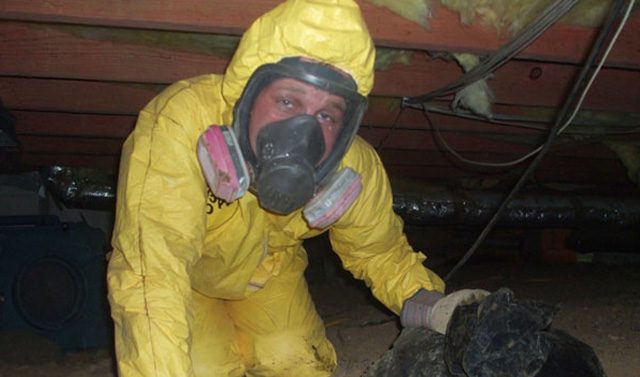
A basement sewer backup can be one of the most stressful and messy problems for any homeowner. Whether it’s caused by heavy rainfall, clogged pipes, or a municipal sewer issue, the damage can be extensive if not addressed quickly. For residents in Toronto, Mississauga, Oakville, and Aurora, knowing sewer backup in your basement can make a significant difference in minimizing damage and restoring your home.
Here’s an emergency guide to help you navigate the situation and protect your property.
1. Identify the Problem
The first step is to confirm that you’re dealing with a sewer backup. Common signs include:
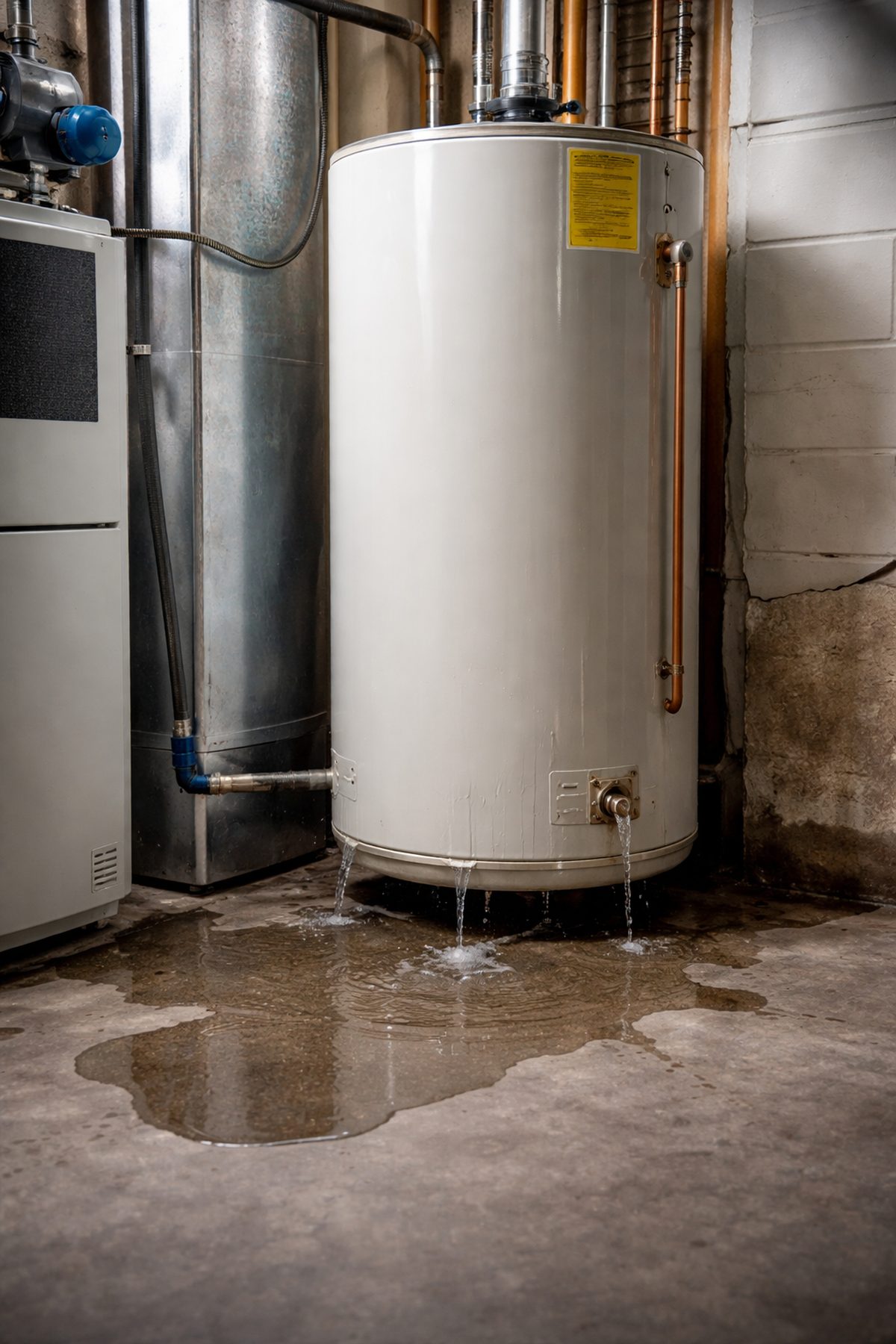
- Foul-smelling water pooling in your basement.
- Gurgling noises from toilets or drains.
- Water backing up in multiple drains, especially during or after heavy rain.
For homeowners in Oakville, recognizing sewer backup in basement in Oakville is crucial to addressing the issue promptly. If you notice any of these signs, it’s time to take action.
2. Stop Using Water
When a sewer backs up, it means your drainage system is overwhelmed and can no longer handle additional wastewater. Continuing to use water will worsen the problem and increase flooding.
- Avoid flushing toilets, running faucets, or using appliances like dishwashers and washing machines until the issue is resolved.
For residents in Aurora, understanding sewer backup in basement in Aurora starts with stopping any activity that could contribute to the backup.
3. Ensure Safety First
A sewer backup can pose serious health risks due to the presence of harmful bacteria, viruses, and contaminants. Protect yourself and your family by taking the following precautions:
- Turn off electricity: If water levels are rising near electrical outlets or appliances, turn off the power to your basement to avoid electrical hazards.
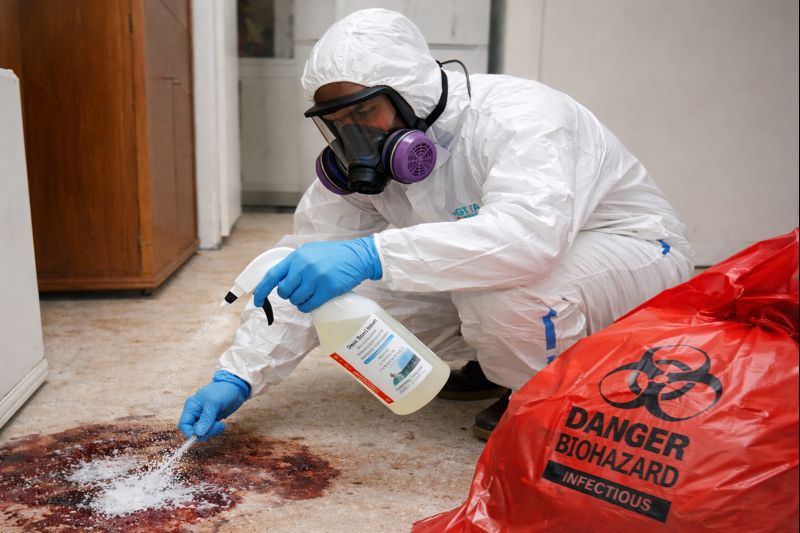
- Wear protective gear: Use gloves, boots, and masks to avoid direct contact with contaminated water.
- Keep children and pets away: Ensure that everyone in your household stays out of the affected area.
For Toronto homeowners wondering Best sewer backup service in Toronto, ensuring safety is the first and most important step.
4. Call a Professional Plumber or Restoration Service
Sewer backups are complex problems that require professional expertise. Attempting to handle the situation on your own can lead to further damage or health risks.
- Contact a plumber: A licensed plumber can identify the cause of the backup and take steps to fix it. This might involve clearing a blockage, repairing damaged pipes, or addressing municipal sewer issues.
- Hire a restoration company: Companies like gtarestoration.ca specialize in cleaning and restoring homes affected by sewer backups. Their team can safely remove contaminated water, clean and sanitize the area, and help prevent mold growth.
Residents in Mississauga often ask, Quality sewer backup Mississauga? Professionals can provide a thorough diagnosis and effective solutions to restore your home.
5. Document the Damage
Before beginning any cleanup or repairs, document the damage for insurance purposes. Take photos and videos of the affected areas, including:
- Standing water.
- Damaged furniture or belongings.
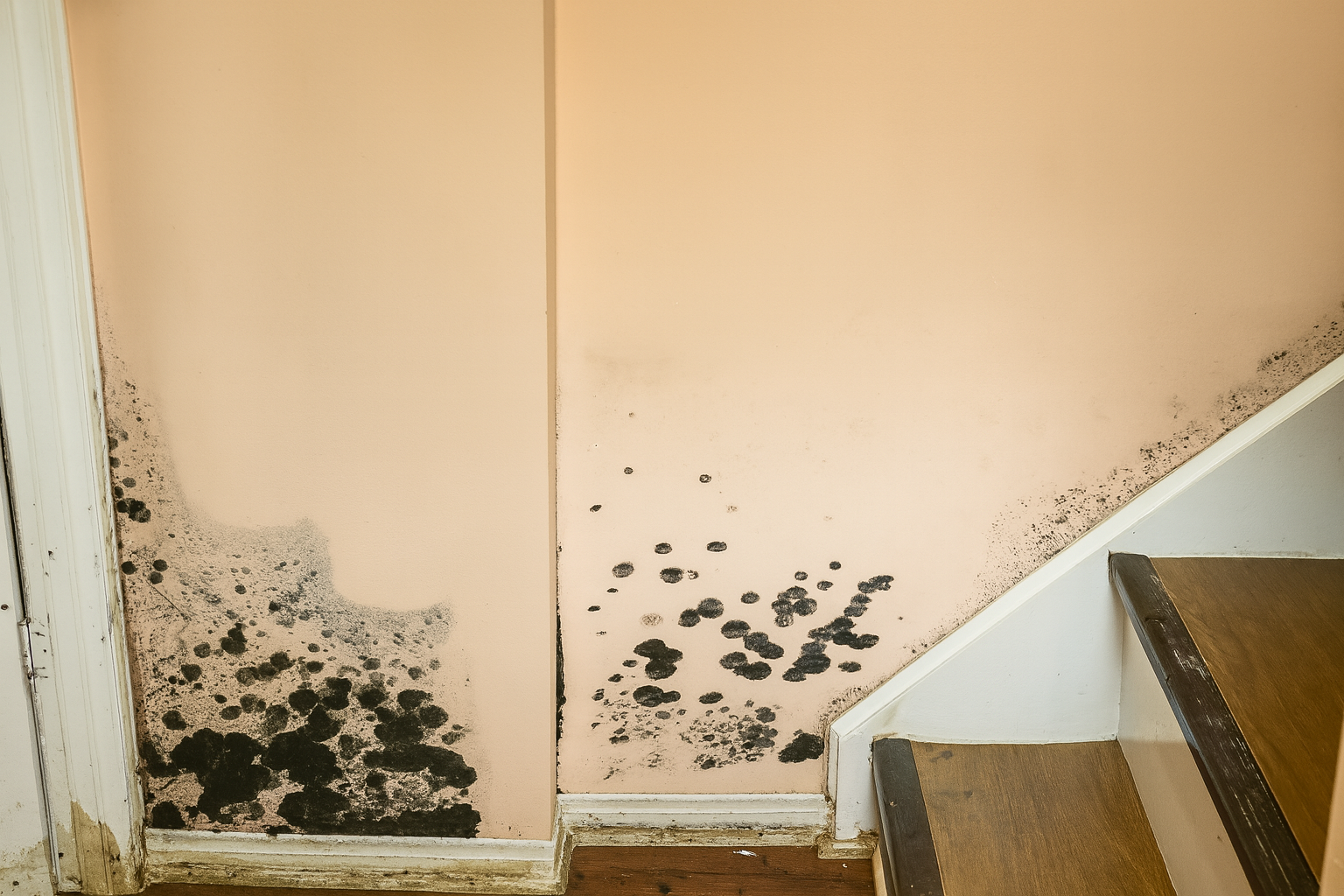
- Evidence of structural damage, such as warped floors or discolored walls.
Many insurance policies cover sewer backup damage, so having detailed records can expedite the claims process.
6. Start the Cleanup Process
Once professionals have addressed the source of the backup, the cleanup process can begin. While restoration experts will handle most of the work, there are some steps you can take:
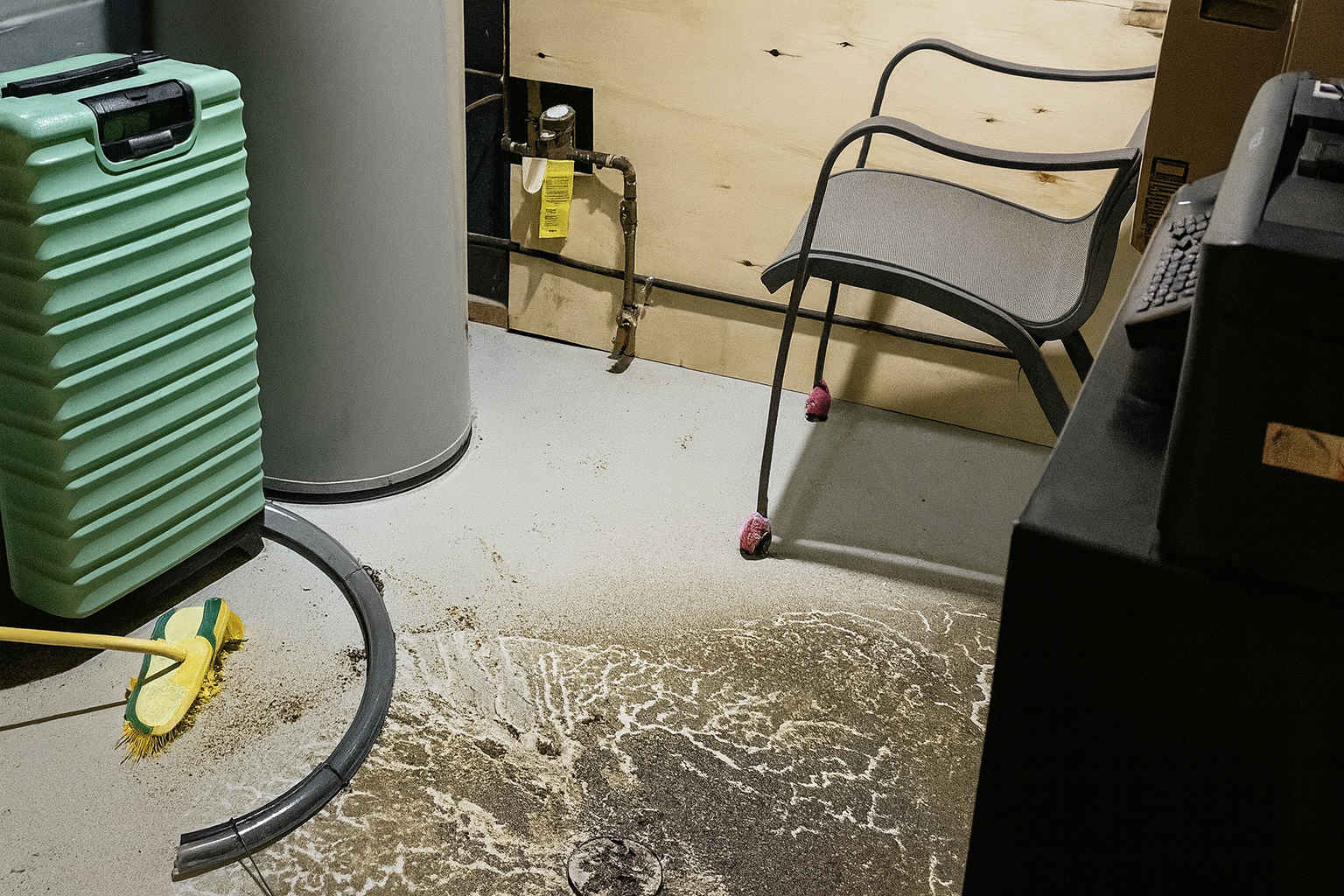
- Remove water: Use a wet/dry vacuum or pumps to extract standing water. Be cautious not to touch contaminated water directly.
- Dispose of damaged items: Discard any porous materials that have been soaked, such as carpets, mattresses, and upholstered furniture, as they can harbor harmful bacteria.
- Sanitize surfaces: Clean all hard surfaces with a solution of bleach and water to kill germs and prevent mold growth.
Understanding what happens when your sewer backup helps you take the right steps to ensure your home is thoroughly cleaned and safe to occupy.
7. Prevent Future Sewer Backups
After addressing the immediate issue, focus on preventing future backups. Here are some tips:
- Install a backwater valve: A backwater valve prevents sewage from flowing back into your home during heavy rain or municipal sewer overloads. The City of Toronto Basement Flooding Protection Subsidy Program may help cover the cost of installation.
- Maintain your plumbing system: Schedule regular inspections and cleanings to remove clogs and debris that can contribute to sewer backups.
- Avoid flushing inappropriate items: Never flush grease, wipes, or other non-biodegradable materials down your drains.
For Oakville residents wondering what to do if sewer backs up, taking preventative measures can save you from future headaches.
Conclusion
Dealing with a basement sewer backup is never easy, but knowing what to do if sewer backs up can help you manage the situation effectively. By following this emergency guide and seeking professional help, you can minimize damage, protect your health, and restore your home.
If you’re in Toronto, Mississauga, Oakville, or Aurora, trusted restoration companies like gtarestoration.ca are here to assist you with expert services tailored to your needs. Whether you’re dealing with a minor backup or extensive flooding, they can provide the support you need to get your home back to normal.
Take action today to protect your home and peace of mind. Don’t let a sewer backup take over!