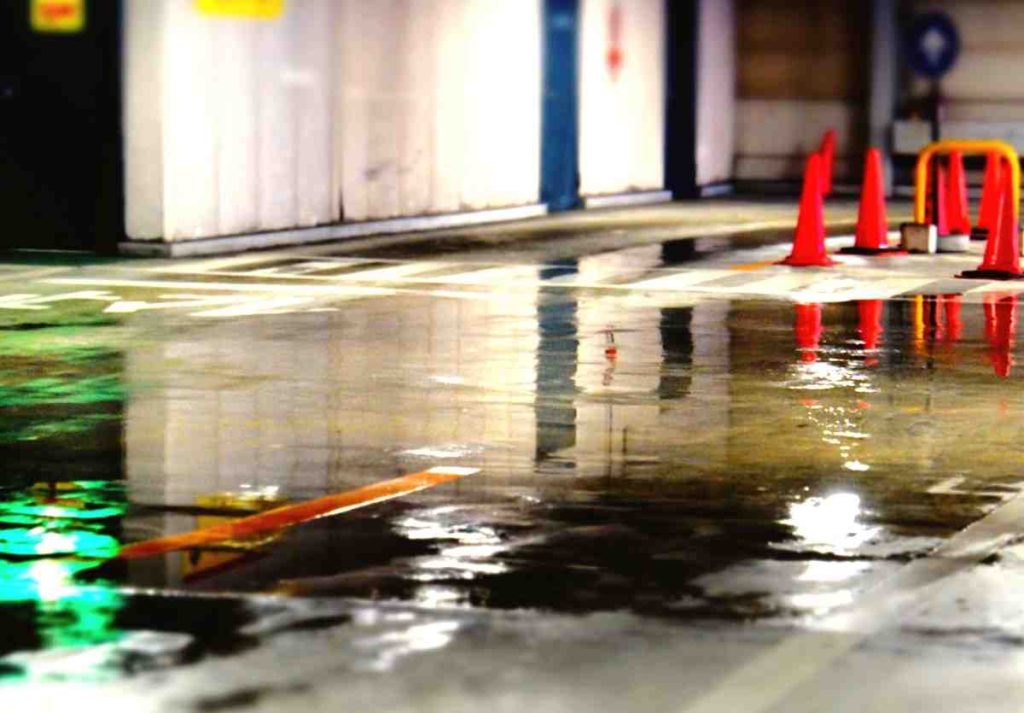
A damp or flooded basement can be a homeowner’s nightmare, leading to costly damage and health hazards like mold growth. If you’re considering waterproofing your basement, it’s crucial to ensure it is completely dry beforehand. Proper drying not only enhances the effectiveness of waterproofing but also prevents future issues.
1. Assess the Situation
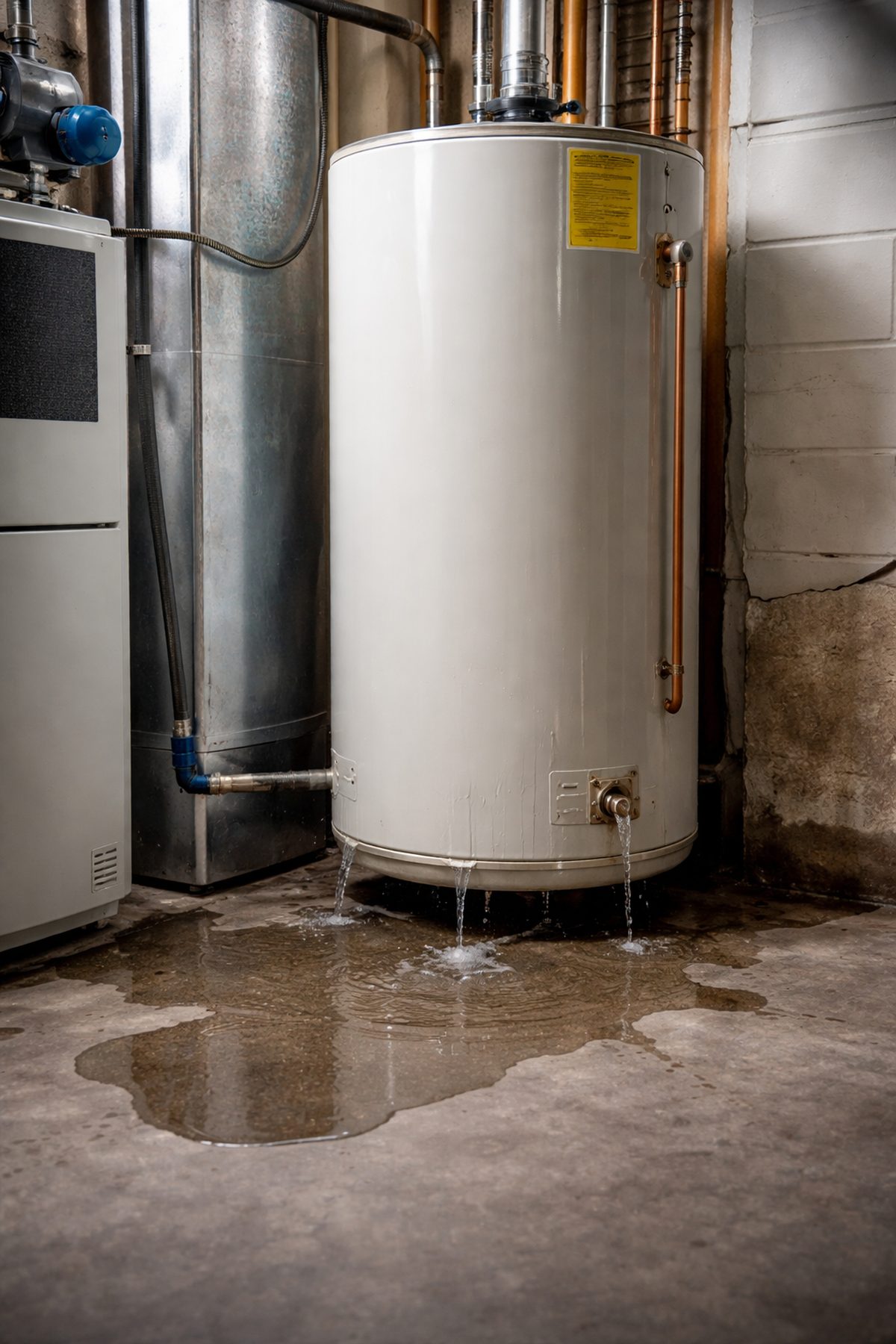
The first step in drying your basement is to assess the extent of the water damage. Identify the source of the moisture—whether it’s due to heavy rain, plumbing leaks, or groundwater seepage. Check for visible signs of water accumulation, such as puddles, damp walls, or musty odors. Understanding the source will help you address the problem more effectively.
Key Considerations:
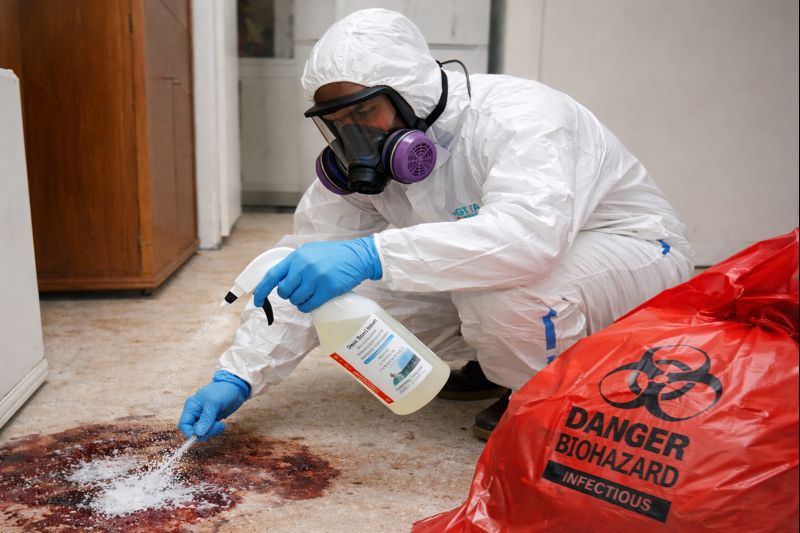
Type of Water: Determine if the water is clean (from a broken pipe), gray (from appliances), or black (from sewage). This will influence the drying process and safety precautions.
Area Affected: Note how extensive the water damage is. Is it localized, or has it spread throughout the basement?
2. Remove Standing Water
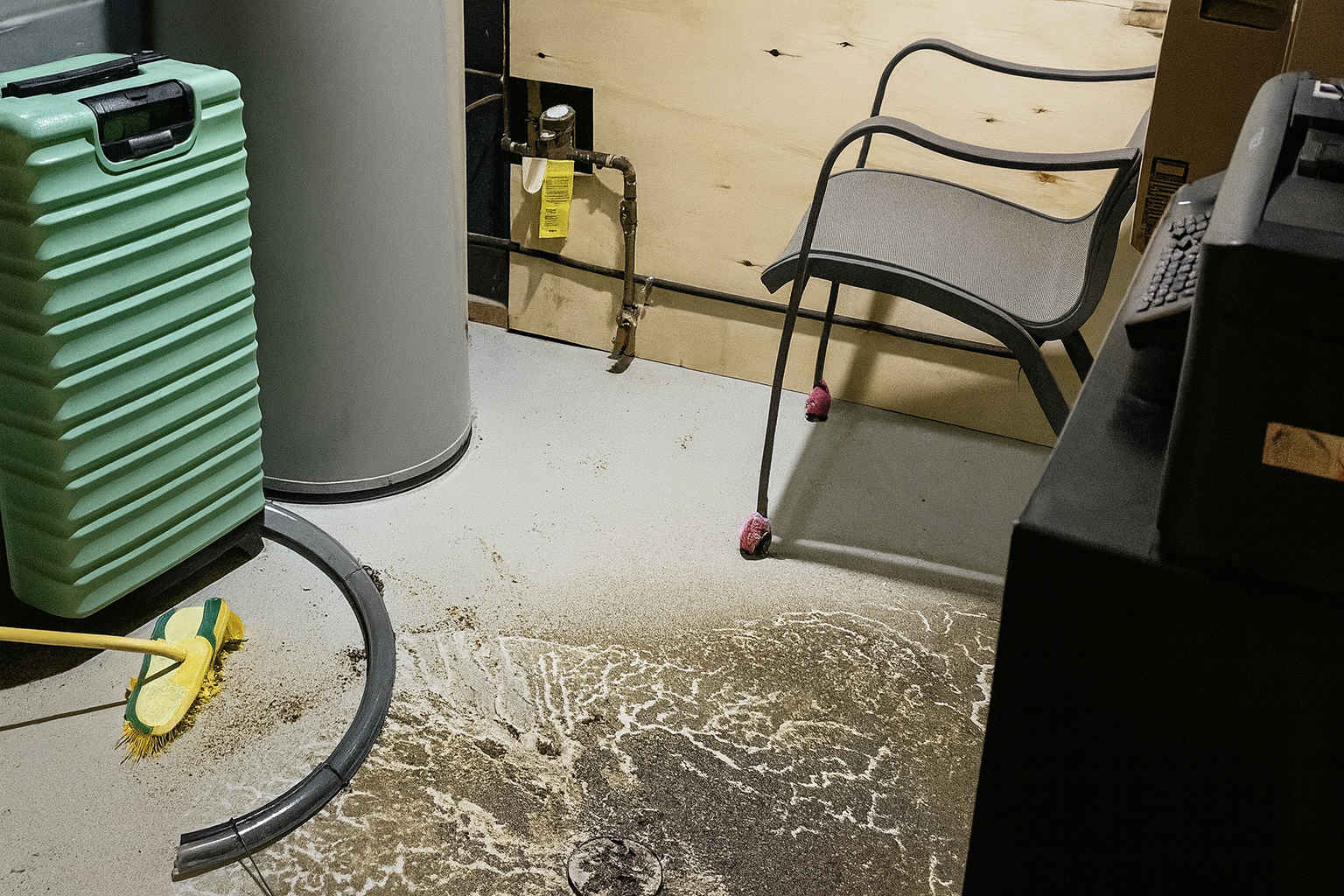
Once you’ve assessed the situation, it’s time to remove any standing water. The most effective way to do this is by using a submersible pump or a wet/dry vacuum. If the water level is high, a submersible pump can quickly remove it. For smaller amounts of water, a wet/dry vacuum works well.
Tips for Effective Water Removal:
Safety First: Ensure that the electricity is turned off before operating any electrical equipment near water to prevent electrocution.
Pump or Vacuum: Use a submersible pump for large volumes of water, and switch to a wet/dry vacuum for residual moisture.
3. Improve Air Circulation
After removing standing water, improving air circulation in your basement is essential to promote drying. Open windows and doors to allow fresh air to circulate. If the weather permits, use fans to increase airflow.
Recommended Methods:
Fans: Position box fans strategically to blow air across damp surfaces. Ceiling fans can also help circulate air.
Dehumidifiers: Invest in a good quality dehumidifier to remove moisture from the air. This is particularly useful in basements, where humidity levels are often higher.
4. Dry Out Materials
Certain materials in your basement, such as carpets, drywall, and insulation, can absorb moisture and hinder the drying process. It’s essential to address these materials to ensure thorough drying.
Steps to Dry Out Materials:
Remove Carpeting: If the carpet is saturated, it may need to be removed and dried separately. If it’s too wet and cannot be salvaged, consider replacing it.
Check Drywall: Inspect drywall for water damage. If it’s saturated, cut out the affected sections and replace them. If only slightly damp, use fans to dry it.
Insulation: If insulation is wet, it may need to be replaced, as it can hold moisture and promote mold growth.
5. Inspect for Mold Growth
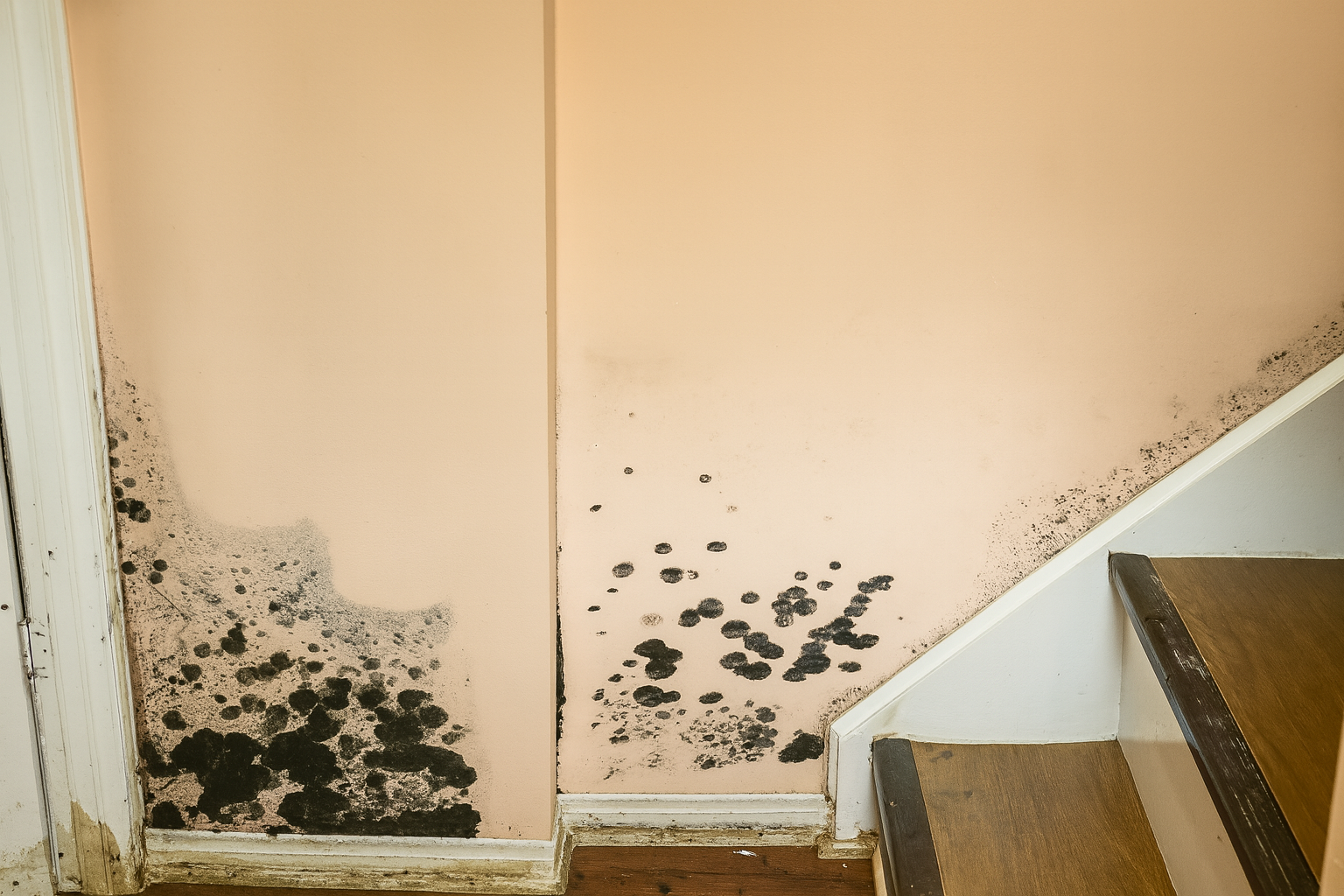
Once your basement is dry, it’s crucial to inspect for mold. Mold can start to develop within 2448 hours of water exposure, so timely inspection is key.
Mold Inspection Tips:
Look for Signs: Check for visible mold or mildew on surfaces, especially in corners, around windows, and on walls.
Smell: Pay attention to musty odors, which can indicate mold presence even if it’s not visible.
Conduct a Test: If you suspect mold but don’t see it, consider using a mold testing kit to confirm its presence.
6. Prepare for Waterproofing
After ensuring your basement is completely dry and free of mold, you can start preparing for waterproofing. This may involve:
Sealing Cracks: Fill any cracks or gaps in the walls and floors with hydraulic cement or a suitable sealant to prevent future water intrusion.
Choosing a Waterproofing System: Research and choose a waterproofing system that suits your basement’s needs. This could be interior or exterior waterproofing, depending on the severity of the water issue.
Conclusion
Drying your basement before waterproofing is a crucial step in ensuring long term protection against water damage. By following these essential steps—assessing the situation, removing standing water, improving air circulation, drying out materials, inspecting for mold, and preparing for waterproofing—you can effectively safeguard your home from moisture related issues. If you need professional assistance, consider reaching out to experts like GTARestoration. With years of experience in restoration and waterproofing services, we can help you ensure your basement is dry and protected for years to come. Don’t wait until it’s too late—act now to protect your home!