Testing for mold in your home is a crucial step in identifying hidden dangers that could affect your health and your home’s structural integrity. However, many homeowners wonder, “What happens after you test for mold?” Once the tests are done, the real work begins. Understanding the next steps in the mold remediation process can help you take action to ensure your home stays safe and healthy.
At GTARestoration.ca, we specialize in mold removal, cleanup, and damage restoration, offering expert services that will eliminate mold from your home effectively and efficiently. If you’ve recently tested your home for mold or suspect an issue, here’s what you need to know about the steps that follow.
1. Understanding the Mold Test Results
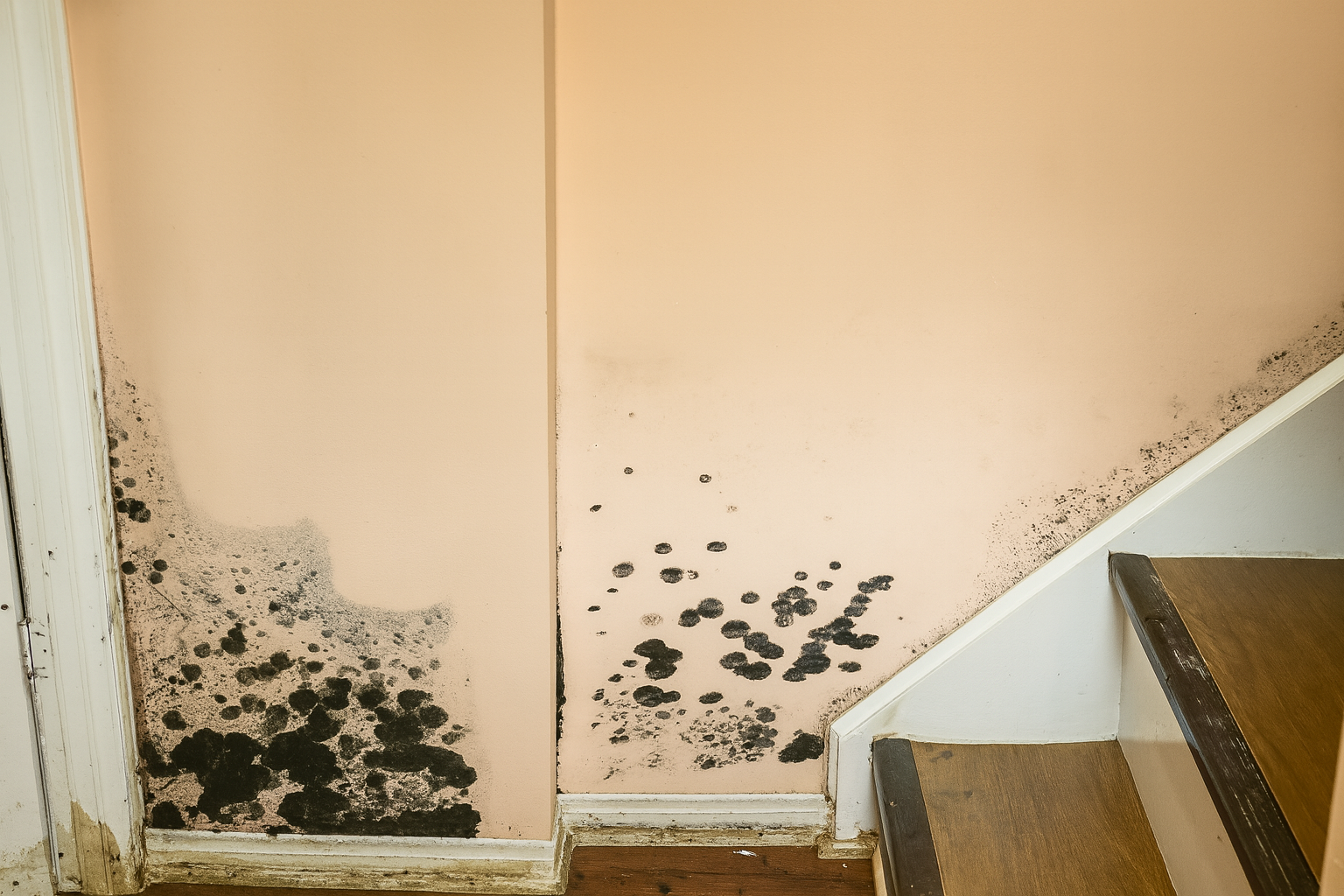
After the test results come in, you’ll have a clearer picture of whether mold is present in your home and, if so, the type of mold that’s growing. There are several kinds of mold, but one of the most concerning types is black mold (Stachybotrys chartarum). Black mold is notorious for being toxic and can cause a variety of health issues such as respiratory problems, skin irritation, and allergic reactions. If the test reveals the presence of black mold or other hazardous molds, it’s time to take immediate action.
2. Mold Removal Assessment and Planning
Once the test results confirm mold contamination, the next step is an in-depth assessment of your home. A professional mold remediation company like GTARestoration.ca will conduct a thorough inspection to determine the extent of the mold problem. This includes identifying the sources of moisture and the areas most affected by mold growth.
Mold cleanup is not a one-size-fits-all process. The extent of mold damage can vary significantly, and the cleanup plan will be customized to address your home’s specific needs. If black mold has spread extensively, a more aggressive approach will be required, with specialized equipment for black mold removal.
3. Containment and Safety Measures
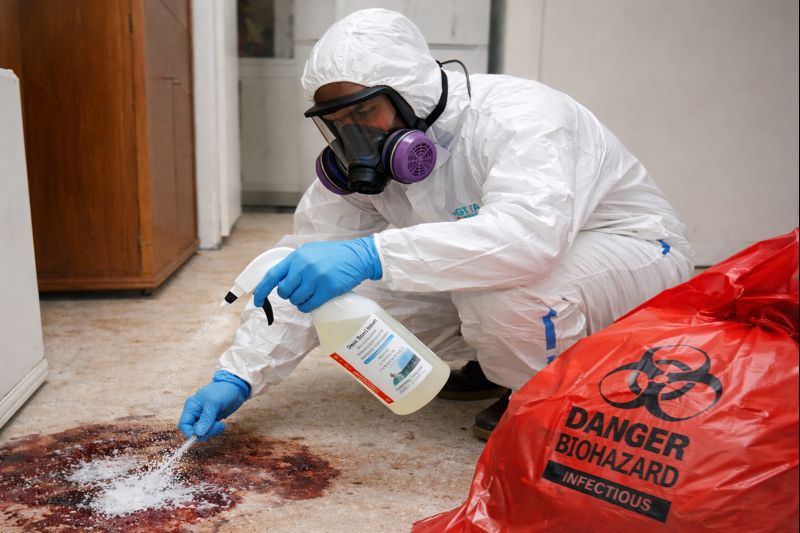
Mold removal isn’t just about cleaning the visible areas. It’s also about ensuring that the mold spores don’t spread to other parts of your home during the cleanup process. In most cases, GTARestoration.ca will use containment strategies, such as sealing off affected areas with plastic barriers and using HEPA air scrubbers to filter out airborne spores.
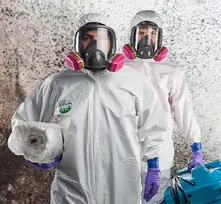
During the mold cleanup, personal protective equipment (PPE) will be worn by technicians to ensure their safety, especially when dealing with toxic black mold. Homeowners should stay out of the affected areas to avoid exposure.
4. Mold Damage Removal
The next critical step in the mold remediation process is mold damage removal. In severe cases, parts of the structure may need to be removed. This could include drywall, insulation, or flooring that has been too damaged by mold growth to be salvaged. Removing mold-infested materials ensures that mold spores don’t continue to spread throughout your home.
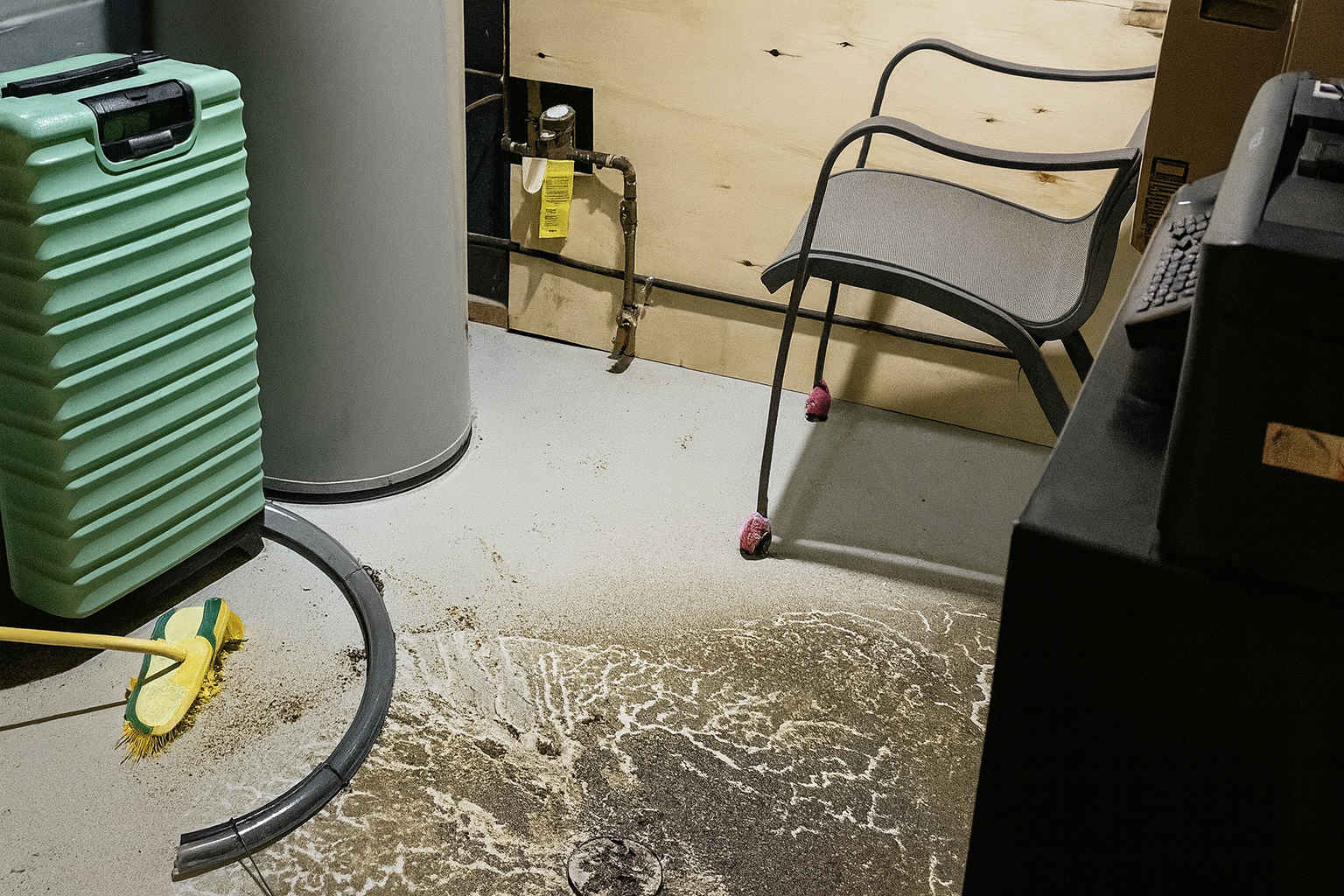
Once the damaged materials are removed, the area is thoroughly cleaned and sanitized. This process might include using antimicrobial treatments to prevent future mold growth and eliminate any remaining spores.
5. Moisture Control and Prevention
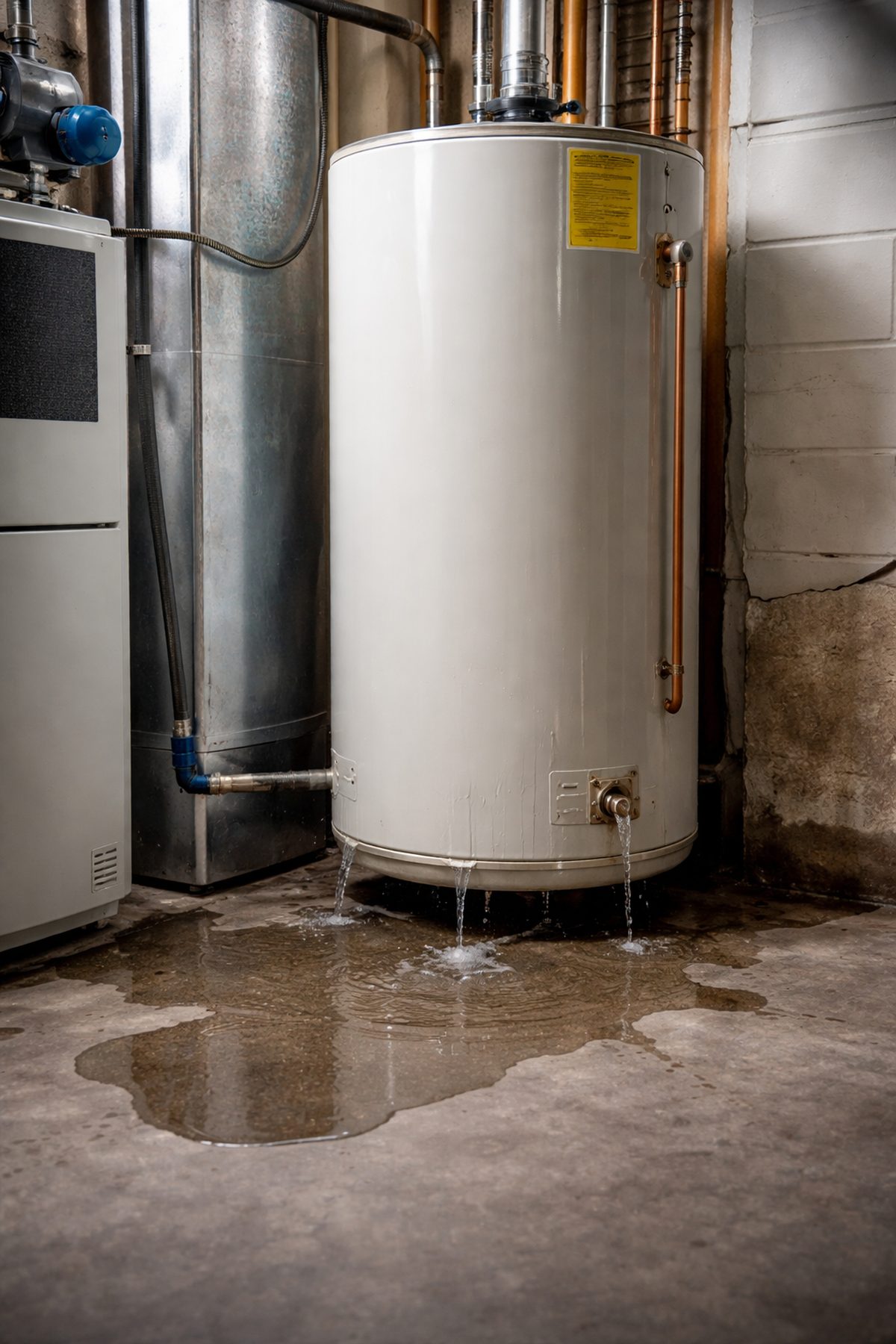
Mold doesn’t grow without moisture, which is why controlling the underlying moisture problem is vital for long-term mold prevention. After mold removal, it’s essential to address any leaks, poor ventilation, or water intrusion issues. GTARestoration.ca can help you identify these moisture sources and offer solutions such as repairing leaks, installing dehumidifiers, or improving airflow in affected areas.
Without taking steps to control moisture, mold is likely to return, even after a successful cleanup. Preventative measures are key to ensuring your home stays mold-free.
6. Final Inspection and Clearance Testing
Once mold removal is completed, a final inspection is carried out to ensure the mold has been effectively eradicated and that the affected areas are safe to re-enter. In some cases, clearance testing is also done to confirm that the mold levels are back to normal.
For peace of mind, you may opt for clearance testing to verify that no mold remains in your home. If you test again, the results should reflect a safe, mold-free environment.
7. Restoration and Repair
If parts of your home were removed during the mold damage removal phase, repairs and restoration are the final steps in the process. This could include replacing drywall, repainting surfaces, or reinstalling insulation. GTARestoration.ca provides full restoration services, ensuring that your home is not only safe from mold but also returned to its pre-damage condition.
Conclusion: Proactive Steps for a Mold-Free Home
Testing for mold is the first step toward ensuring your home is healthy and safe. Once mold is detected, immediate action is necessary to remove it and prevent further damage. If you’ve tested for mold and received the results, don’t hesitate to contact GTARestoration.ca. We offer expert mold removal, mold cleanup, black mold removal, and mold damage removal services to ensure that your home remains safe, clean, and mold-free.
Let us help you restore your home’s safety and comfort. Contact us today for more information or to schedule a consultation.