When it comes to protecting your home, your roof is one of the most important elements to safeguard. Not only does it shield you from the elements, but it also plays a crucial role in maintaining the integrity of your home’s structure. One of the most effective ways to protect your roof—and by extension, your home—is to waterproof it. Waterproofing your roof prevents leaks, moisture buildup, and the damage that comes with water infiltration. However, with so many roofing waterproofing methods available, it can be challenging to determine which is best for your roof.
Why Waterproof Your Roof?
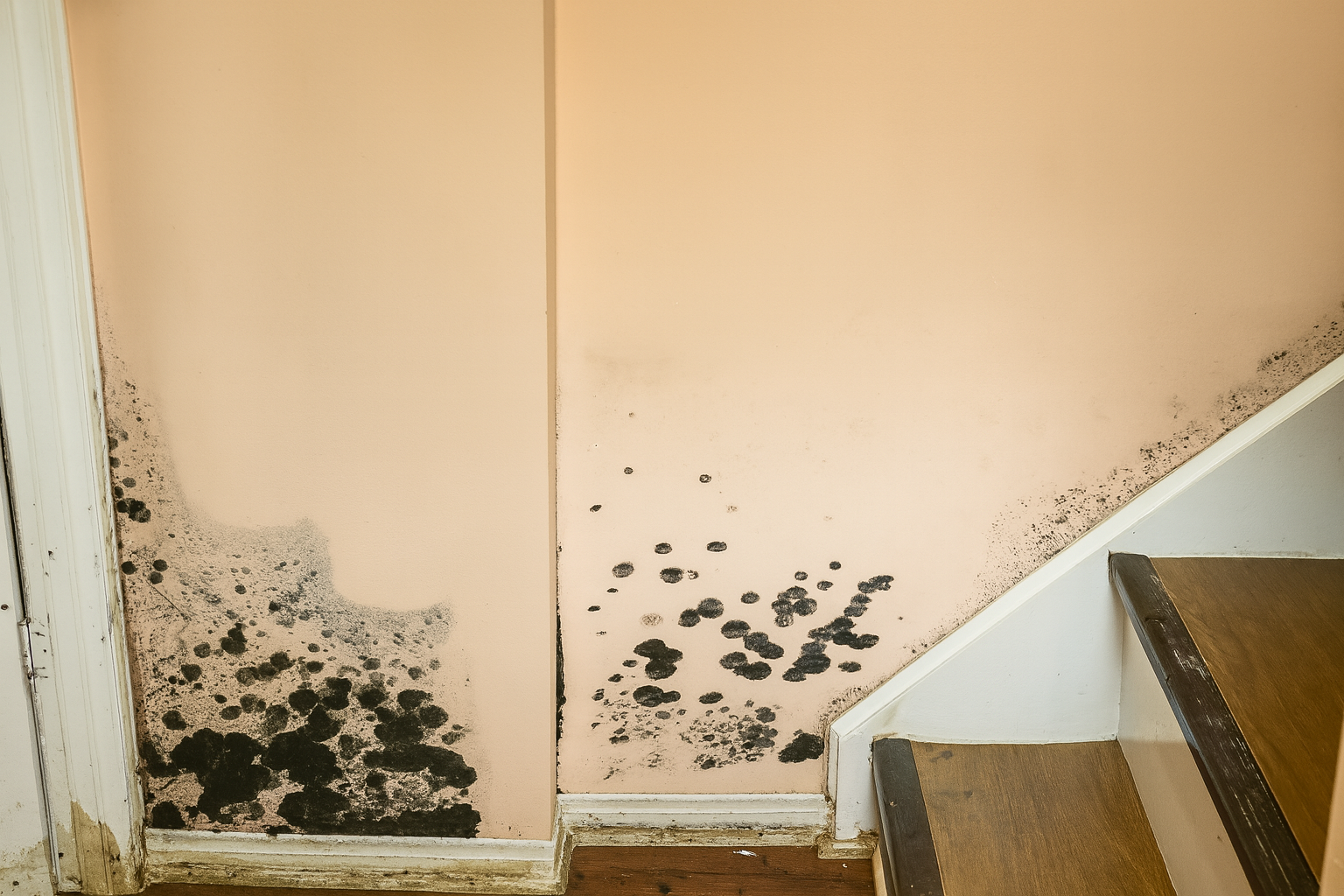
Before we dive into the different methods, let’s first understand why waterproofing your roof is so important. Over time, exposure to rain, snow, hail, and even intense sunlight can cause wear and tear on your roof. Without proper waterproofing, water can seep into the roofing materials, leading to leaks, mold growth, and even structural damage. Water infiltration is particularly problematic for:
- Attics: Water damage can cause wood to rot, insulation to degrade, and mold to develop, leading to costly repairs.
- Ceilings: Leaks can cause unsightly stains and weaken the structure of your ceiling.
- Interior Walls: Moisture can penetrate walls, damaging paint, drywall, and electrical systems.
- Roof Decking: Prolonged exposure to water can cause decking materials to warp or deteriorate.
Waterproofing your roof is an investment that can save you from major repair bills down the road. Now, let’s explore the different options available for waterproofing your roof.
Common Waterproofing Methods for Roofs
Choosing the best waterproofing method depends on a variety of factors, including the type of roof you have, your budget, and the local climate. Here are some of the most common roof waterproofing solutions:
1. Liquid Waterproofing Membranes
Liquid waterproofing membranes are one of the most versatile and popular options for flat and low-slope roofs.
- How it Works: Liquid membranes are typically applied using rollers, brushes, or spray equipment. Once applied, they form a waterproof barrier that is fully bonded to the roof. They are ideal for roofs with complex shapes or irregular surfaces, as they can be applied to hard-to-reach areas without seams.
- Advantages:
- Seamless, ensuring no points for water to infiltrate.
- Quick installation with minimal disruption.
- Best For: Flat roofs, commercial buildings, and residential properties with complex rooflines or parapets.
2. Bituminous Membranes (Torch-On Roofing)
Bituminous membranes, often referred to as torch-on roofing, are a popular choice for waterproofing roofs, especially in commercial buildings. These membranes are made of asphalt or bitumen and come in rolls, which are then heated and applied to the roof surface.
- How it Works: The membrane is unrolled onto the roof and heated with a torch to create a bond with the substrate. This method forms a waterproof barrier that resists both water penetration and UV damage.
- Advantages:
- Ideal for flat and low-slope roofs.
- Excellent resistance to extreme weather conditions.
- Best For: Commercial properties, flat roofs, and areas with severe weather conditions.
3. EPDM Roofing (Ethylene Propylene Diene Monomer)
EPDM roofing is a synthetic rubber membrane that is highly resistant to water, UV radiation, and ozone. This is one of the most reliable and long-lasting roofing materials available, making it a popular choice for both residential and commercial properties.
- How it Works: EPDM roofing comes in large sheets that are laid over the roof surface and sealed at the edges to create a waterproof barrier.
- Advantages:
- High resistance to extreme weather conditions.
- Best For: Flat roofs, commercial buildings, and eco-conscious homeowners looking for a long-lasting solution.
4. TPO Roofing (Thermoplastic Olefin)
TPO roofing is a type of single-ply membrane that is becoming popular due to its energy durability. It’s made of a combination of rubber and plastic and is available in rolls that are heat-welded at the seams to create a strong, waterproof surface.
- How it Works: TPO is installed by rolling out sheets of the membrane and then welding the seams together using heat. The result is a seamless surface that’s resistant to water, UV damage, and punctures.
- Advantages:
- Lightweight and easy to install.
- Resistant to algae and mold growth.
- Best For: Commercial properties, flat roofs, and energy-efficient buildings.
5. Roof Coatings
Roof coatings are an effective waterproofing solution for a variety of roofing materials. They are typically applied as a liquid and form a protective layer over the existing roof.
- How it Works: These coatings are rolled, brushed, or sprayed onto the roof surface to form a thick, waterproof membrane. Roof coatings can also improve the energy efficiency of your roof by reflecting sunlight and reducing heat absorption.
- Advantages:
- Easy to apply and relatively inexpensive.
- Effective for repairing small cracks and leaks.
- Provides UV protection and can extend the lifespan of an existing roof.
- Best For: Sloped and low-slope roofs, homes with existing roofing that needs an extra layer of protection.
Conclusion
Choosing the right waterproofing method for your roof is essential for maintaining its longevity and protecting your home from water damage. At GTARestoration.ca, we specialize in helping homeowners and businesses choose the best waterproofing solution tailored to their specific needs. Whether you’re dealing with a flat roof, complex rooflines, or extreme weather conditions, we offer expert guidance and high-quality solutions to keep your roof protected.