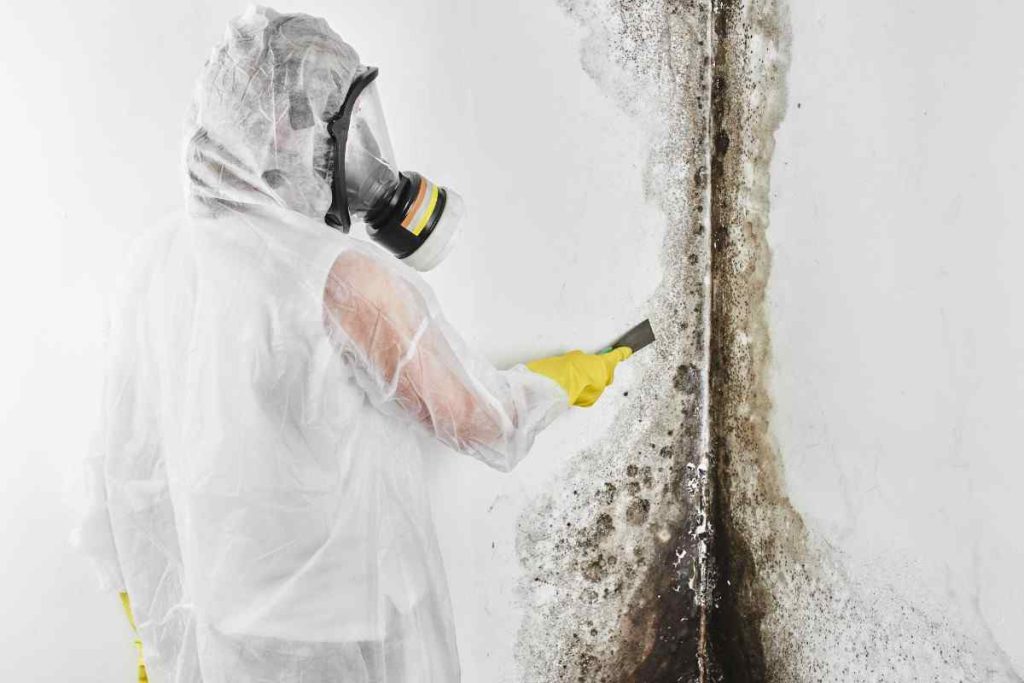
When it comes to maintaining a healthy home environment, checking for mold in your attic and basement is crucial. Mold can thrive in dark, damp spaces, posing health risks and potentially causing structural damage if left unchecked. In this guide, we’ll walk you through the steps to effectively inspect for mold in these areas, ensuring your home remains a safe and comfortable place to live.
Understanding the Risk
Before diving into the inspection process, it’s important to understand why mold inspection is necessary. Places like Richmond Hill, Newmarket, Etobicoke, and Milton, known for their varying climates and occasional humidity, create ideal conditions for mold growth. Areas like attics and basements are particularly susceptible due to their lack of ventilation and potential for moisture buildup.
Step-by-Step Inspection Guide
- Preparation:
- Gather Supplies: You’ll need a flashlight, gloves, mask, and protective eyewear.
- Safety First: Ensure the area is well-lit and ventilated before beginning.
- Attic Inspection:
- Check for Leaks: Inspect the roof for any signs of leaks or water damage.
- Look for Ventilation Issues: Poor ventilation can trap moisture, promoting mold growth.
- Examine Insulation: Mold can hide behind insulation; look for any discoloration or musty odors.
- Basement Inspection:
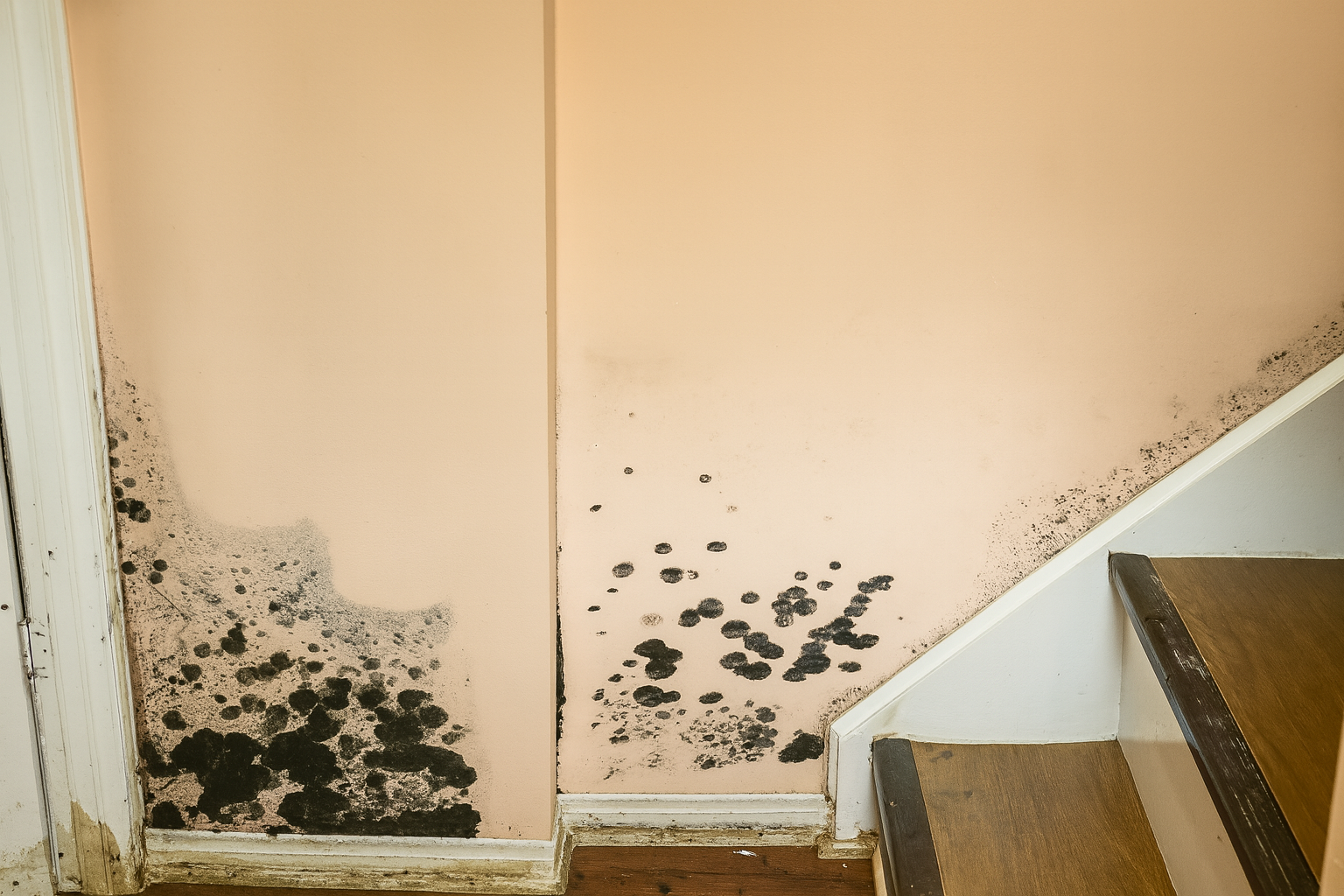
- Inspect Walls and Floors: Look for water stains, discoloration, or peeling paint.
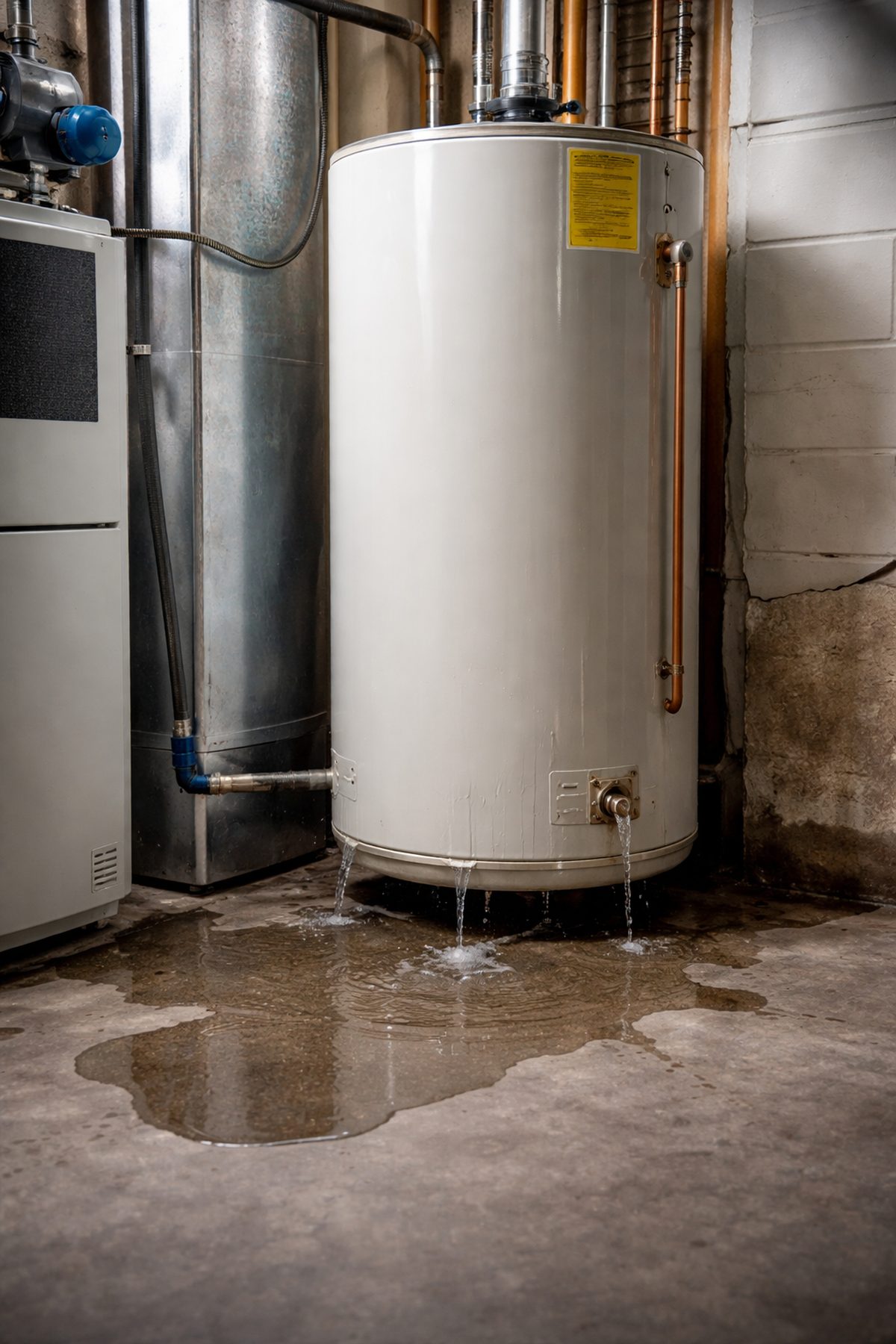
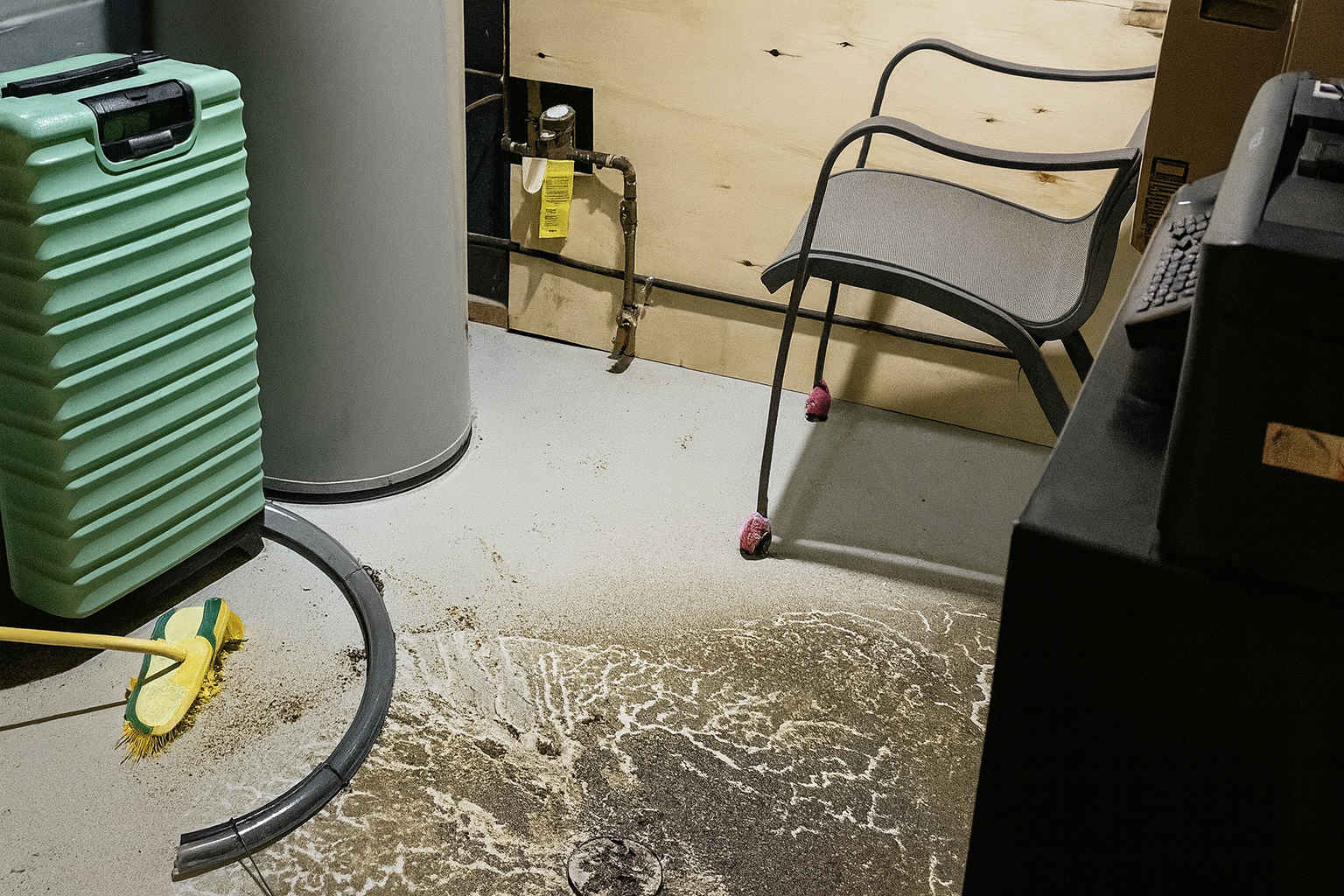
- Check Pipes and Drains: Leaking pipes or drains can create moist environments perfect for mold.
- Evaluate Ventilation: Ensure there’s adequate airflow to prevent stagnant air and moisture buildup.
Signs of Mold Infestation
Identifying mold early is crucial for effective remediation. Look out for these signs during your inspection:
- Visible Mold: Black or white patches on surfaces.
- Musty Odor: A strong, earthy smell often indicates mold presence.
- Water Damage: Stains or warping on walls, ceilings, or floors.
What to Do If You Find Mold
If you discover mold during your inspection, it’s essential to take action promptly:
- Document the Problem: Take photos and notes to document the extent of the mold.
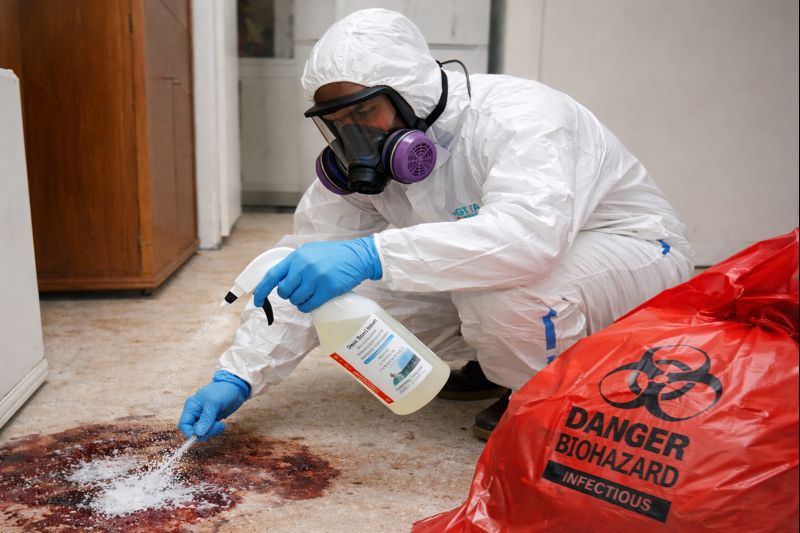
- Consult Professionals: Contact experts like Gtarestoration.ca for professional assessment and remediation.
- Address the Source: Fix leaks, improve ventilation, and reduce humidity levels to prevent mold from returning.
Prevention Tips
Preventing mold growth is easier than dealing with an infestation:
- Monitor Humidity Levels: Use a hygrometer to keep humidity below 60%.
- Ventilate Properly: Ensure attics and basements have adequate ventilation.
- Maintain Gutters and Downspouts: Keep them clear to prevent water from seeping into your home.
Regular inspection and maintenance of your attic and basement are crucial for preventing mold infestations. By following these steps and remaining vigilant, you can ensure a healthier home environment for you and your family. Remember, early detection and swift action are key to minimizing the impact of mold on your property.
Keep your home safe, healthy, and mold-free with these practical tips and insights. For more information and professional assistance, visit Gtarestoration.ca to learn how experts can help you protect your home from mold and maintain its value and comfort.
Inspecting for mold doesn’t have to be daunting. With the right approach and knowledge, you can effectively safeguard your home and enjoy peace of mind knowing you’ve taken proactive steps towards a mold-free environment.