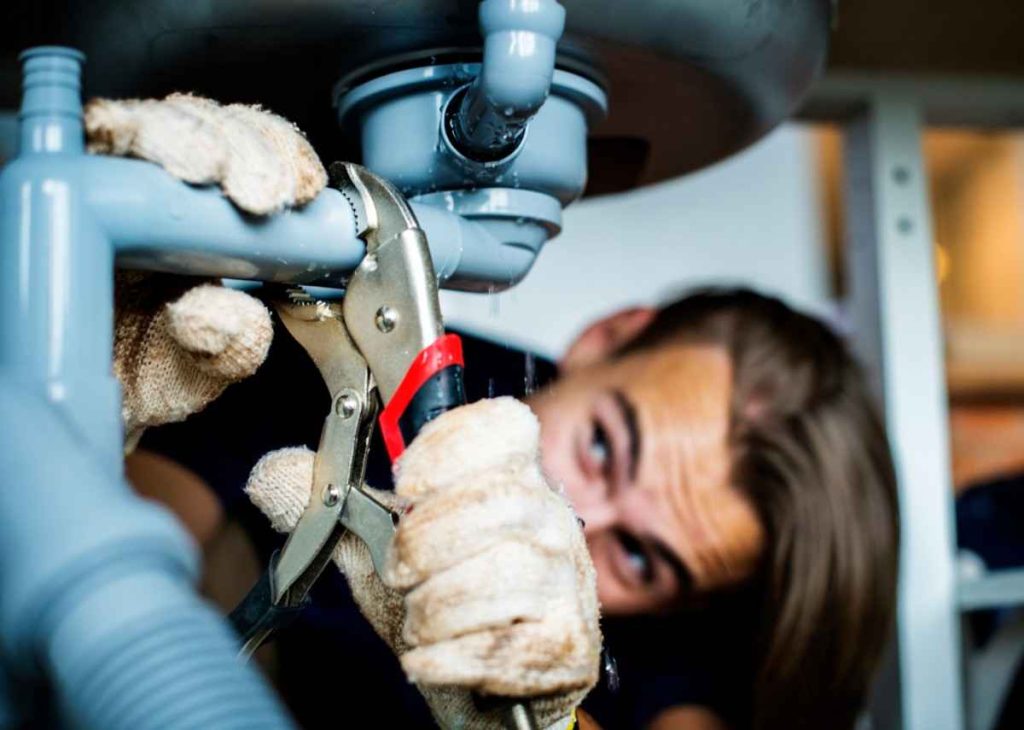
Dealing with frozen pipes is a common concern for homeowners, especially those in older homes where insulation and pipe conditions may not be optimal. When temperatures drop, older pipes are particularly vulnerable to freezing, which can lead to costly repairs and water damage if not addressed promptly. In this guide, we’ll explore essential tips on how to prevent frozen pipes in older homes and what to do if you encounter this issue.
How to Prevent Frozen Pipes
Prevention is key when it comes to avoiding the headache of frozen pipes in older homes. Here are effective strategies to keep your pipes from freezing:
- Insulate Pipes: Insulate exposed pipes in unheated areas such as basements, crawl spaces, and attics using pipe insulation sleeves or wrapping them with heat tape. Older homes may have less insulation, making this step crucial.
- Seal Cracks and Gaps: Seal any gaps or cracks in exterior walls, windows, and doors to prevent cold air from entering and affecting pipes.
- Keep Interior Doors Open: Maintain consistent heating throughout your home by keeping interior doors open. This helps warm air circulate and reach all areas, including where pipes are located.
- Let Faucets Drip: During freezing weather, allow faucets connected to vulnerable pipes to drip slightly. This continuous movement of water can prevent pipes from freezing.
- Use Heating Devices: Consider using heating cables or tapes on pipes prone to freezing. These devices provide direct heat and can be controlled by a thermostat to activate when temperatures drop.
- Maintain Heating: Avoid drastically lowering your thermostat at night or when away from home. Consistent heating helps maintain a safe temperature for your pipes.
What to Do If Your Pipes Are Frozen
Despite precautions, pipes can still freeze in older homes. If you suspect frozen pipes, take immediate action to prevent them from bursting:
- Identify Affected Pipes: Check all faucets in your home. If only one faucet is affected, the frozen pipe is likely nearby.
- Keep Faucets Open: Open the affected faucet to relieve pressure and allow water to flow once the pipe starts to thaw.
- Apply Heat Safely: Use a hair dryer, heat lamp, electric heating pad, or portable space heater to apply gentle heat to the frozen section of the pipe. Start from the faucet end and work your way toward the blockage.
- Use Hot Towels or Rags: Wrap hot towels or rags around the frozen pipe. Pouring hot water over the towels can also help thaw the ice inside the pipe.
- Avoid Open Flames: Never use open flames or direct contact heat sources like blowtorches, as they can damage the pipe or pose a fire hazard.
How to Know If Pipes Are Frozen
Recognizing the signs of frozen pipes early can help you take action before they cause extensive damage. Look out for these indicators:
- No Water Flow: If only a trickle or no water comes out of a faucet, it could indicate a frozen pipe.
- Frost on Pipes: Visible frost on exposed pipes is a clear sign of freezing.
- Strange Odors: A sewage-like smell from faucets or drains may indicate a blocked pipe due to freezing.
- Bulging or Swelling: Bulging or swelling in the pipe can occur as ice expands, potentially leading to burst pipes if not addressed promptly.
Prevent Frozen Pipes with GTARestoration.ca
At GTARestoration.ca, we understand the unique challenges of older homes and the importance of timely action when dealing with frozen pipes. Our experienced team is available 24/7 to provide expert advice and prompt assistance in emergencies. Whether you need tips on preventing frozen pipes or immediate cleanup and restoration services, we’re here to help.
By following these tips and knowing how to react if your pipes freeze, you can minimize the risk of damage to your older home and ensure your plumbing remains intact during winter. For more information on preventing frozen pipes or to inquire about our services, contact us at GTARestoration.ca today. Stay safe and protect your pipes with proactive measures!
Remember, taking preventive steps now can save you from the inconvenience and expense of dealing with frozen water pipes later. Invest in protecting your older home’s plumbing and enjoy peace of mind throughout the winter season.