Introduction
Sewage backups are not just unpleasant; they pose significant health risks and can lead to extensive property damage. When sewage infiltrates your home or business, it brings with it harmful bacteria, viruses, and fungi that can affect indoor air quality and cause serious health issues. In such situations, antimicrobial treatment is crucial for ensuring the safety and wellbeing of all occupants. Here’s why antimicrobial treatment is essential after a sewage backup and how it contributes to effective restoration.
Understanding Sewage Contamination
Sewage contains a wide array of pathogens that can be detrimental to human health. These include:
Bacteria: Such as coli and Salmonella are harmful bacteria that can lead to serious digestive disorders.
Viruses: Including Norovirus and Hepatitis A, which can lead to severe infections.
Fungi and Mold: These can proliferate in damp conditions, leading to respiratory issues and allergic reactions.
When sewage backs up, it can contaminate floors, walls, and other surfaces. If not addressed promptly and effectively, the situation can worsen, leading to long term health risks and extensive property damage.
The Role of AntiMicrobial Treatment
1. Eliminating Pathogens
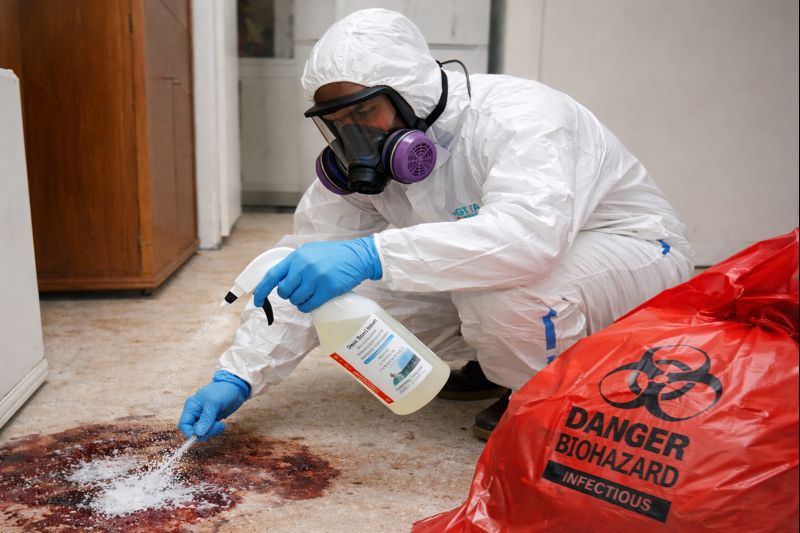
Antimicrobial treatments are specifically designed to kill or inhibit the growth of harmful microorganisms. After a sewage backup, restoration professionals use specialized antimicrobial agents to disinfect contaminated areas. These treatments are crucial in reducing the risk of disease transmission, ensuring that your property is safe for occupants.
2. Preventing Mold Growth
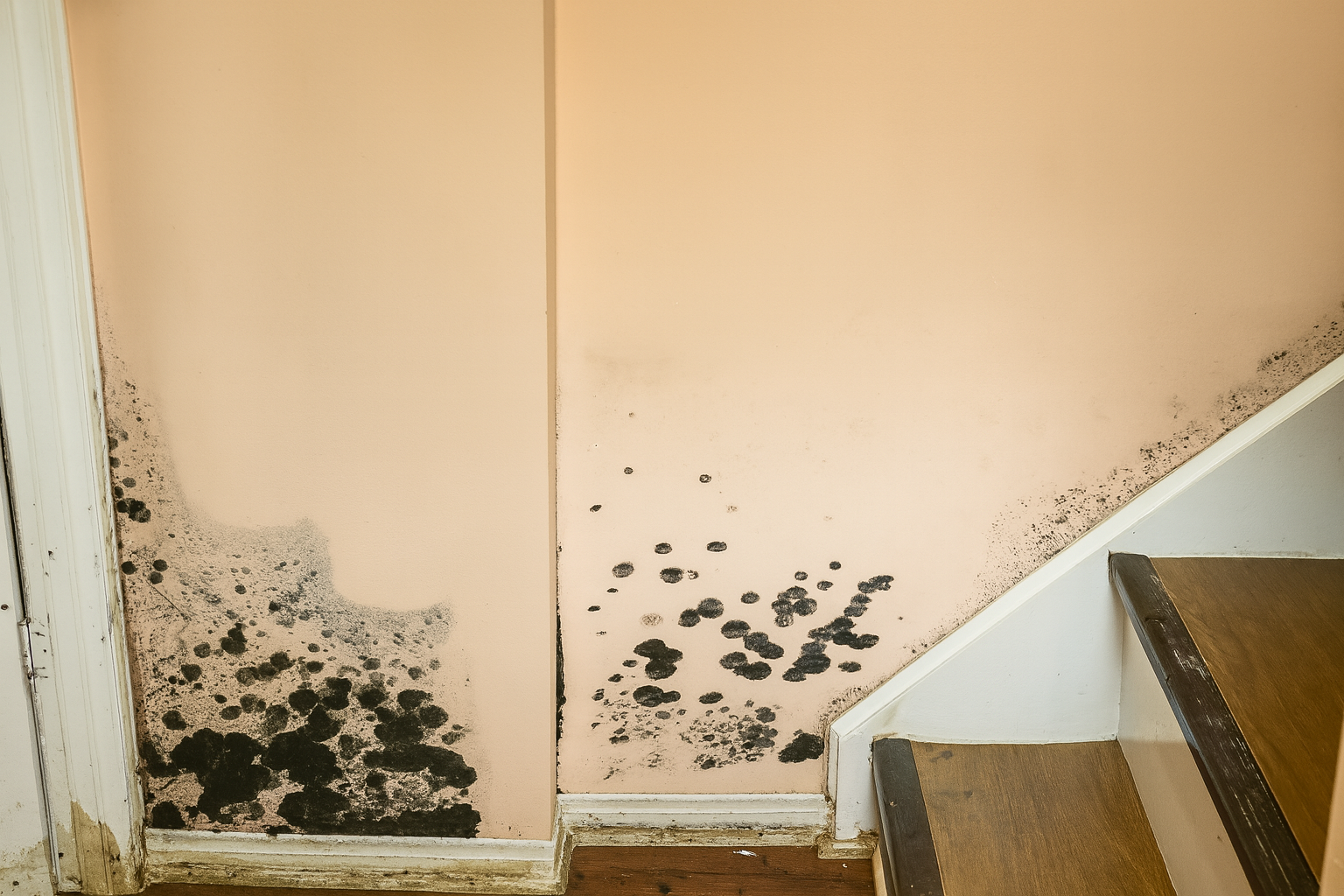
Sewage backups create a damp environment conducive to mold growth. Mold can start to grow within just one to two days of being exposed to moisture. Antimicrobial treatments help prevent mold spores from settling and proliferating, which can lead to more severe respiratory issues and property damage.
3. Restoring Indoor Air Quality
One of the significant concerns following a sewage backup is the impact on indoor air quality. Harmful microorganisms can linger in the air, leading to various health issues. Antimicrobial treatments help purify the air by eliminating airborne pathogens, ensuring that the indoor environment is healthy and safe to breathe.
4. LongTerm Protection
Many antimicrobial treatments provide residual protection, meaning they continue to work even after application. This long lasting effect helps maintain a clean environment and reduces the likelihood of future outbreaks of bacteria and mold.
The AntiMicrobial Treatment Process
1. Assessment and Inspection
Before any treatment begins, restoration professionals conduct a thorough assessment of the affected areas. This step includes identifying the extent of the sewage contamination and determining the best course of action.
2. Water Extraction and Drying
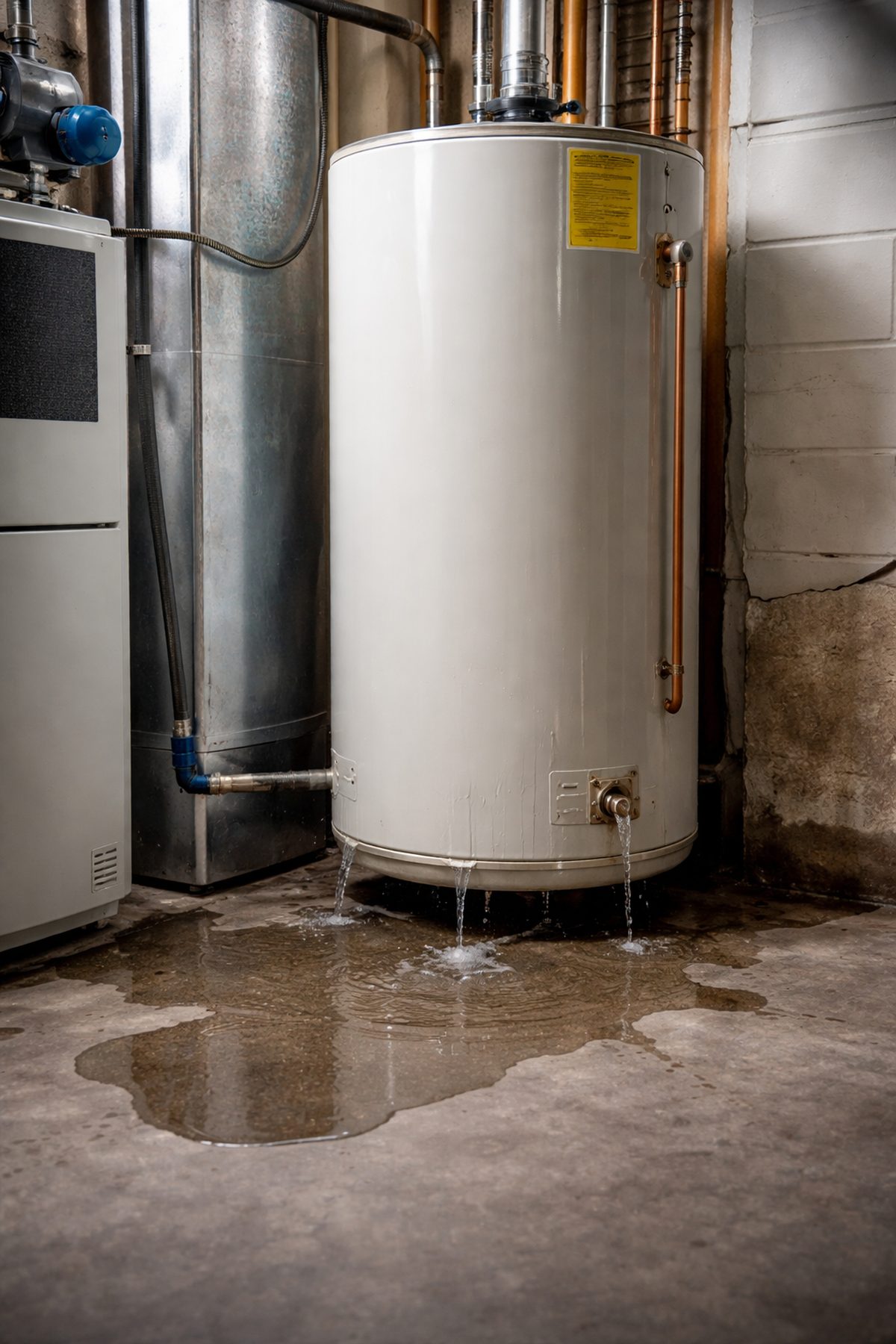
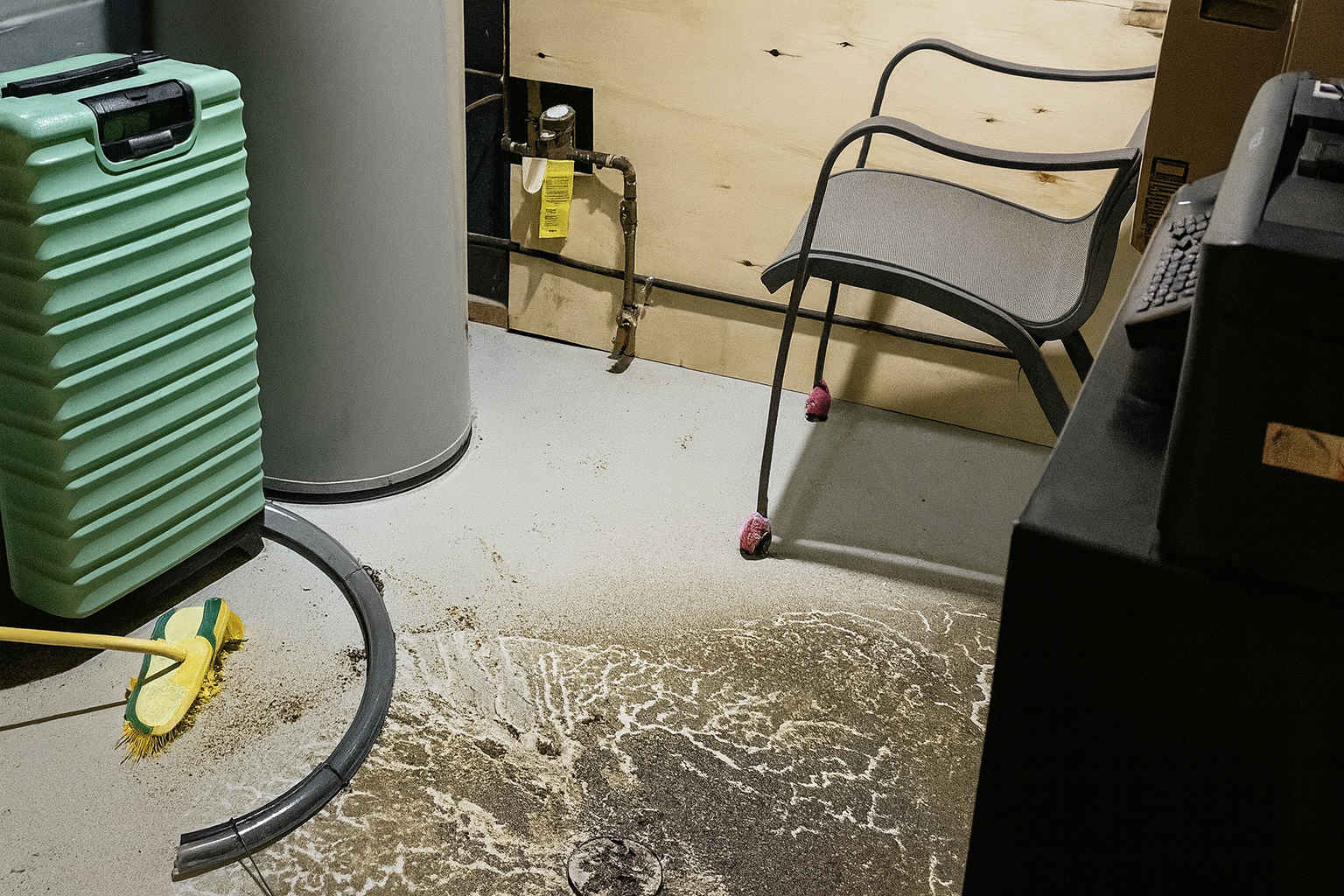
Effective restoration starts with removing standing water. Water extraction equipment is used to remove sewage laden water, followed by drying techniques to ensure that moisture levels are minimized.
3. Cleaning and Disinfecting
After the area is dried, professionals will clean and disinfect all surfaces. This includes walls, floors, and any materials that can be salvaged. Antimicrobial solutions are applied to ensure that all pathogens are eliminated.
4. Mold Remediation
If mold is detected, specialized procedures are followed to contain and remove it safely. This process often includes sealing off affected areas and using antimicrobial treatments to prevent further mold growth.
5. Final Inspection
After the treatment, a final inspection is performed to ensure that the area is safe and free from contaminants. Only when the restoration team is confident that the environment is safe will they consider the job complete.
Choosing the Right Restoration Company
Selecting a reputable restoration company is critical after experiencing a sewage backup. Look for companies with certified professionals, advanced equipment, and experience in handling sewage related issues. They should employ proper antimicrobial treatments and follow industry best practices for cleaning and restoration.
Conclusion
Dealing with a sewage backup can be overwhelming, but understanding the importance of antimicrobial treatment can provide peace of mind. It is essential to address sewage contamination promptly and effectively to protect your health and restore your property. By choosing a qualified restoration company, you ensure that your home or business will be returned to a safe and healthy state.