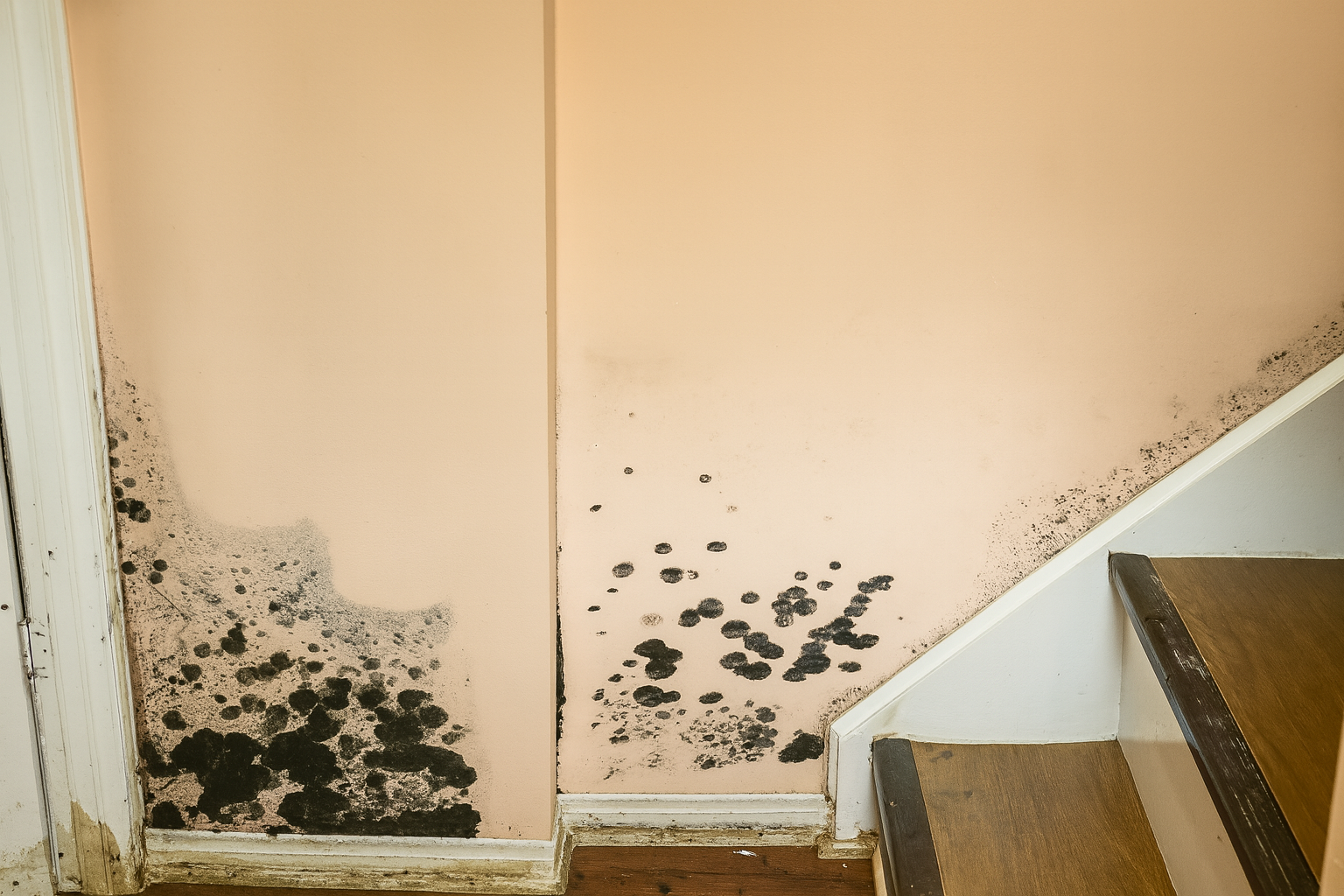
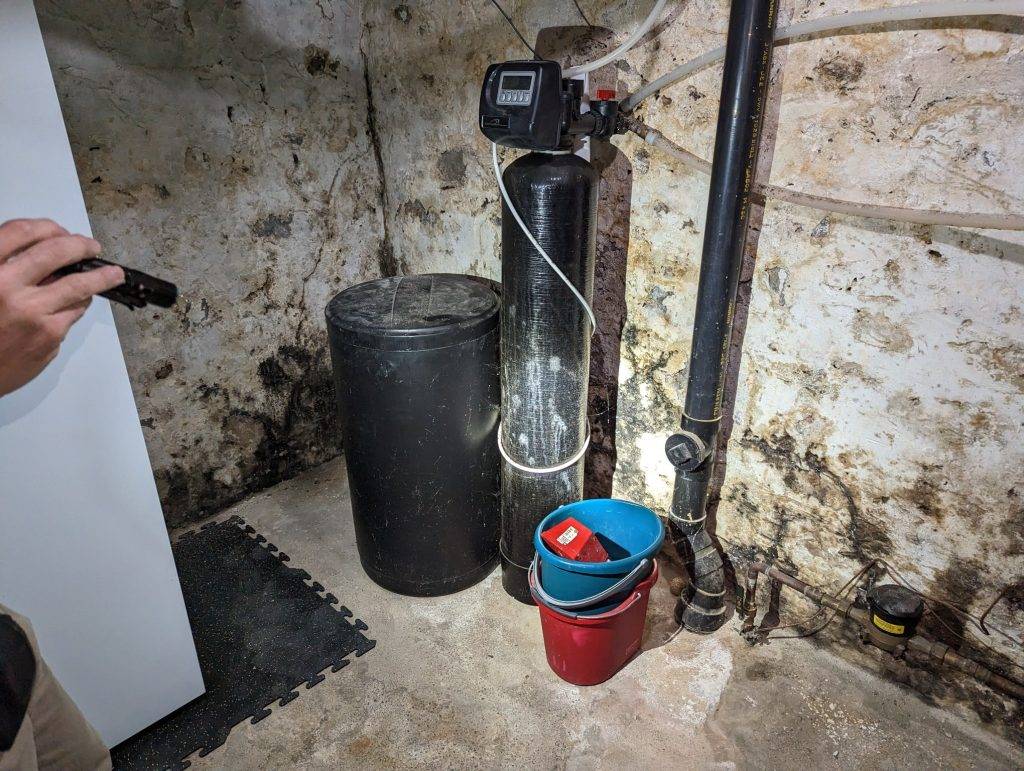
When it’s coupled with a sewer backup, it introduces an entirely new level of health and safety risks. Water from a sewer backup is contaminated, carrying harmful bacteria and pathogens that can spread rapidly. But the hidden danger doesn’t stop there—if not handled promptly and properly, this type of water damage can quickly lead to the growth of mold, creating serious long-term problems for your home and health.
At GTArestoration.ca, we understand the urgency of handling water damage and sewer backups properly. Mold can begin growing within 24 to 48 hours of water exposure, which is why it’s critical to act quickly. Here are key tips to help you prevent mold growth after a sewer backup or water damage incident, ensuring the safety of your home and family.
1. Act Fast: Call a Professional Restoration Service
The first and most important step in preventing mold growth after sewer backups or water damage is swift action. Mold thrives in moist, warm environments, and the longer the water sits, the more likely it is that mold will start to form. It’s essential to call a professional restoration service like GTArestoration.ca immediately to handle the situation.
Pro Tip: Don’t wait for mold to appear—calling professionals right away will minimize the chances of it developing. Specialized equipment, such as high-powered water extractors and dehumidifiers, are necessary to remove water quickly and efficiently.
2. Remove Standing Water Immediately
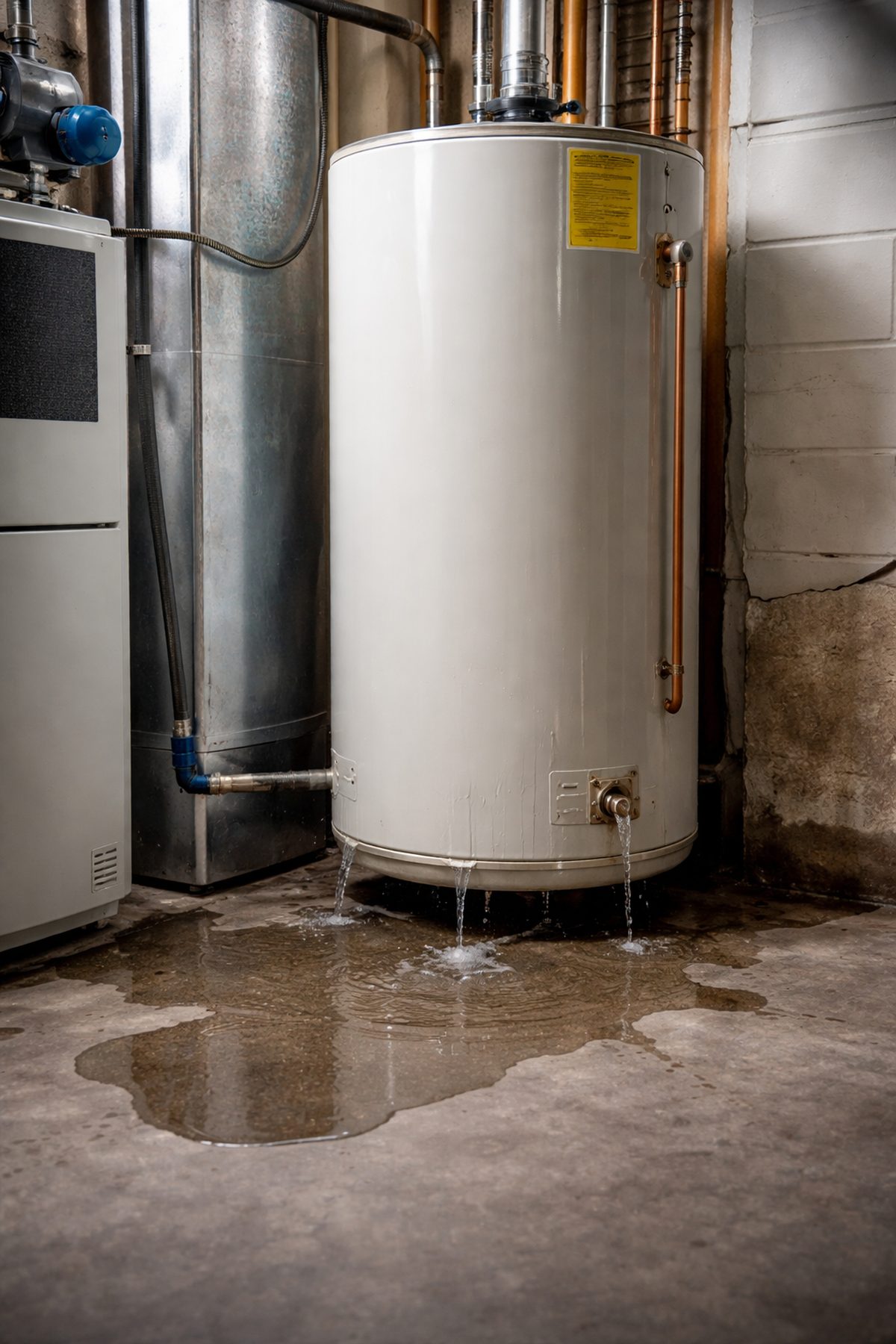
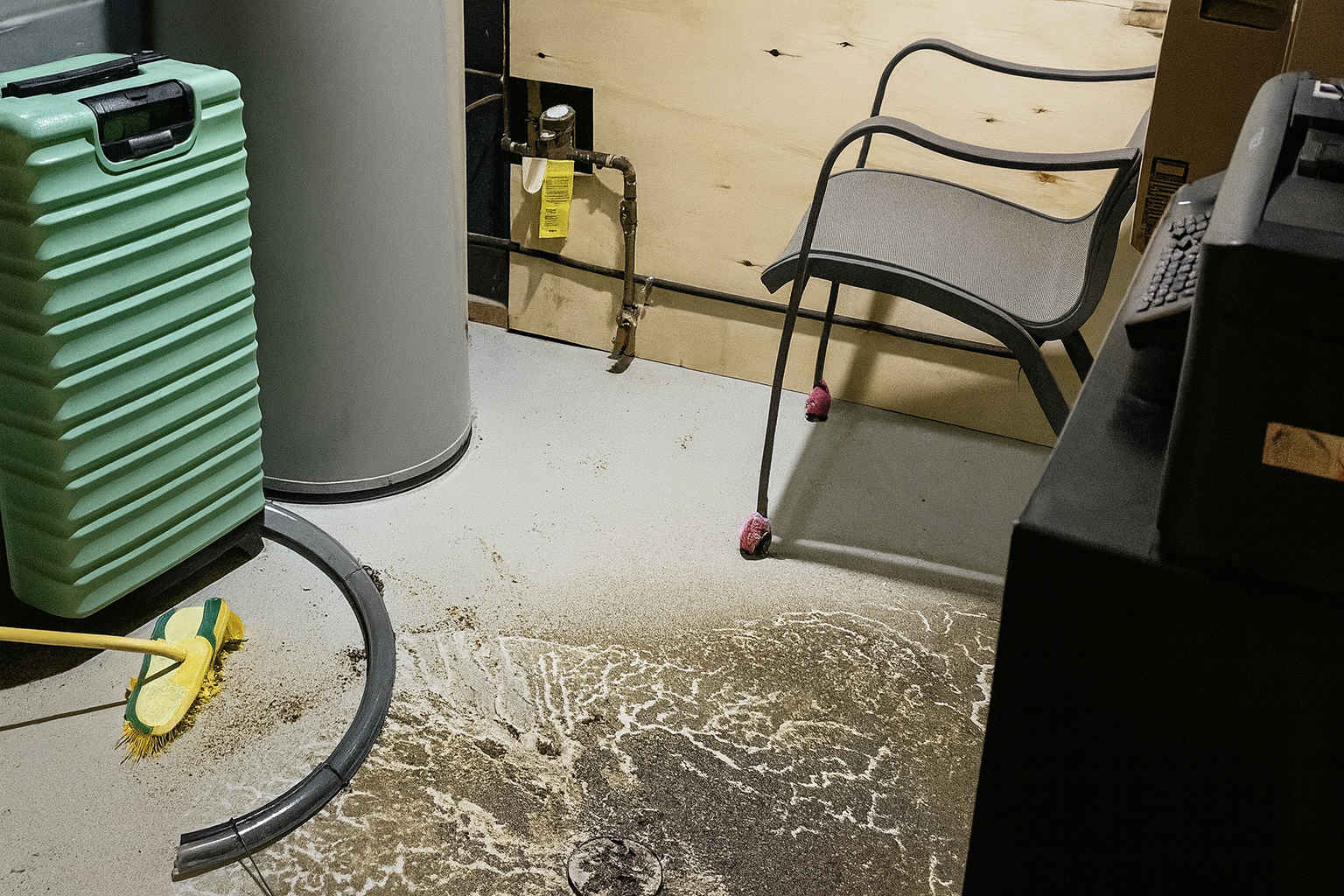
If you’re dealing with a sewer backup or significant water damage, removing standing water as quickly as possible is essential. Standing water provides the perfect environment for mold growth, especially in areas like carpets, wood floors, and walls.
Pro Tip: If you have a sump pump or wet/dry vacuum, use them to remove as much water as possible. If not, rely on professional restoration services that can extract the water rapidly and efficiently, ensuring the home is restored to its pre-damage condition.
3. Dry and Dehumidify the Affected Area
Even after the standing water has been removed, moisture can still linger in the air and within materials like drywall, insulation, and furniture. Mold can start to grow within 24 hours if moisture remains. To prevent this, it’s critical to dry the area thoroughly.
Pro Tip: Use industrial fans, dehumidifiers, and heaters to promote airflow and remove any remaining moisture from the affected areas. Open windows and use ventilation to speed up the drying process. In some cases, professionals may use specialized equipment such as air movers to help accelerate the drying time.
4. Dispose of Contaminated Materials
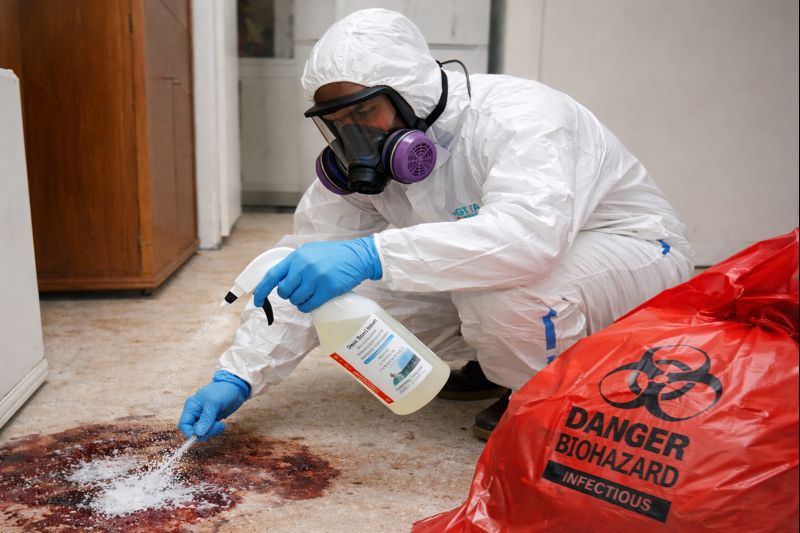
In the case of a sewer backup, it’s important to understand that the water is contaminated with harmful bacteria, viruses, and pathogens. Materials that have absorbed the contaminated water—like carpets, padding, drywall, and insulation—should be disposed of to avoid further health risks and mold growth.
Pro Tip: Work with a restoration team to safely remove contaminated materials. Attempting to clean and reuse items like carpets or drywall can spread bacteria and increase the chances of mold growth.
5. Clean and Disinfect Thoroughly
Once the standing water has been removed and contaminated materials have been disposed of, it’s time to clean and disinfect every surface that came into contact with the water. This step is crucial for eliminating bacteria and mold spores and preventing further contamination. Make sure to disinfect not just visible areas, but also hidden spaces like behind walls or under flooring where water might have seeped.
Pro Tip: Use EPA-approved disinfectants to ensure that surfaces are properly sanitized. Pay special attention to floors, walls, and baseboards where moisture may have soaked into the materials. In areas like the basement or crawl spaces, use mold-specific cleaners to prevent future growth.
Preventing mold growth after a sewer backup or water damage incident is essential to maintaining a healthy and safe home. Mold doesn’t just affect the aesthetics of your space; it can lead to serious health problems and costly repairs if left unchecked. By acting fast, cleaning thoroughly, and using proper drying techniques, you can minimize the risk of mold growth and restore your home to its safe and habitable condition.
At GTArestoration.ca, we are experts in water damage restoration and mold prevention. Our professional team is here to help you handle any water damage, sewer backup, or mold concerns you may face. Don’t wait for mold to take over—contact us today for prompt, professional service and ensure your home stays mold-free.