Mould in your home is more than just an unsightly nuisance—it can pose serious risks to your health and the structural integrity of your property. The scary part? Mold often grows unnoticed behind walls, under flooring, or inside your HVAC system until it becomes a major problem.
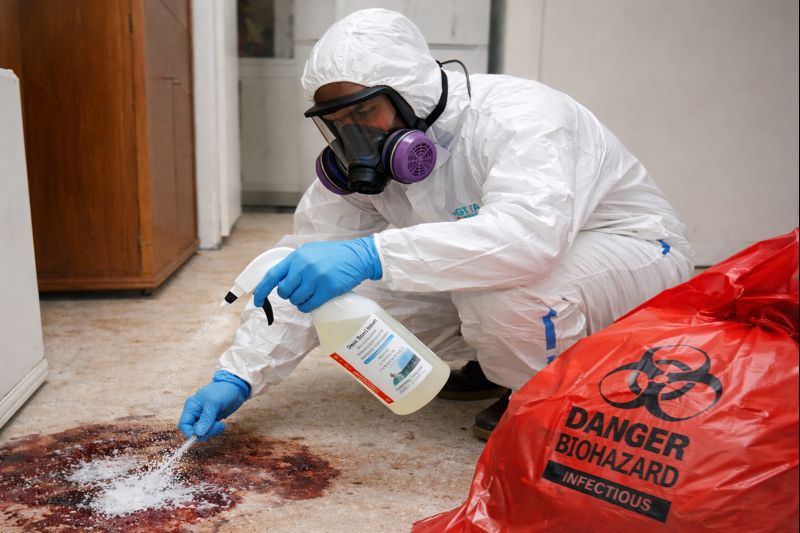
At GTA Restoration, we specialize in mold inspection, mold testing, and complete remediation. In this blog, we’ll walk you through the most common warning signs of mold growth, how to catch it early, and why mould air quality testing and toxic mold tests are essential for a healthy home.
Why Mold Is a Bigger Problem Than You Think
Mold thrives in dark, damp, and poorly ventilated spaces—think basements, bathrooms, crawlspaces, and attics. When left untreated, mold spores can spread through the air, contaminating other areas of the house and impacting your health.
Common health symptoms from mold exposure include:
- Persistent coughing or sneezing
- Itchy or watery eyes
- Skin irritation
- Headaches and fatigue
- Respiratory issues, especially in those with asthma or allergies
If you or your family are experiencing these symptoms at home but feel better when you’re away, it might be time for a mold detection in home evaluation.
1. Musty or Earthy Odor
One of the first signs of hidden mold is a persistent musty or damp smell, especially in basements, laundry rooms, or areas with previous water damage. Even if you can’t see any visible mold, your nose may pick it up first. A lingering odor is often a clue that it’s time to schedule a mould air quality testing appointment.
2. Visible Mold Spots
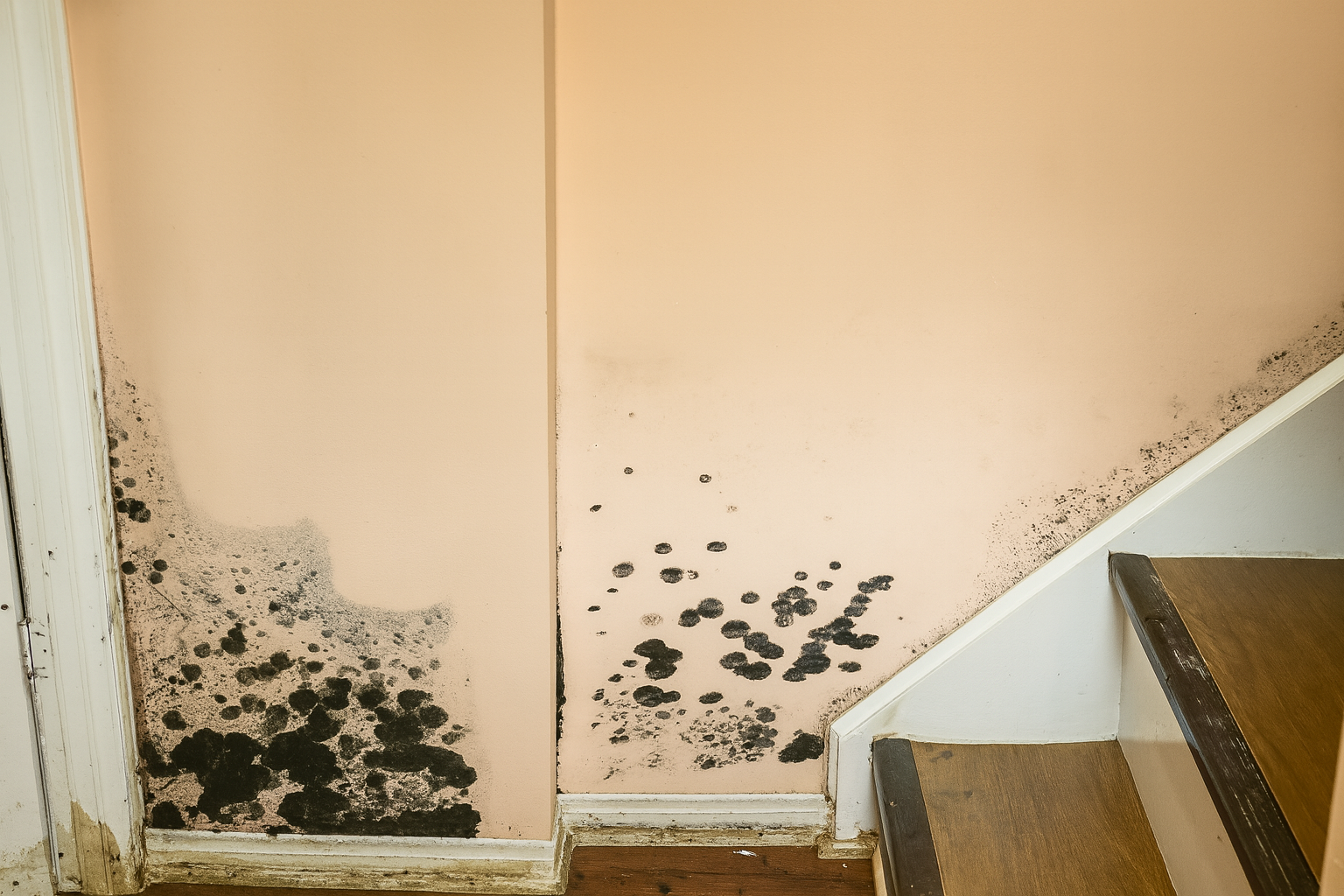
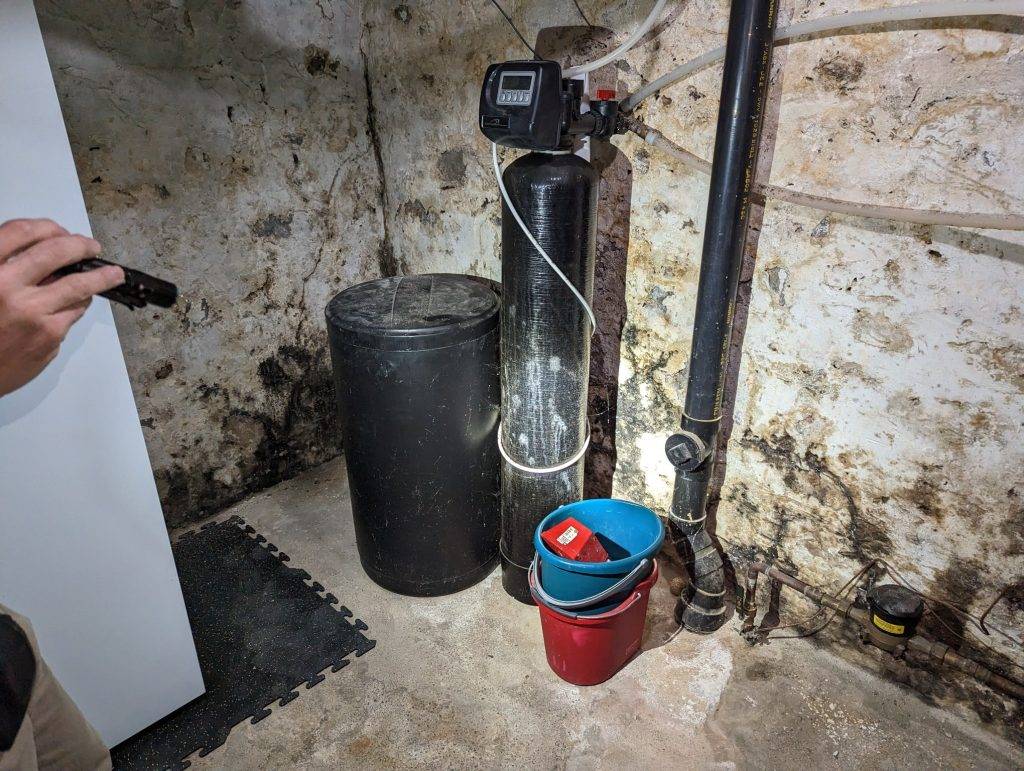
Black, green, white, or even orange patches on walls, ceilings, or tiles are a clear sign of mold. However, not all mold looks the same. It may appear powdery, slimy, or fuzzy depending on the species. If you spot these growths—especially in corners or grout lines—don’t ignore them. Contact a professional for testing for mould in house materials to assess how far it has spread.
3. Water Leaks and Moisture Problems
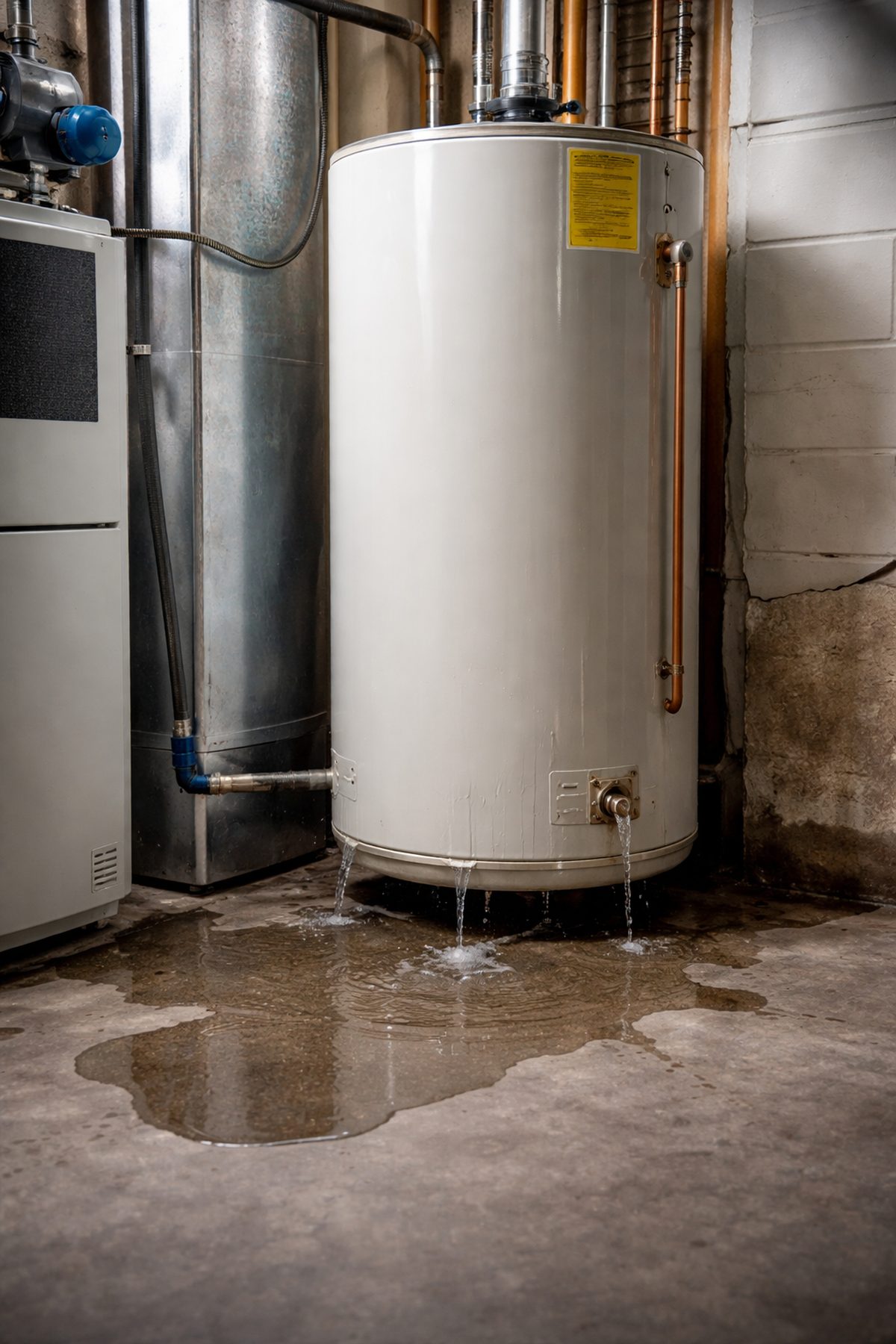
Have you experienced recent flooding, plumbing issues, or roof leaks? These situations create the perfect breeding ground for mold. Even a slow drip under your sink can turn into a mold colony behind the cabinets. If you’ve had water problems in the past, a mold inspection can help ensure you didn’t miss hidden growth.
4. Peeling Paint or Bubbling Walls
Mold often forms behind surfaces before it becomes visible. If you notice bubbling, cracking, or peeling paint, especially in high-humidity areas like bathrooms or kitchens, it could be a red flag. Moisture trapped behind the walls may be feeding a mold problem that’s growing out of sight.
5. Health Symptoms with No Clear Cause
As mentioned earlier, mold exposure can mimic seasonal allergies or even the flu. If your symptoms seem worse at home and improve when you’re outside or at work, this could point to indoor mold exposure. In this case, it’s wise to perform mold testing to identify the presence of airborne spores and contaminants.
6. Past Flooding or Sewer Backups
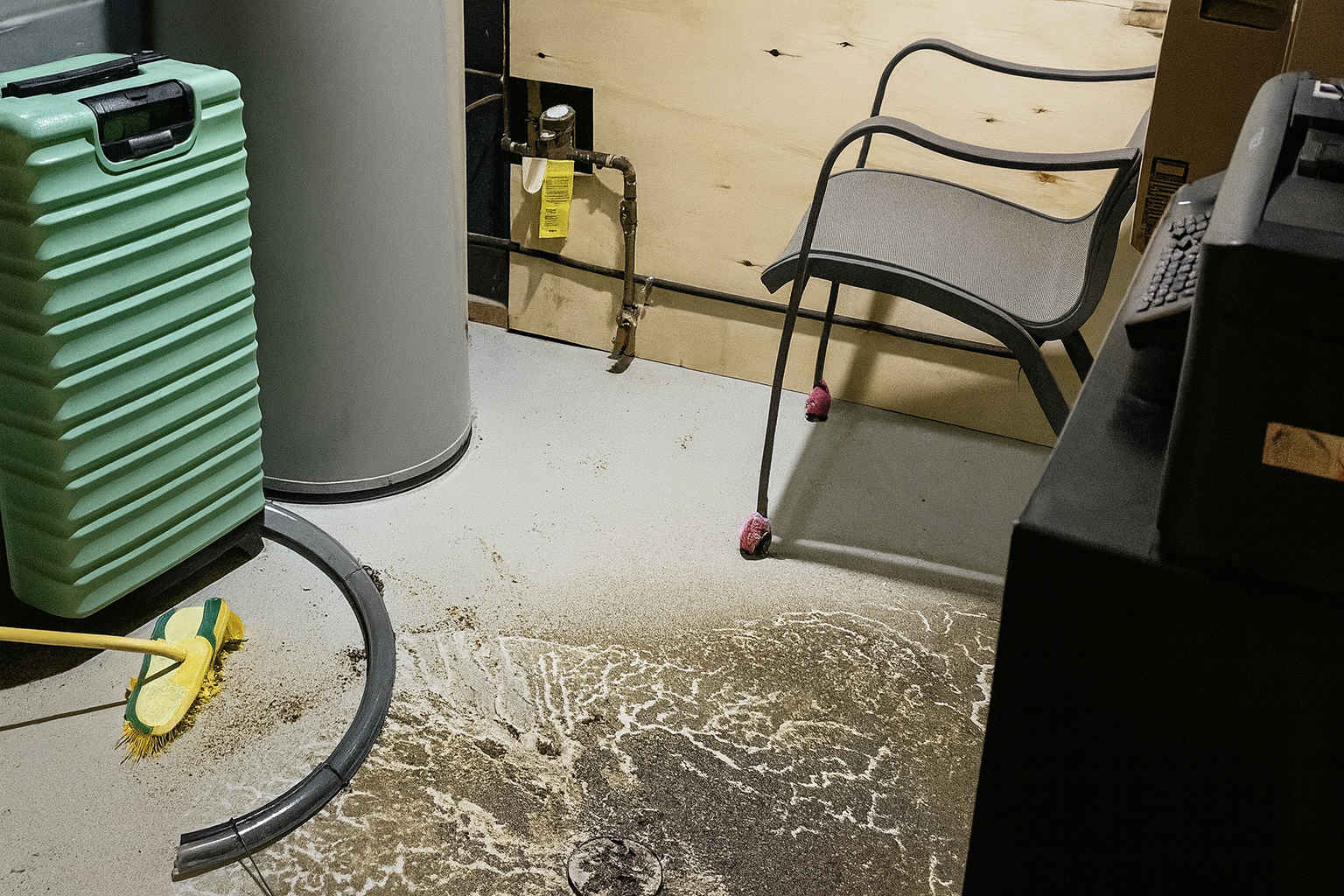
Any history of flooding or sewage backups—no matter how well the cleanup was handled—should be a red flag for future mold growth. Even small amounts of residual moisture trapped in insulation, subfloors, or drywall can allow spores to take hold. A thorough toxic mold test can detect harmful strains that may have developed over time.
7. Cold, Clammy Rooms or Poor Ventilation
Poor airflow and excessive humidity are ideal conditions for mold to flourish. If you notice condensation on windows, or your rooms feel damp and sticky even when the temperature is mild, your home may need better ventilation and a mold inspection to check for hidden problems.
Why Professional Mold Testing Is a Must
DIY mold kits from hardware stores may give a general idea, but they lack the accuracy and thoroughness of professional mold testing. At GTA Restoration, we use industry-leading equipment for:
- Air sampling to measure spore levels
- Surface testing for specific mold species
- Toxic mold test analysis for strains like Stachybotrys chartarum (black mold)
- Detailed reports and remediation plans based on results
With our testing for mould in house service, you get peace of mind knowing exactly what you’re dealing with—and how to fix it.
Prevention Tips to Avoid Mold in the Future
While some mold issues require professional intervention, you can reduce your risk with these tips:
- Use a dehumidifier in damp areas like basements
- Repair leaks promptly
- Improve ventilation with exhaust fans in kitchens and bathrooms
- Regularly clean and inspect HVAC systems
- Don’t ignore that musty smell—get it checked!
Final Thoughts: Don’t Ignore the Signs
Mold won’t go away on its own—it spreads, invades, and compromises both your home and your health. Whether you’ve seen spots on the wall, smelled something off, or just want peace of mind, don’t wait to act.
Let GTA Restoration help with expert mold detection in home services, from mould air quality testing to comprehensive toxic mold tests. Visit gtarestoration.ca today to book your inspection and start breathing easy again.