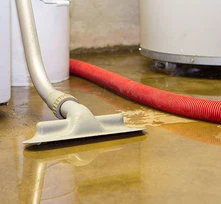
Basement flooding is one of the most common and most destructive issues that homeowners face. Whether it’s caused by heavy rainfall, melting snow, or a broken pipe, the damage to your home and belongings can be overwhelming. But here’s the good news: Many instances of basement flooding can be prevented with the right maintenance and preparedness. At GTA Restoration, we understand how important it is to protect your home from water damage, so we’ve compiled a list of key maintenance tips to help you prevent basement flooding in the future.
1. Inspect and Maintain Your Sump Pump
It works by pumping excess water away from your home, especially during heavy rainfall or snowmelt. To ensure it functions properly when you need it most, here’s what you should do:
- Test it regularly: Run the sump pump a few times during the year to make sure it activates and pumps water out effectively. You can do this by pouring a bucket of water into the sump pit to trigger the pump.
- Check the discharge pipe: Ensure that the pipe leading water away from your home is clear of debris, ice, or blockages. The water should flow freely and be directed away from your foundation.
- Consider a backup: Power outages during storms can disable your sump pump. Consider installing a battery-powered or water-powered backup pump to keep things running in case of an emergency.
2. Ensure Proper Drainage Around Your Home
If water accumulates around your home’s exterior, it can seep into your basement and cause flooding. Here’s how to keep things flowing smoothly:
- Clean your gutters and downspouts: Clogged gutters prevent rainwater from flowing properly and can cause it to overflow, pooling around your foundation. Ensure that downspouts are clear and extend at least 3 to 4 feet away from the foundation to direct water away from the house.
- Grade the landscape: The ground around your foundation should slope away from the house to prevent water from pooling at the base. If you notice areas where water collects, consider regrading the landscape to redirect the flow.
- Install exterior drains: In areas where water consistently collects near the foundation, consider installing French drains or other exterior drainage systems. These help divert water away from the house, reducing the risk of basement flooding.
3. Seal Foundation Cracks and Gaps
Even small cracks in your foundation can provide an entry point for water. Regularly inspect your foundation both inside and outside to look for signs of cracks or gaps. Here’s how to seal them:
- Inspect for cracks: Check the walls and floors of your basement for any visible cracks. Pay special attention to areas around windows, doors, and joints where different building materials meet.
- Use hydraulic cement or sealants: For minor cracks, use hydraulic cement or epoxy-based sealants to fill the gaps and prevent water from seeping through. For larger, more serious cracks, it’s best to call in a professional to assess and repair the foundation.
4. Check for Plumbing Leaks
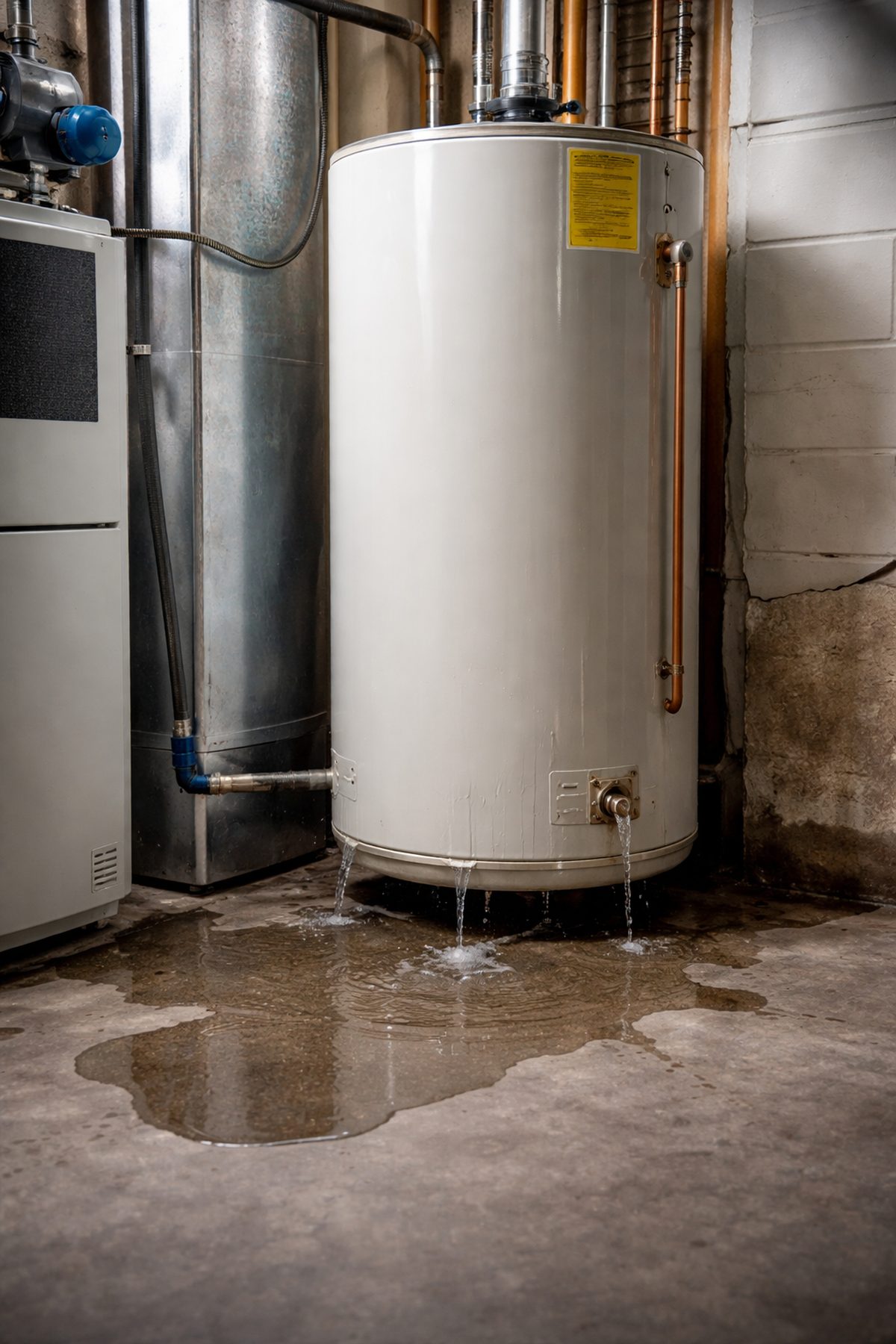
A burst or leaking pipe can quickly lead to significant flooding in your basement. Regularly inspecting your plumbing system for signs of damage is crucial. Here’s what to look for:
- Inspect pipes: Look for visible leaks or signs of water damage on walls, ceilings, and floors near plumbing fixtures. Pay close attention to the water meter and look for any changes that might indicate a hidden leak.
- Insulate exposed pipes: In colder months, uninsulated pipes are at risk of freezing and bursting. Insulating your pipes will help protect them from the elements and prevent water damage.
- Fix leaks promptly: If you spot a leak, don’t wait to fix it. Call a plumber to fix any plumbing issues before they turn into bigger problems.
5. Consider Waterproofing Solutions
If your basement has a history of flooding, it may be worth investing in professional waterproofing solutions. These can help keep water out of your basement, even in extreme conditions. Some options include:
- Exterior waterproofing: This involves applying a waterproof membrane to the exterior of your foundation to block water from penetrating your basement walls.
- Interior waterproofing: This includes installing drainage systems or applying waterproof sealants inside your basement to prevent moisture from entering.
- Vapor barriers: Consider installing vapor barriers on walls and floors to keep moisture from seeping into your basement.
6. Monitor and Maintain Basement Windows
Make sure they are in good condition and sealed properly to prevent leaks:
- Install window well covers: These prevent water from collecting in the window well and leaking into your basement. Make sure the cover fits securely and can withstand heavy rain or snow.
- Check the seals: Over time, the seals around basement windows can degrade. Check them regularly and replace any damaged or worn-out seals to keep water from entering.
Conclusion
By inspecting and maintaining key elements like your sump pump, drainage systems, foundation, and plumbing, you can significantly reduce the risk of flooding. Regular maintenance and prompt repairs are essential for keeping your basement dry and safe. At GTA Restoration, we understand the impact that water damage can have on your home and your life. If you’ve experienced basement flooding in the past, or if you need professional help with flood prevention, our expert team is here to assist. Don’t wait for the next storm—take action today to protect your home and keep your basement dry, no matter what the weather brings! For more information on basement flood prevention or to schedule a consultation, contact GTA Restoration today.