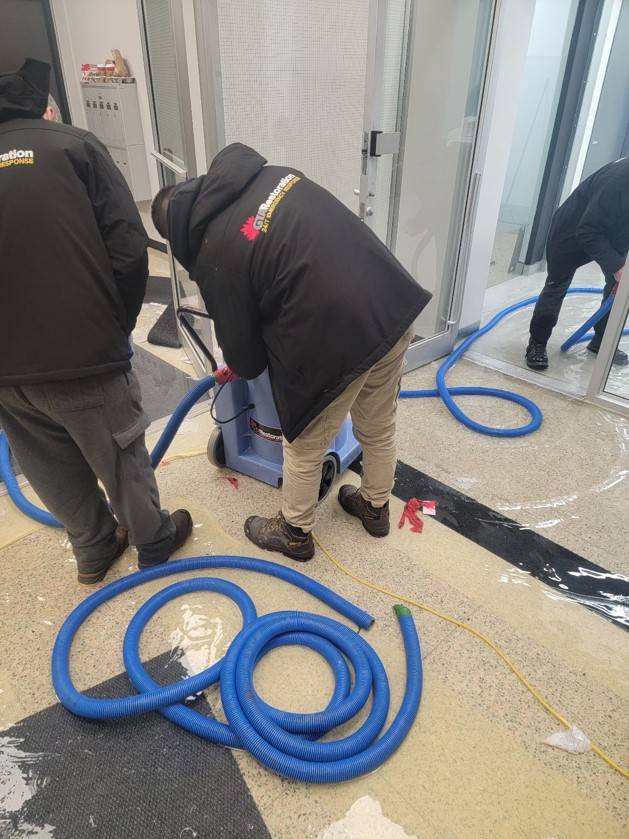
A sewage backup is one of the most unpleasant and potentially hazardous issues a homeowner can face. When wastewater backs up into your home, it doesn’t just create a mess—it can lead to serious health risks, property damage, and costly repairs. Sewage backups often occur without warning, but the good news is that there are preventive measures you can take to reduce the risk and protect your home and family.
At GTARestoration.ca, we understand how critical it is to safeguard your property from sewage-related issues. In this blog, we’ll walk you through five essential steps to prevent sewage backups, helping you maintain a healthy living environment and avoid the trauma and costs of a backup.
1. Inspect and Maintain Your Sewer Line Regularly
Tree roots, grease buildup, or debris can block the flow of wastewater, leading to a backup into your home. Regular inspections and maintenance of your sewer line are key to preventing blockages and ensuring everything is flowing smoothly.
- How to Do It: Schedule regular inspections with a professional plumber or sewage specialist to check the condition of your sewer line. Many companies offer camera inspections, which allow them to view the inside of your pipes and identify any potential issues, such as cracks, blockages, or root intrusions.
- Signs of a Problem: Slow drains, gurgling sounds from your drains, or bad odors from your plumbing fixtures are signs that there might be a clog or blockage in your sewer line.
- Tree Root Removal: If tree roots are infiltrating your sewer line, a professional plumber can use a rooter tool to remove the roots or apply root-killing chemicals. Regular monitoring can prevent these roots from causing future issues.
2. Install a Backflow Prevention Valve
A backflow prevention valve (also known as a backwater valve) is a simple yet effective device that prevents sewage from flowing back into your home. This valve allows wastewater to flow out of your home but automatically closes if the flow reverses, preventing contaminated water from entering your pipes.
- How it Works: The valve is installed in your sewer line, usually in your basement or crawlspace, where the main sewage line connects to your home’s plumbing system.
- Benefits: This device is an inexpensive and highly effective way to protect your home from sewage backups. It can save you significant money on cleanup costs and prevent property damage. Some cities and municipalities even offer incentives or rebates to homeowners who install backflow prevention valves.
3. Properly Dispose of Grease, Food Waste, and Other Debris
A major cause of sewage backups is improper disposal of items like grease, food scraps, and non-degradable products down the drain. Over time, these materials can build up in your plumbing system, leading to blockages in both the pipes inside your home and the main sewer line.
- Grease: Avoid pouring grease, oils, and fats down the drain. When grease cools, it solidifies, which can create thick blockages in pipes that are difficult to remove.
- Food Scraps: Install a sink strainer to catch food particles and dispose of them in the trash. Even if you have a garbage disposal, avoid putting fibrous foods (like celery or potato peels) or large amounts of food scraps down the drain, as these can clog pipes over time.
- Other Debris: Avoid flushing items like wipes (even if they say they’re “flushable”), paper towels, feminine hygiene products, or cotton balls, as these do not break down and can cause blockages in your sewer line.
- Routine Cleaning: Regularly clean your sink drains and shower drains with a natural cleaning solution like vinegar and baking soda to help break down grease and soap scum that can cause slow drainage.
4. Check and Maintain Your Sump Pump
Sump pumps are designed to direct water away from your foundation, but if they fail, you risk flooding and potential sewage backups, especially if the water contains waste.
- How to Maintain Your Sump Pump:
- Test it regularly: Pour a few gallons of water into the sump pit to make sure the pump activates and drains the water properly.
- Clean the pump: Over time, dirt and debris can clog the sump pump’s intake and discharge pipes. Make sure to clean the pump and its components to prevent clogs.
- Battery backup: Consider installing a battery-powered backup for your sump pump. This ensures that the pump will continue to operate during a power outage, which often happens during storms or flooding.
- Inspect the Discharge Line: Ensure that the discharge pipe from your sump pump is clear and directs water far away from your home’s foundation. If the pipe is clogged or the water isn’t flowing properly, the pump could fail when it’s needed most.
Conclusion
Preventing sewage backups involves a combination of regular maintenance,, and proper waste disposal practices. By following these five key steps—inspecting your sewer line, installing a backflow valve, properly disposing of waste, maintaining your sump pump, and keeping your gutters clean—you can significantly reduce the risk of a sewage backup. At GTARestoration.ca, we understand how important it is to prevent sewage damage. If you do experience a sewage backup, our team is ready to provide fast and effective cleanup and restoration services.