
Introduction
Aging sewage infrastructure can lead to billions in damage for cities, while a sewer backup at home can cost you thousands in repairs and even more in cleanup costs. The best way to avoid these financial hits is by preventing sewer backups before they happen. By following essential tips for maintaining your sewer or septic system, you can help ensure a clean, waste free living environment.
1. Types of Drain Lines in Your Home
Not all drain lines in your home are the same. Sanitary sewer lines, which carry waste from toilets, tubs, sinks, and laundry areas, all merge into a single sewer pipe beneath your home’s foundation. This pipe connects to the municipal sewer system in urban and suburban areas, while rural homes are typically connected to a septic tank.
There are also storm sewer lines that direct water away from your home to prevent foundation damage. These include sump pump discharge lines, window well drain lines, and gutter downspouts. In some areas, these storm sewers connect to your main sanitary sewer, while others may drain separately. Keeping both sanitary and storm sewer lines clear is key to avoiding backups.
2. Common Causes of Sewer Backups
Several factors can cause a sewer backup, but the most common include tree roots and aging sewer systems. Tree roots naturally seek out moisture and nutrients, often infiltrating sewer pipes through small cracks or joints. Over time, these roots expand, causing clogs and, eventually, pipe damage. Homes with older clay tile pipes are particularly susceptible to this problem.
As sewer systems age, the materials used in piping, such as “no corrode” tar paper and clay tiles, can deteriorate. These materials can blister, crack, or flatten over time, leading to restricted water flow and increased vulnerability to clogs. Water backups during heavy rainfall can also overwhelm the sewer system, causing water to back up into your home. This type of backup, caused by grease buildup, tree roots, or broken sewer lines, is not only a nuisance but also poses a significant health risk.
3. How to Prevent Future Sewer Backups
Preventing foreign materials from entering your sewer system is the most effective way to avoid backups. Here are a few practical tips to help:
Dispose of Grease Properly: Grease from cooking is the number one cause of kitchen sink backups. Always pour grease into a heat resistant container and dispose of it at an approved location. Never pour grease down the drain, as it will cool, solidify, and eventually block the pipes.
Dispose of Paper Products Correctly: Toilet paper is designed to disintegrate quickly and can be safely flushed. However, items like paper towels, feminine hygiene products, and baby wipes do not break down as easily and should be disposed of in the trash.
Avoid Draining Inappropriate Items: The only things that should enter your drains are wastewater, toilet paper, and human waste. Items such as toys, condoms, rice, dry dog food, and even clothing are common culprits of sewer clogs.
Install a Backwater Prevention Valve: This valve prevents sewage from flowing back into your home in the event of a backup. While it won’t stop clogs within your own sewer system, it can protect your home from backups caused by city sewer problems.
4. What to Do When You Have a Sewer Backup
If you experience a sewer backup, the first step is to call a plumber. A professional can inspect your sewer line, clear any blockages, and determine if further repairs are needed. Make sure the plumber uses a sewer camera to check the condition of your pipes so you can see the problem for yourself.
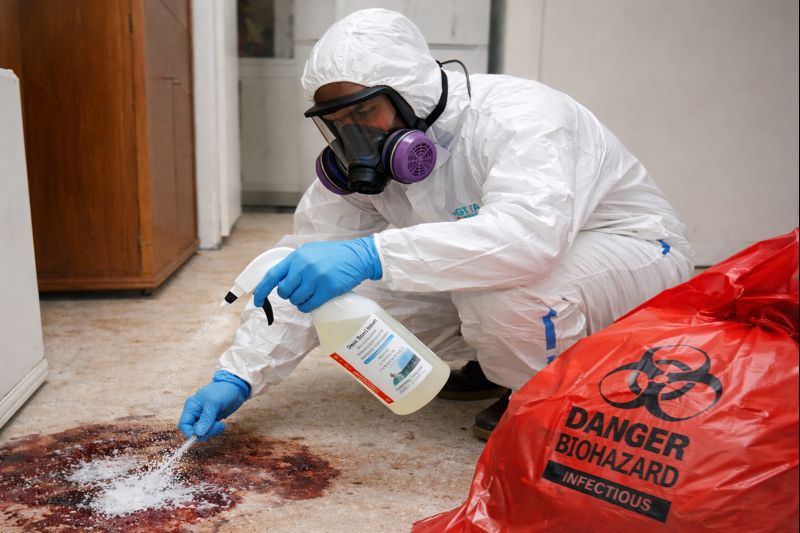
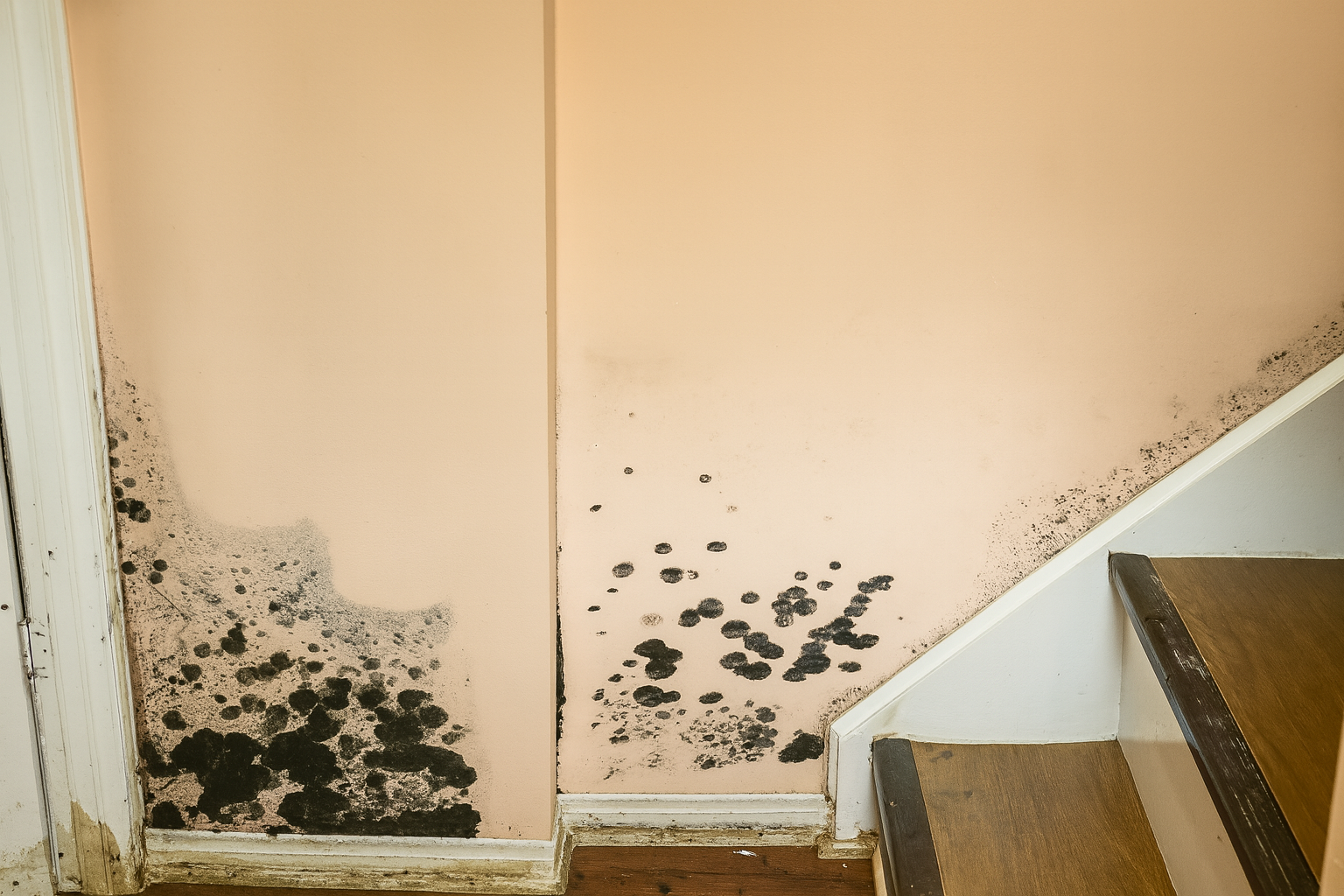
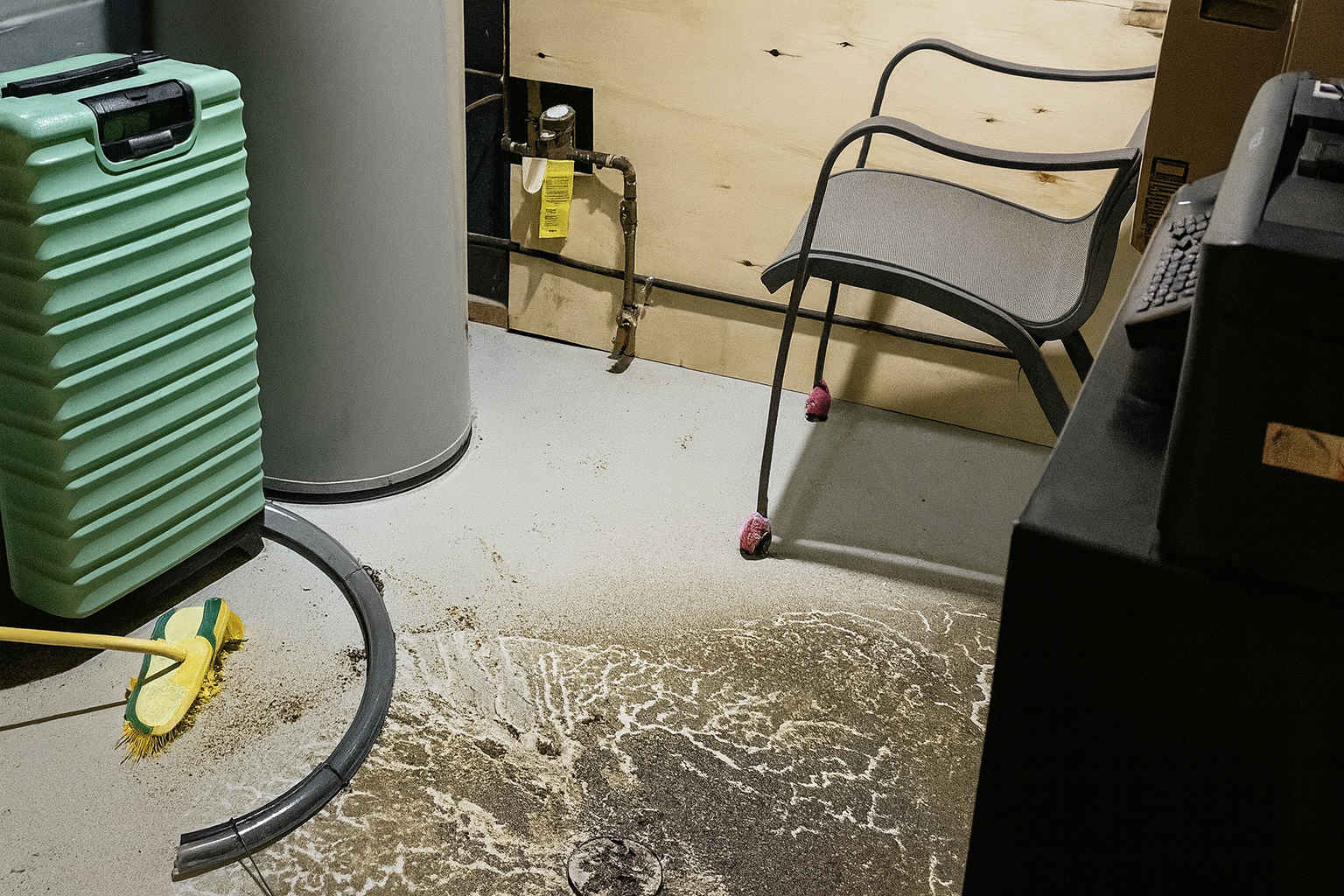
Once the backup is resolved, it’s crucial to clean up thoroughly to avoid health hazards like mold and extensive property damage. This includes vacuuming up standing water, disinfecting floors and walls, and drying out any moisture in your home’s studs and drywall. Hiring a professional restoration company is highly recommended for large cleanups.
5. Septic System Maintenance
If your home has a septic system, proper maintenance is vital to avoiding backups. Septic tanks work by filtering wastewater and using bacteria to break down solid waste. You should have your septic tank pumped every two to five years, depending on water usage and household size.Avoid flushing antibacterial products or harsh chemicals, as they can kill the bacteria that break down waste.Regularly check for encroaching tree roots and consider installing an alarm to alert you if your septic tank is at risk of overfilling.
6. Is a Sewer Backup Covered by Insurance?
Most standard homeowner policies do not cover sewage backups automatically. If you have a septic tank, make sure to notify your insurance company and consider adding coverage for sewer backups. This is typically a small yearly fee, but it can save you from massive repair costs in the event of a backup.
Conclusion
Sewer backups are not only costly but can also pose serious health risks if not addressed promptly. The best way to protect your home and wallet is through preventive maintenance. By properly disposing of grease and paper products, regularly inspecting your sewer system, and considering upgrades like backwater prevention valves, you can significantly reduce the risk of sewer backups. Maintaining a septic system, if applicable, is equally important. Regular maintenance, proactive measures, and the right insurance coverage can save you from the headaches of sewer backups in the future.