Introduction
Water damage is one of the most devastating risks facing property owners today. In condominiums, the issue can become even more complicated due to shared walls, interconnected plumbing systems, and the often limited control over building wide infrastructure. Whether it’s a burst pipe, a leaky roof, or sudden flooding from a natural disaster, condo residents need to be prepared for water related emergencies.But just how safe is your condo from flood and water damage? Understanding the vulnerabilities and taking the right steps can save you from costly repairs, damaged property, and health risks. Let’s dive into the common risks and how you can protect your condo.
Common Causes of Flood and Water Damage in Condos
1. Burst Pipes and Plumbing Failures
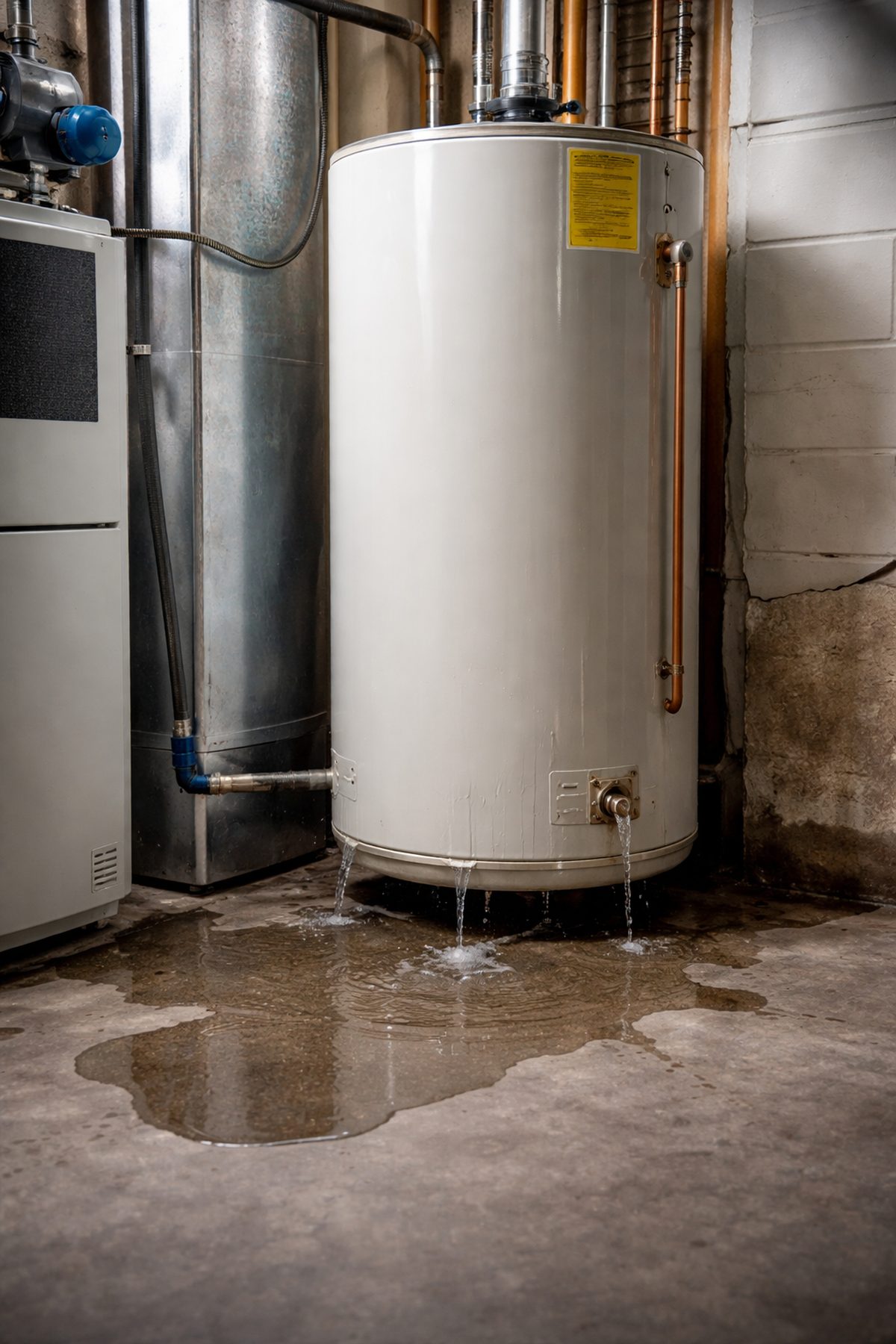
One of the most common sources of water damage in condos is faulty plumbing. Because condo units share plumbing systems, a burst pipe in one unit can easily lead to damage in another. Over time, pipes can corrode, freeze, or become blocked, leading to potential leaks or bursts.
Preventative maintenance is crucial. Regular inspections by building management or licensed plumbers can help identify and address plumbing issues before they escalate into full blown emergencies.
2. Leaky Roofs and Exterior Cracks
Roof leaks and cracks in the building’s exterior can allow water to seep into the structure, causing damage to both common areas and individual units. In highrise condos, water from higher floors can trickle down and cause problems for units below, even when the original issue occurs outside of your control.
Make sure your building management regularly inspects and maintains the roof and exterior walls to prevent leaks from becoming a widespread issue.
3. Natural Disasters and Severe Weather Events
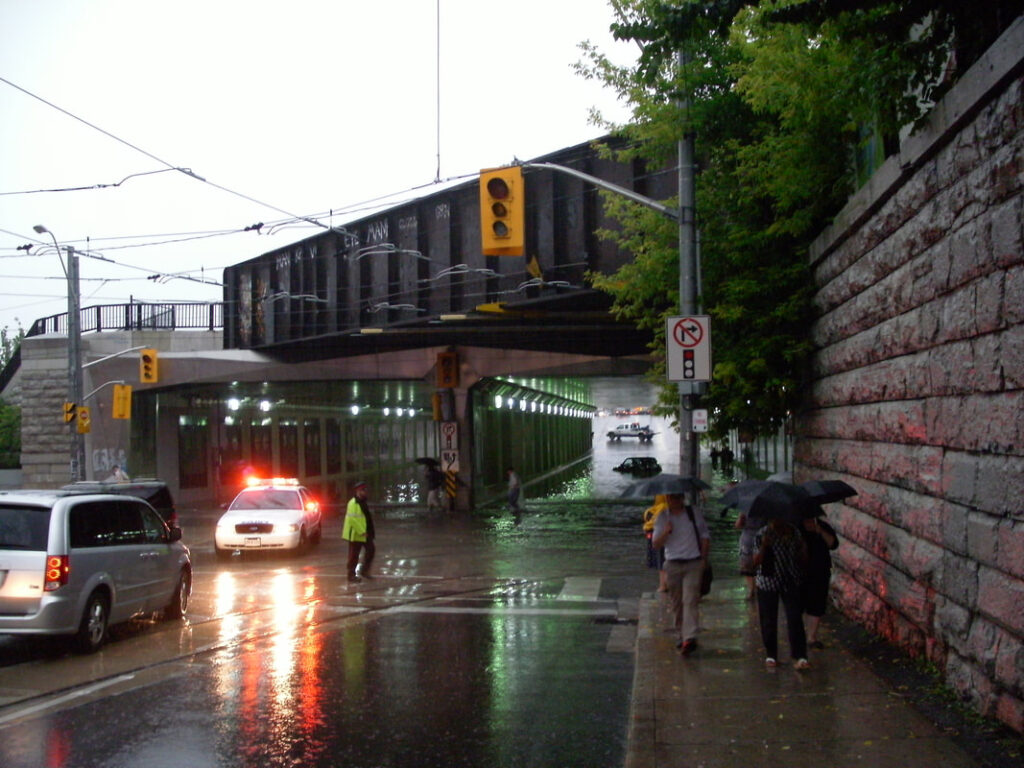
Floods caused by natural disasters like hurricanes, heavy rainfall, or rising sea levels are becoming more frequent and severe. Even if your condo is located outside of a traditional floodplain, extreme weather conditions could overwhelm local drainage systems, leading to unexpected flooding.
Review your building’s flood preparedness plan. Does your condo association have emergency protocols in place? Are flood barriers, sump pumps, or drainage systems installed to protect the property from severe weather events?
4. Blocked Drains and Sewer Backups
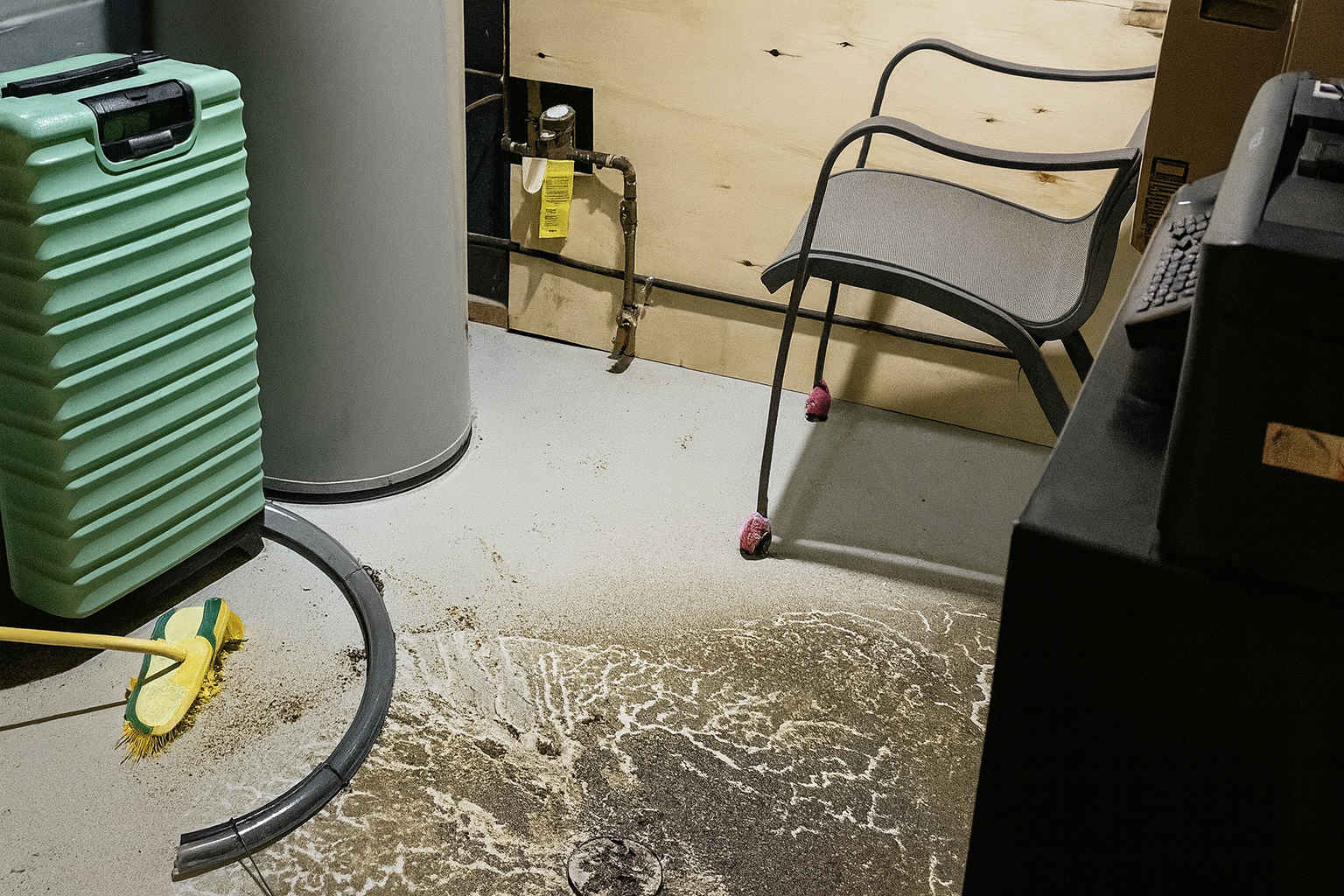
Condos are also vulnerable to sewage backups, particularly in older buildings where the sewer systems may not be properly maintained. Blocked drains and sewer backups can introduce contaminated water into the building, which poses significant health hazards.
To reduce the risk, avoid flushing nonbiodegradable items down the toilet, and ask your building management about routine sewer maintenance practices. If you experience frequent drainage issues, consider hiring a professional plumber to inspect your unit’s plumbing system.
How to Protect Your Condo from Flood and Water Damage
1. Get Adequate Insurance Coverage
Many condo owners assume their association’s insurance will cover all water related damages. However, building insurance typically only covers common areas and may not extend to your personal unit or belongings. Make sure you have an individual condo insurance policy that includes coverage for water damage, especially from floods, burst pipes, and sewer backups.
You may also want to consider purchasing additional flood insurance, particularly if your condo is in a flood prone area. Flood damage is often excluded from standard insurance policies.
2. Install Water Detection Devices
Water leak detectors can be installed near water heaters, washing machines, sinks, and toilets to alert you to potential leaks before they cause significant damage. Some advanced models even automatically shut off your water supply if a leak is detected, minimizing the risk of severe water damage.These devices are relatively affordable and can help catch small issues before they turn into larger, more expensive repairs.
3. Perform Regular Maintenance Checks
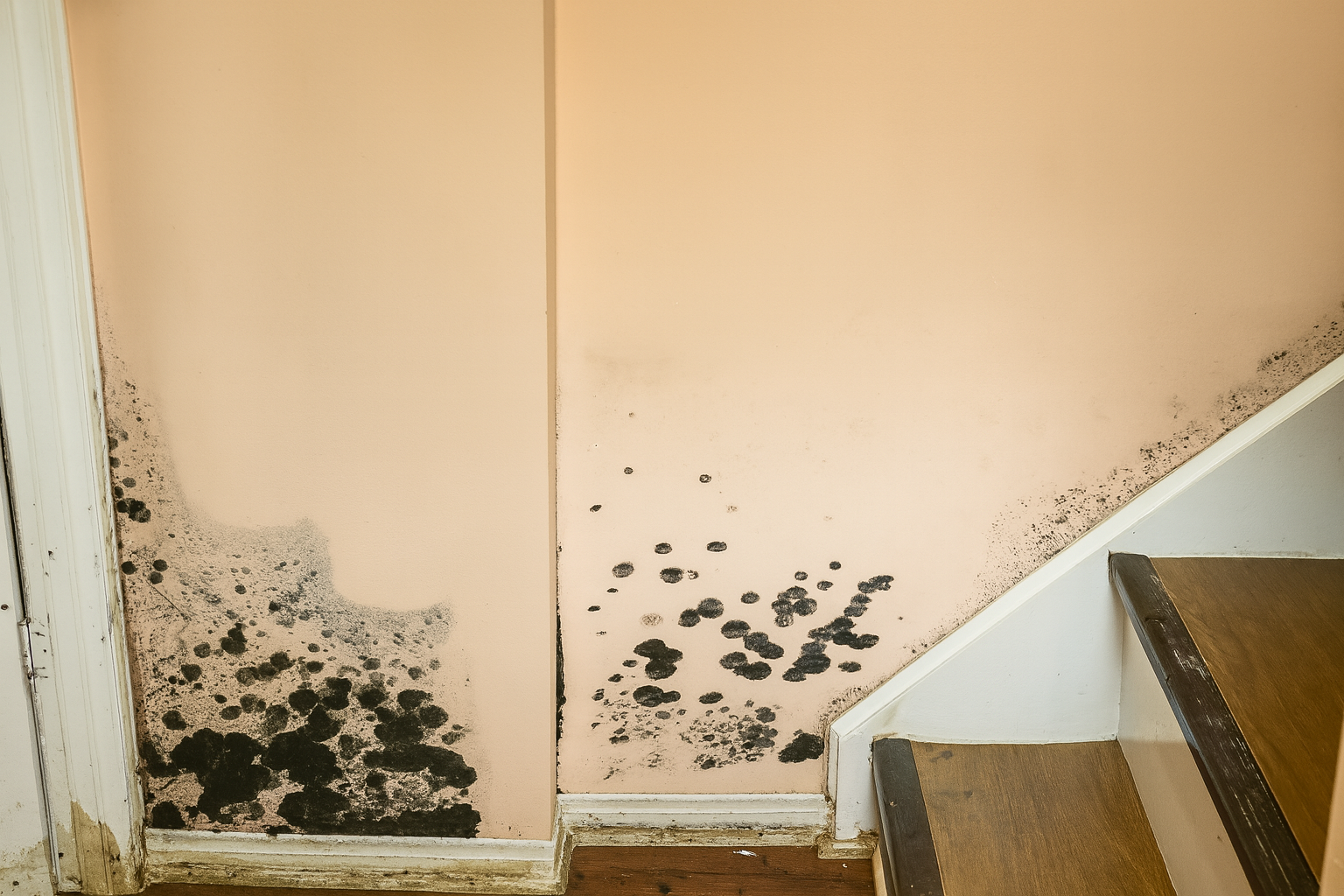
Regular maintenance of your condo’s plumbing, appliances, and HVAC systems is essential to preventing water damage. Replace old or damaged appliances, keep drains clear, and check for signs of water leaks such as discoloration, dampness, or a musty smell in your unit.
Even if you don’t notice any obvious signs of trouble, scheduling regular professional inspections can help catch hidden issues that could lead to flooding or water damage.
4. Elevate Valuable Items
If you live in a ground floor unit or an area prone to flooding, it’s a good idea to elevate valuable items and important documents. Place them in waterproof containers and store them in higher areas of your condo where water is less likely to reach them during a flood.
In severe cases, you may even consider investing in flood proofing measures for your individual unit, such as flood resistant doors or windows.
What to Do If Water Damage Occurs
Despite your best efforts, accidents and natural disasters can still happen. If you experience water damage in your condo, take immediate action:
- hut off the water source to prevent further flooding.
- Document the damage with photos or videos for insurance purposes.
- Contact your insurance company to file a claim.
- Call a professional restoration service to dry and repair the affected areas as quickly as possible to prevent mold growth.
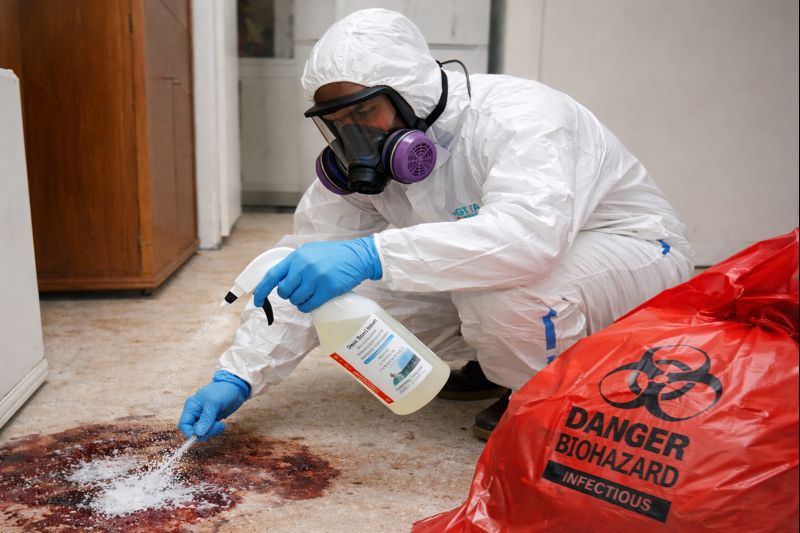
In cases of severe flooding, do not attempt to clean up the damage yourself, especially if the water is contaminated. Professional restoration companies have the tools and expertise to safely restore your condo to its original condition.
Conclusion
Flood and water damage can be a nightmare for condo owners, but by understanding the risks and taking proactive measures, you can significantly reduce the chances of disaster. From proper maintenance and installing leak detectors to securing the right insurance coverage, you can protect your condo and your belongings from water related emergencies. Stay prepared and stay safe!