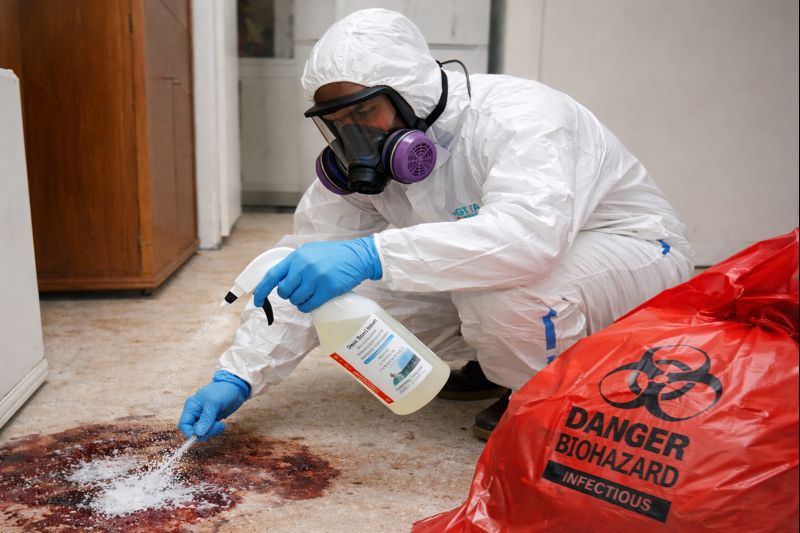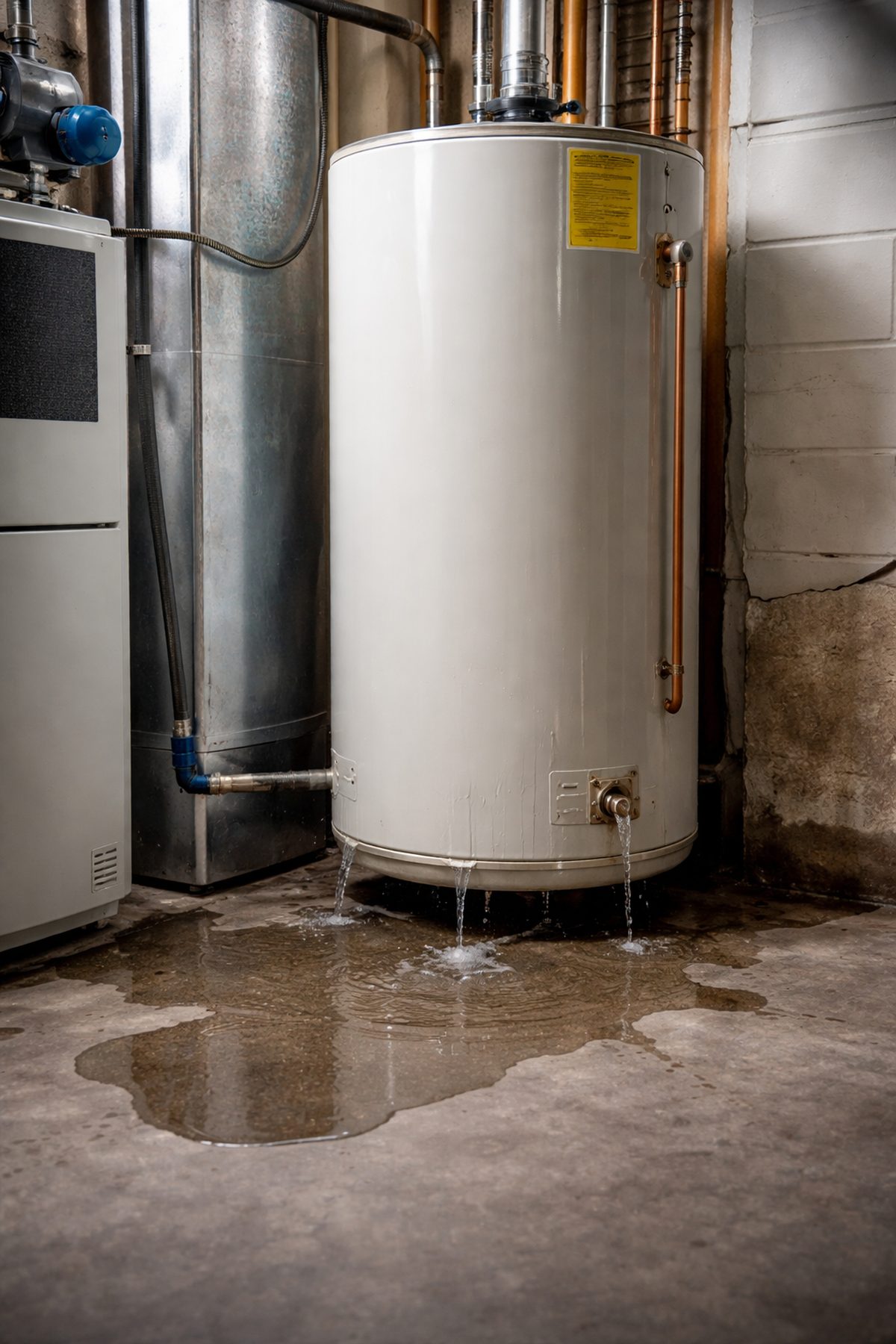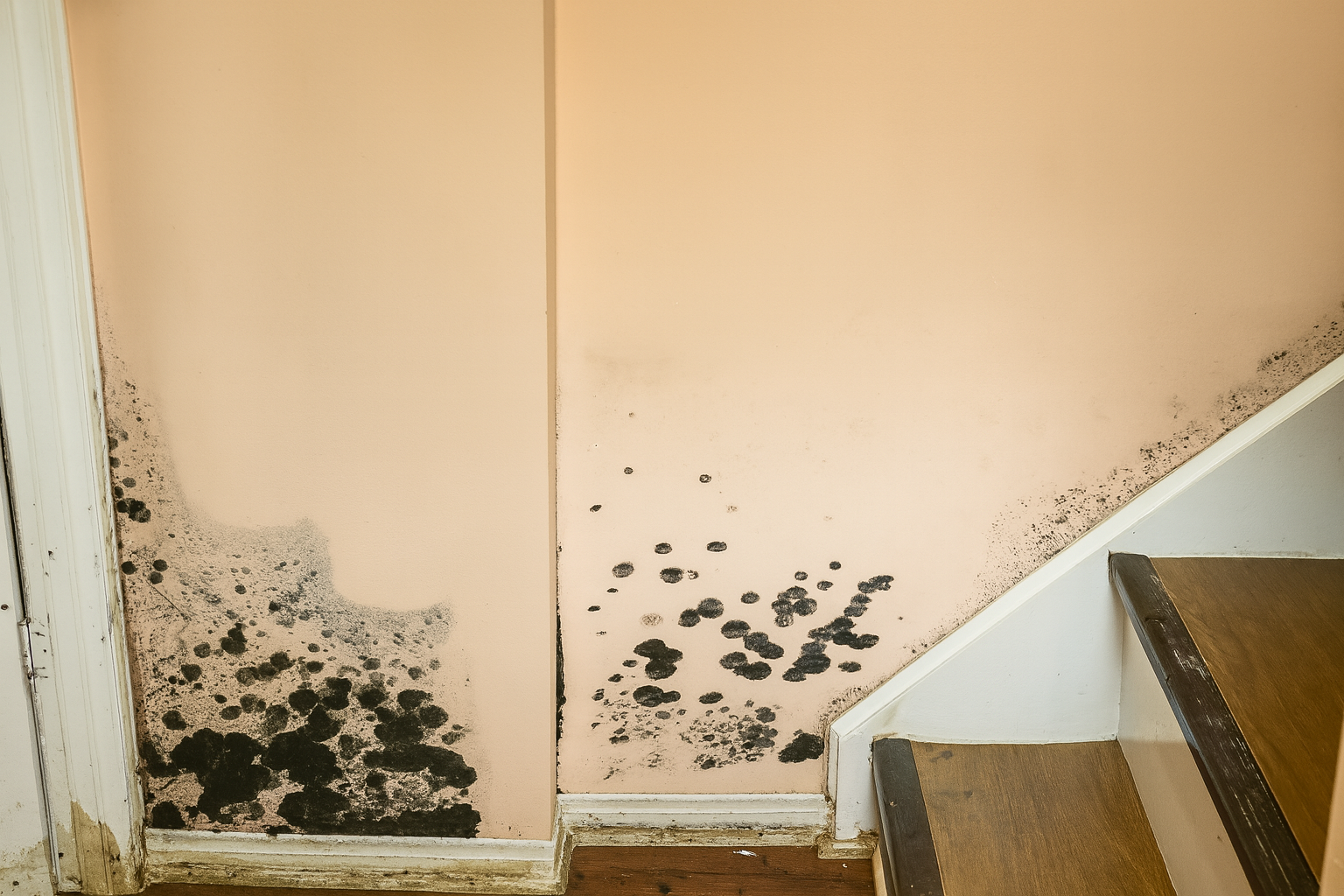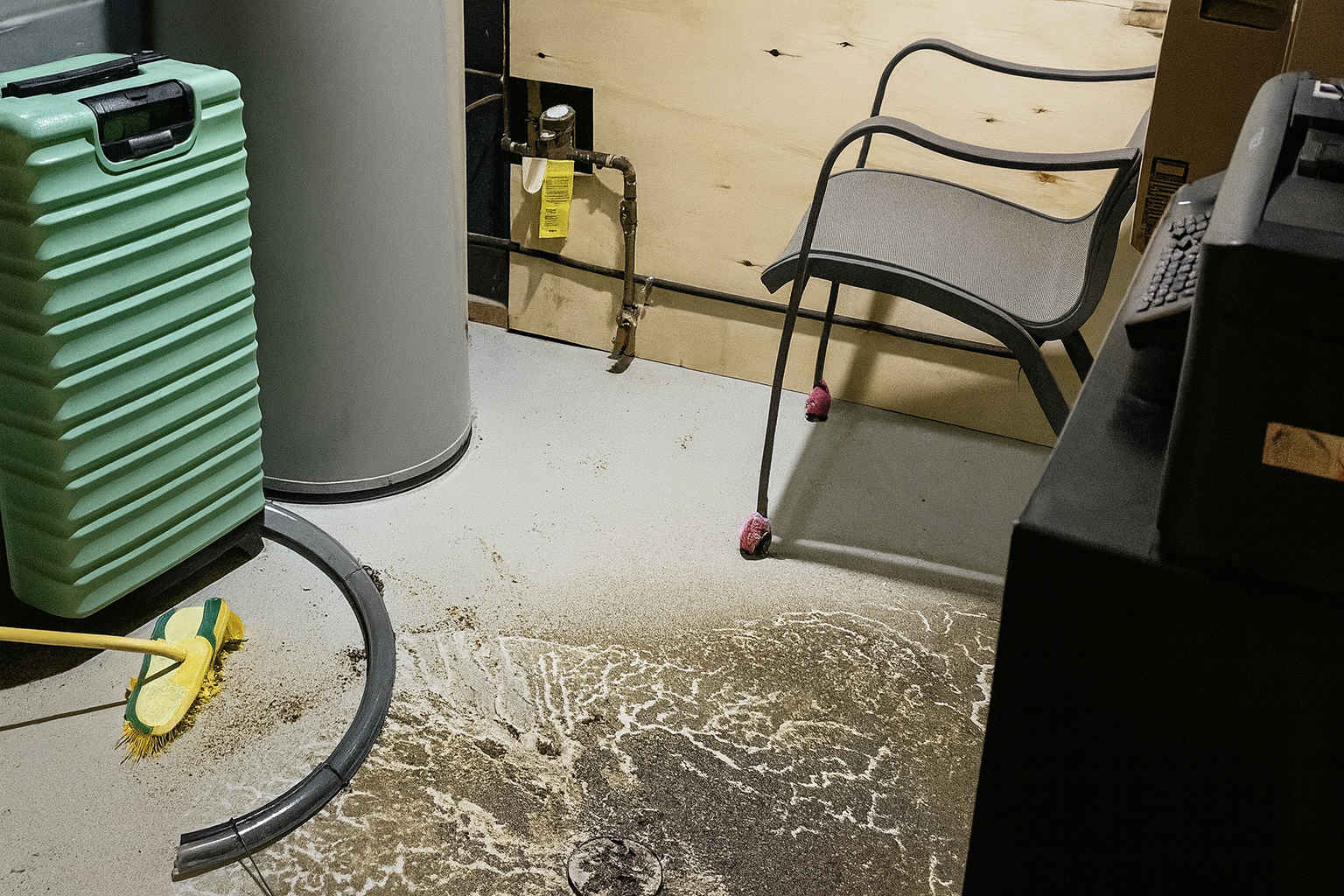
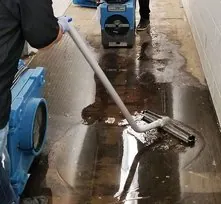
Sewage backups are among the most unpleasant and damaging issues a homeowner can face. Not only are they a health hazard, but they also cause significant property damage and can lead to expensive cleanup and repair costs. While some factors that contribute to sewage backups—such as heavy rainfall or citywide plumbing issues—are beyond your control, there are several steps you can take to reduce the risk and prevent future backups in your home. In this blog, we’ll explore the top 5 home improvements that can help safeguard your property against sewage backups, keeping your home clean, safe, and protected.
1. Install a Backflow Prevention Valve
A backflow prevention valve (also known as a backwater valve) is one of the most effective ways to prevent sewage from flowing back into your home’s plumbing system. This simple device is installed in your main sewer line and works by allowing wastewater to flow out of your home while preventing it from flowing back in.
- How it works: The valve opens when water flows in the correct direction (out of the home) and closes when water starts flowing the wrong way, blocking sewage from entering.
- Why it’s important: Backflow valves are particularly useful in areas prone to heavy rainfall or when the municipal sewage system is overwhelmed. This low-cost installation can save you thousands in potential cleanup and repair costs.
2. Maintain and Clean Your Sewer Lines Regularly
Over time, your home’s sewer lines can accumulate debris, grease, tree roots, and other blockages that increase the risk of backups. Regular maintenance and cleaning of your sewer lines are essential to ensure that your plumbing system is functioning smoothly.
- How to maintain sewer lines: Hire a professional plumber to inspect and clean your sewer lines using hydro-jetting or other advanced techniques. Hydro-jetting uses high-pressure water to clear blockages and break down debris in your pipes.
- Benefits: Regular maintenance can prevent clogs before they turn into more significant issues, reducing the likelihood of sewage backups.
3. Install a Sump Pump with a Backup Power Supply
Sump pumps are commonly used to keep basements dry, but they can also play a critical role in preventing sewage backups, especially in homes with lower-level plumbing systems. Sump pumps work by pumping water away from the foundation of your home, but they can also be used in conjunction with a sewage pump to remove wastewater from flooded areas.
- What it does: A sump pump can help manage stormwater or groundwater that may overload your home’s sewer system. In cases where rainwater or sewer systems become overwhelmed, having a sump pump system that includes a sewage pump will help move wastewater out of your home before it causes a backup.
- Why you need a backup power supply: Power outages during storms or flooding can cause sump pumps to fail. Installing a battery-powered backup system ensures that your sump pump continues working even when the electricity goes out.
4. Upgrade Your Drains and Pipes
Older plumbing systems with outdated pipes are more susceptible to clogs, corrosion, and blockages, which can contribute to backups. If your home is equipped with old cast-iron, clay, or lead pipes, it may be time to consider upgrading to modern materials such as PVC or copper.
- What you need to know: Older pipes are more prone to cracking, tree root infiltration, and general wear and tear. If you notice frequent clogs, slow drainage, or recurring backups, it may indicate that your pipes are no longer functioning efficiently.
- Upgrading your system: By replacing aging pipes and drains with newer, more durable materials, you’ll minimize the risk of clogs and backups. Additionally, installing larger-diameter pipes can help accommodate higher water flow and reduce the chances of sewage backup during heavy rainfall.
5. Landscape to Divert Water Away from Your Foundation
Improper drainage around your home’s foundation can cause water to pool and flow toward your basement or sewer lines, increasing the chances of a sewage backup. Poor landscaping and grading can exacerbate drainage issues, particularly after heavy rainfall or snowmelt.
- What to do: Ensure that the ground around your home slopes away from the foundation. Consider installing French drains or surface drains to redirect water and prevent it from flowing toward your home.
- Additional tips: Keep gutters and downspouts clean and direct rainwater away from the foundation. If water consistently pools near your sewer line, it can cause pressure to build up, leading to blockages and backups.
Conclusion: Safeguard Your Home with These Improvements
Sewage backups are messy, costly, and dangerous. However, with the right home improvements, you can significantly reduce the risk of experiencing a backup in the future. Installing a backflow prevention valve, maintaining your sewer lines, upgrading your plumbing, installing a sump pump with a backup power supply, and improving your landscaping for better drainage are all effective ways to protect your home from the threat of sewage backup.
If you’re unsure where to start or need professional help with any of these improvements, don’t hesitate to reach out to GTARestoration.ca. We offer expert advice, inspection services, and restoration solutions to keep your home safe from sewage backups and other water-related issues. Contact us today to schedule a consultation!