
Introduction
Emergencies can strike at any moment, leaving homeowners in distress and unsure of what to do next. Whether it’s a fire, flood, or severe storm, the aftermath can be overwhelming. That’s where emergency restoration services come in. These professionals are trained to restore your home to its pre damaged condition efficiently and effectively.
Initial Response and Assessment
When you contact an emergency restoration service, the first step is usually a swift response. Most reputable companies understand the urgency of the situation and aim to arrive at your location as quickly as possible—often within hours. Upon arrival, the restoration team will conduct a thorough assessment of the damage. This assessment includes:
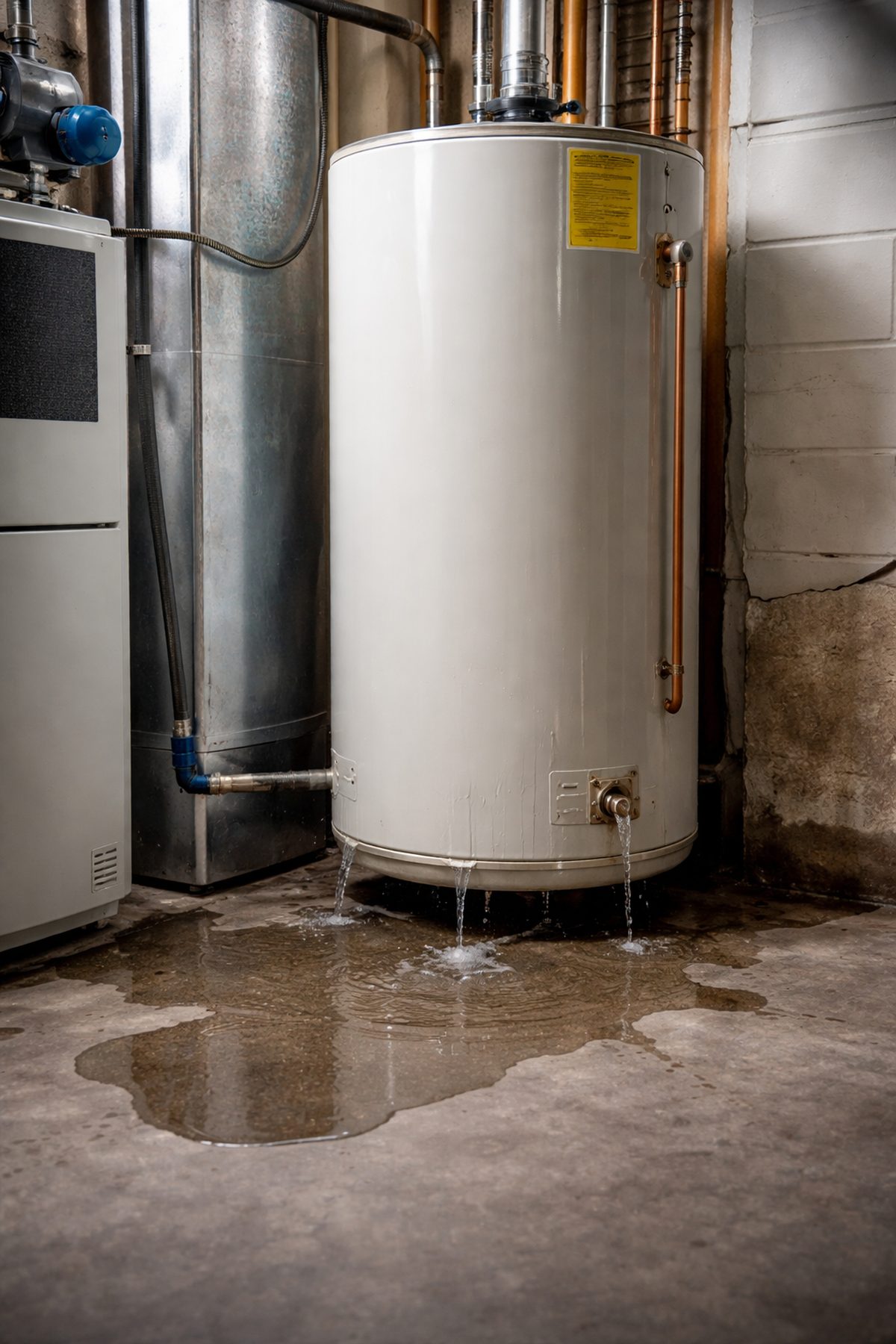
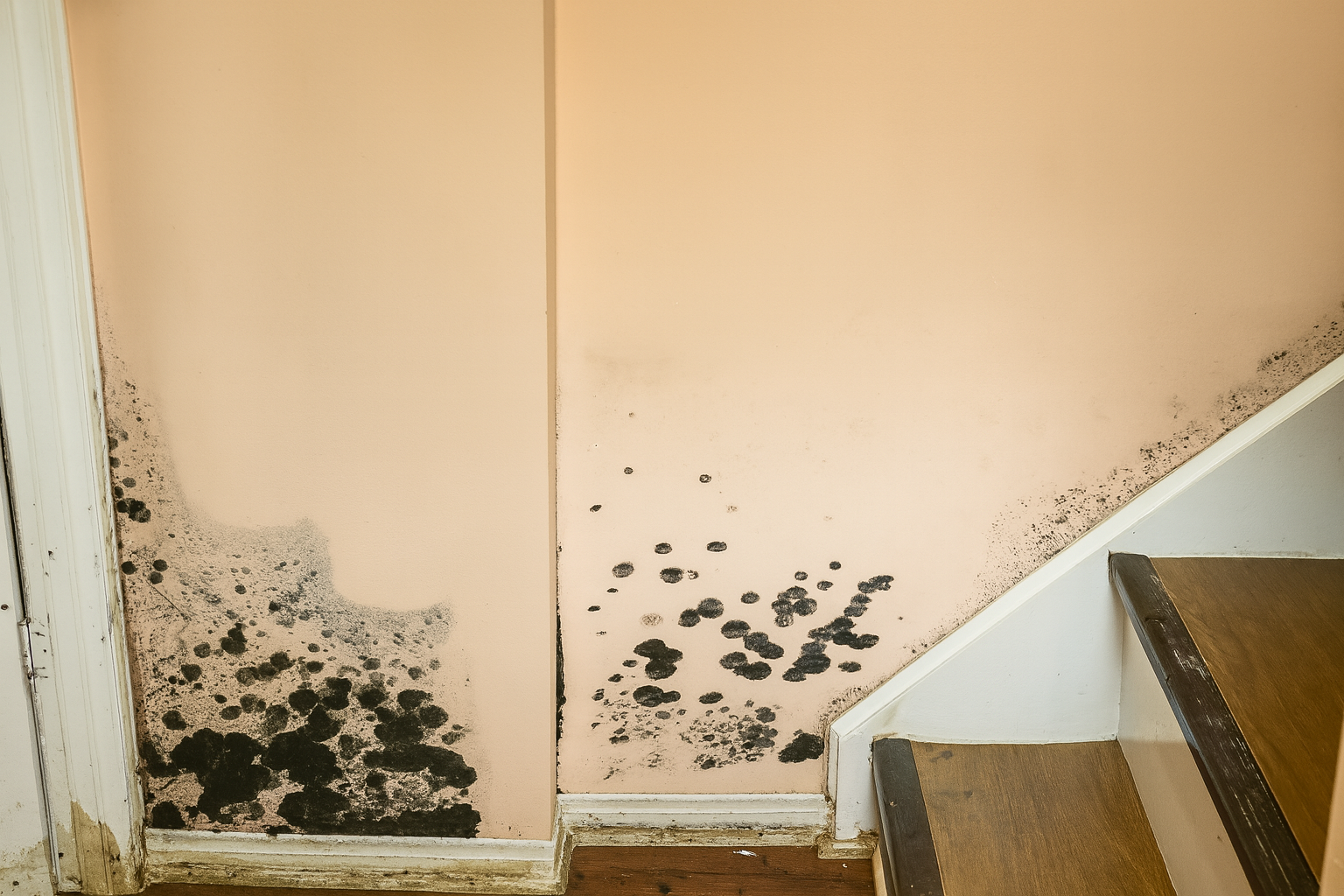
Identifying the Source of Damage: Understanding what caused the damage is crucial for effective restoration. Whether it’s a burst pipe, fire, or mold infestation, identifying the source helps in planning the necessary repairs.
Evaluating Extent of Damage: The team will document the damage to your property, including structural issues, water intrusion, and other hazards. They may use specialized equipment, such as moisture meters and thermal imaging cameras, to detect hidden damage.
Creating a Restoration Plan: Based on their assessment, the restoration team will develop a customized plan to address the damage. This plan will outline the necessary steps, estimated timelines, and costs involved, ensuring transparency throughout the process.
Water Extraction and Drying
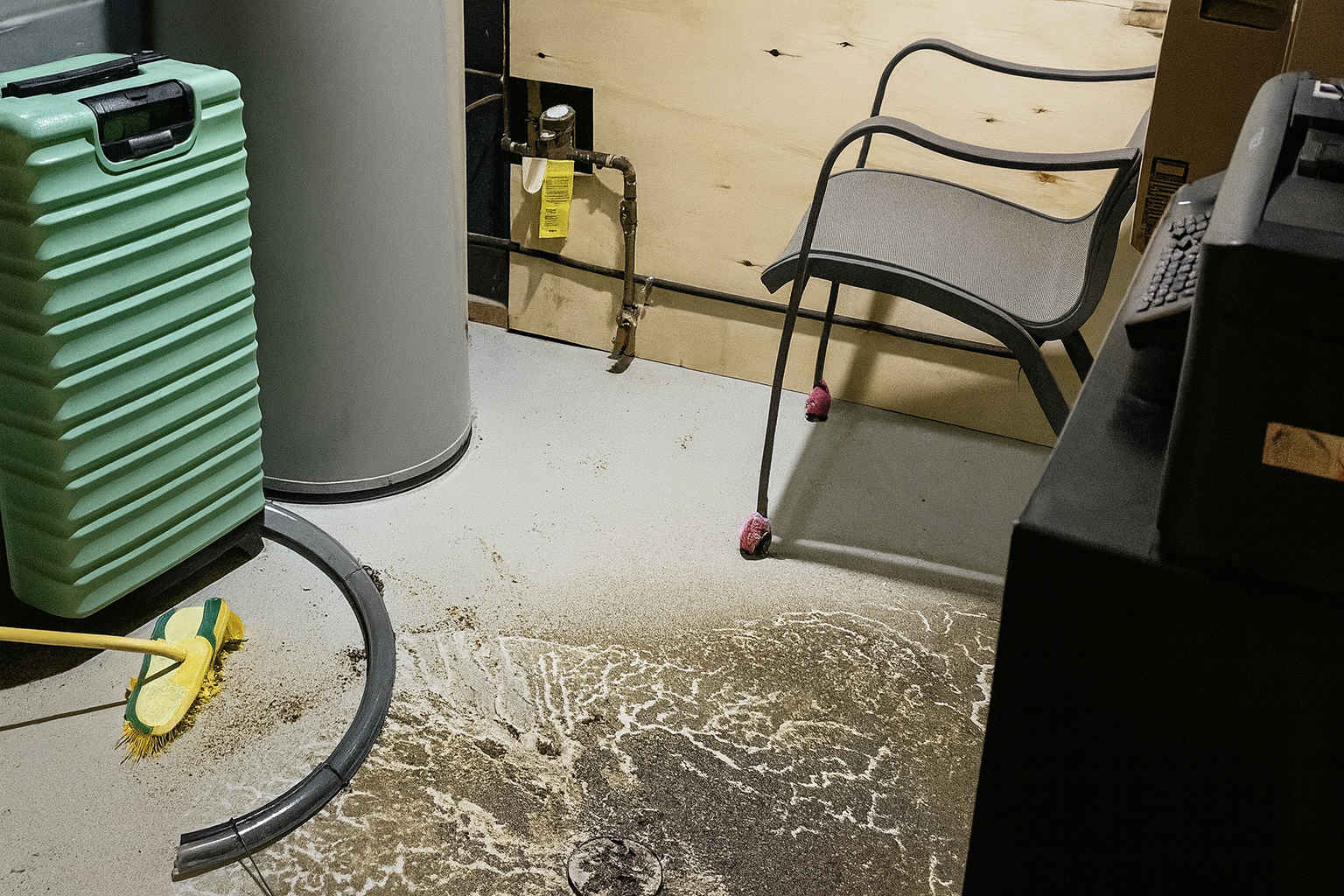
In the case of water damage, immediate water extraction is crucial. The restoration team will use powerful pumps and vacuums to remove standing water from your home. After extraction, the next step is drying and dehumidification. This process typically involves:
Using IndustrialGrade Equipment: Restoration companies utilize highcapacity fans, dehumidifiers, and moisture meters to ensure the area is thoroughly dried. This is vital to prevent mold growth and further structural damage.
Monitoring Humidity Levels: The team will monitor humidity levels throughout the drying process to ensure optimal conditions for drying. This is essential to avoid hidden moisture pockets that could lead to mold or mildew.
Cleaning and Sanitizing
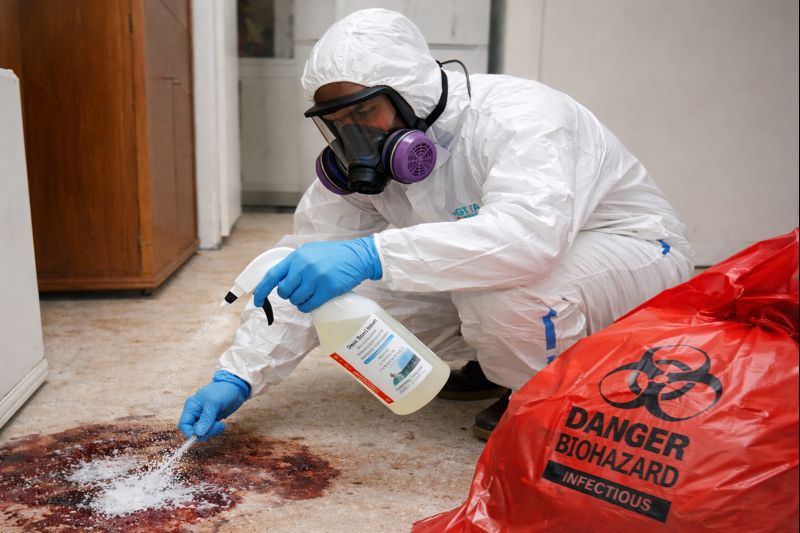
Once your property is dry, the next step involves cleaning and sanitizing the affected areas. This phase is critical in preventing health risks associated with mold and bacteria growth. Here’s what to expect:
Removing Contaminated Materials: In cases of sewage backup or floodwater, the restoration team will safely remove any contaminated materials, such as carpets, drywall, and furniture, that cannot be salvaged.
Thorough Cleaning: The team will use specialized cleaning products to sanitize the affected areas, ensuring a safe and healthy environment for you and your family.
Deodorization: If the damage involves smoke or odors from mold, the restoration team will employ advanced deodorization techniques to eliminate lingering smells and ensure your home smells fresh.
Repairs and Reconstruction
After the cleaning and sanitization process, it’s time for repairs and reconstruction. This step involves restoring your home to its original condition or even improving it. Here’s what you can expect:
Restoring Structural Damage: The team will address any structural issues caused by the emergency, such as repairing walls, ceilings, and floors.
Rebuilding: Depending on the extent of the damage, the restoration service may undertake extensive rebuilding efforts, including replacing drywall, flooring, and fixtures.
Final Touches: Once the major repairs are completed, the team will ensure that the final touches, such as paint and finishes, are carried out to restore your home’s aesthetics.
Communication and Documentation
Throughout the restoration process, effective communication is key. A reliable restoration service will keep you informed about:
Progress Updates: Expect regular updates on the status of the restoration work. This includes any changes to the initial plan or unexpected challenges.
Documentation: The restoration team will document the entire process, which is essential for insurance claims. This includes photographs, reports, and receipts that detail the work performed.
Conclusion
Dealing with an emergency can be daunting, but understanding the process of emergency restoration services can help ease your anxiety. From the initial assessment to repairs and communication, knowing what to expect can make a significant difference in your recovery process. By choosing a reputable restoration company, you can rest assured that your home will be restored efficiently and effectively, allowing you to focus on getting back to your normal life. Remember, in the face of an emergency, prompt action is crucial—don’t hesitate to reach out for professional help when you need it most.