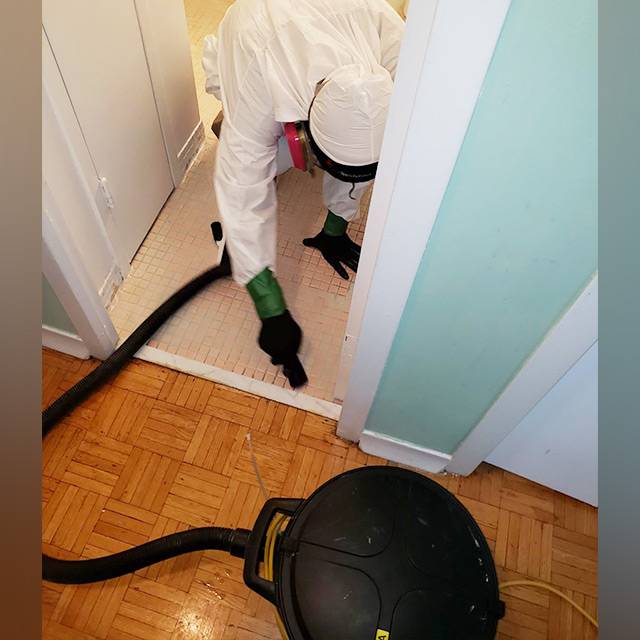
Sewage backup is not just an unpleasant issue; it can lead to significant damage to your home and pose serious health risks. If you find yourself facing this unfortunate situation, understanding your homeowners insurance coverage is crucial. At GTArestoration.ca, we aim to help you navigate the complexities of sewage backup and insurance to ensure you are well-informed and prepared.
What Is Sewage Backup?
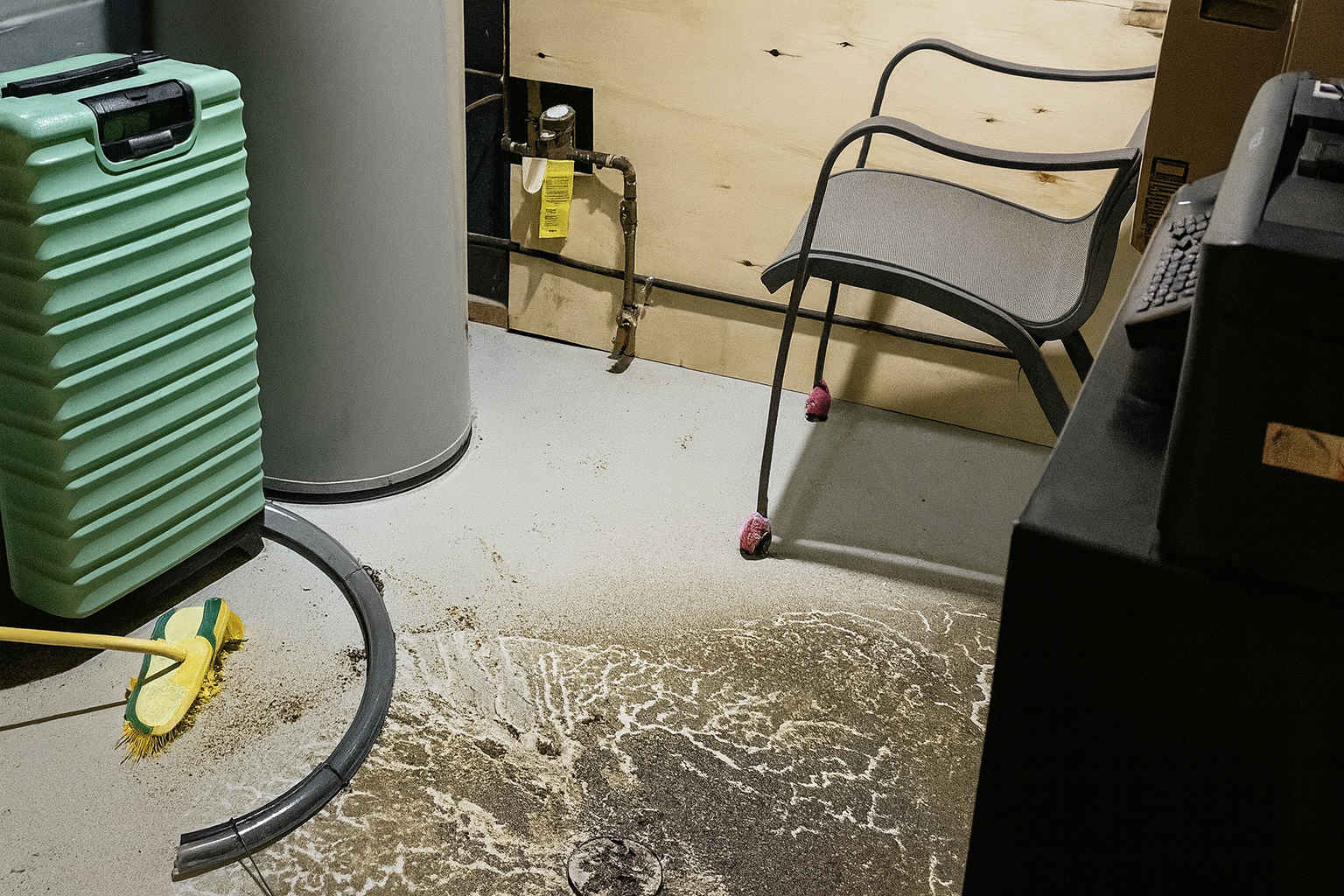
Sewage backup occurs when wastewater from your plumbing system flows back into your home instead of being properly drained away.
- Clogs: A buildup of debris, grease, or foreign objects in pipes can create blockages.
- Heavy Rainfall: Excessive rain can overwhelm municipal sewer systems, causing them to back up.
- Tree Roots: Roots from nearby trees can invade sewer lines, obstructing flow.
- Damaged Pipes: Cracked or broken pipes can lead to backups, especially in older homes.
Understanding the causes of sewage backup can help you take preventive measures and know what to expect when dealing with such an event.
Health Risks and Damage
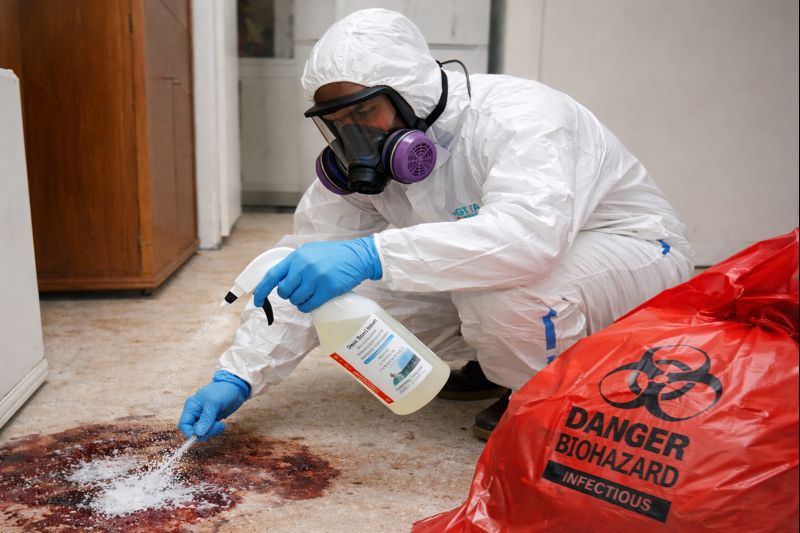
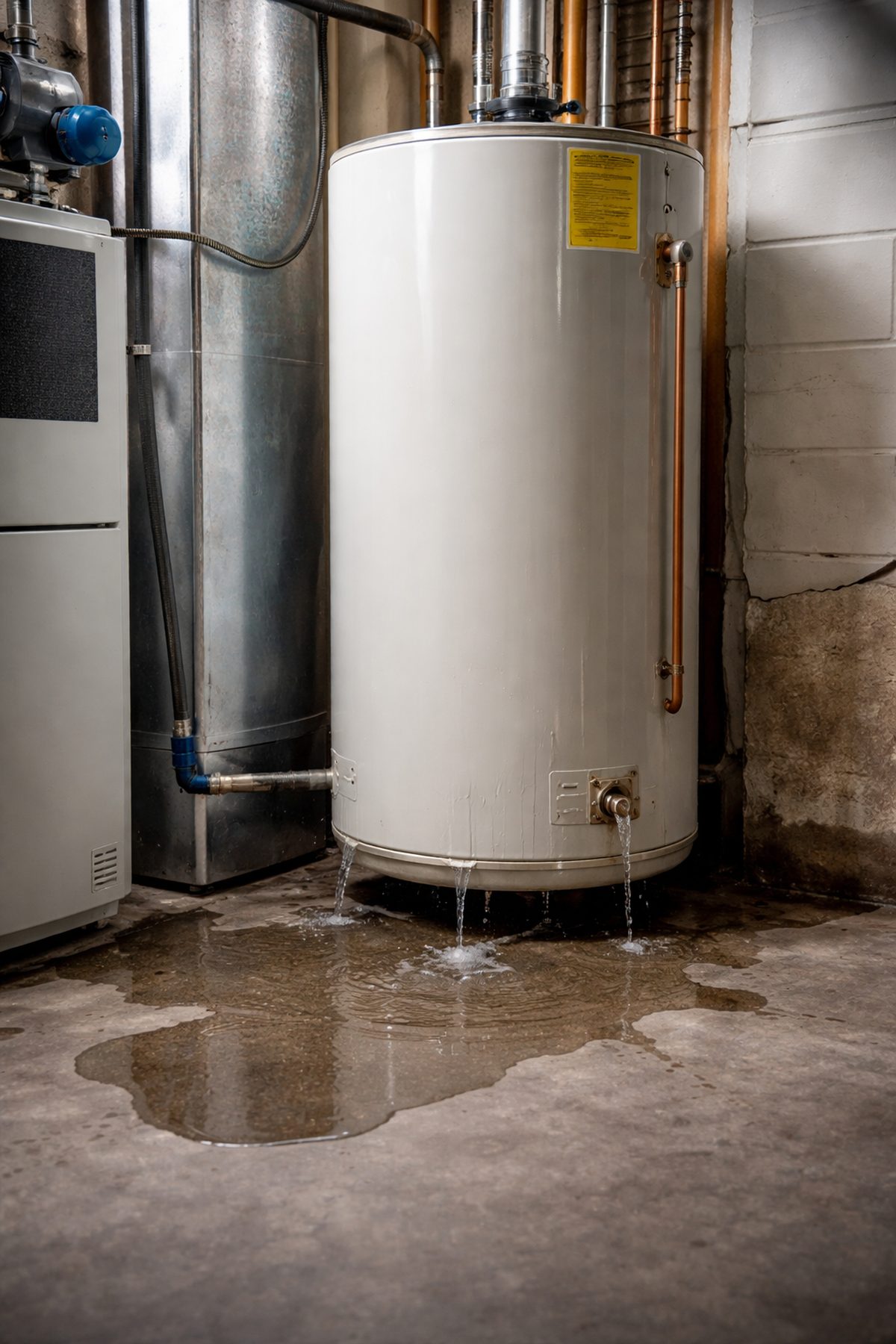
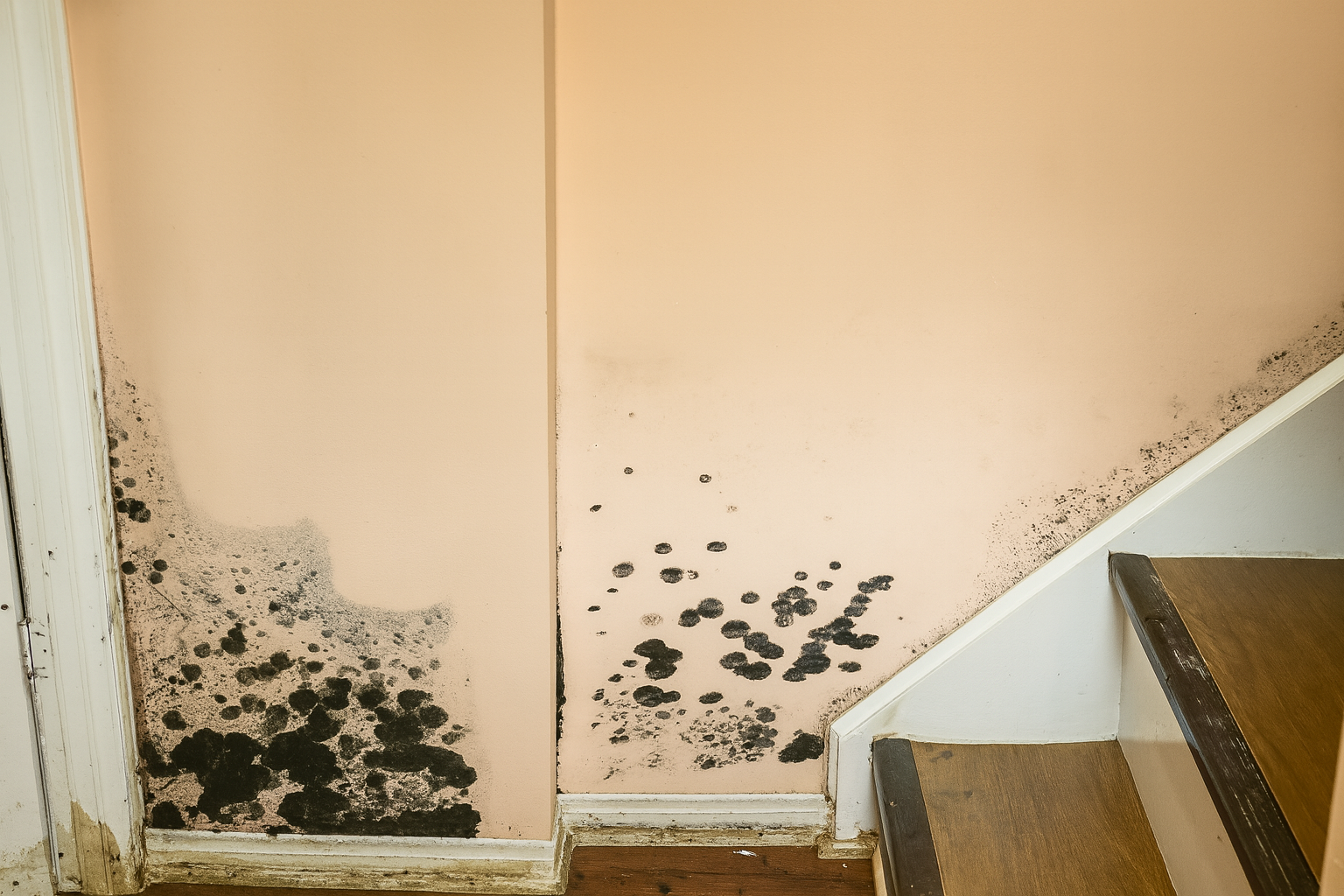
Sewage backups can lead to extensive damage to your home and belongings. They may carry harmful bacteria and viruses, posing health risks to you and your family. Contaminated water can damage carpets, furniture, and drywall, leading to costly repairs and potentially creating a hazardous environment.
Homeowners Insurance: What’s Covered?
Homeowners insurance policies vary widely in terms of coverage, especially concerning sewage backups. Here’s what you need to know about what might be covered:
Standard Coverage vs. Additional Endorsements
- Standard Homeowners Insurance: Most standard homeowners insurance policies do not cover sewage backup. Instead, they typically cover damage caused by sudden and accidental water events, like burst pipes or roof leaks.
- Sewage Backup Endorsement: Many insurance companies offer a sewage backup endorsement or rider. It specifically covers damage caused by sewer backups, giving you peace of mind if this issue arises.
Key Considerations for Coverage
When evaluating your homeowners insurance policy, consider the following:
- Policy Limits: Even if you have sewage backup coverage, there may be limits on how much your insurer will pay for repairs and damage. Check your policy for specifics.
- Deductibles: Understand the deductibles associated with sewage backup claims. A higher deductible may mean lower premiums but can result in out-of-pocket costs during a claim.
- Exclusions: For instance, damage resulting from negligence or failure to maintain your plumbing system may not be covered.
How to Prepare for Potential Sewage Backup
Taking proactive steps can help you mitigate the risks of sewage backup and protect your home:
1. Know Your Policy
Start by reviewing your homeowners insurance policy. If you’re unsure about your coverage, contact your insurance agent to clarify what is included and whether you can add sewage backup coverage.
2. Conduct Regular Maintenance
Regular maintenance of your plumbing system can help prevent sewage backups. Here are some key maintenance tips:
- Inspect Pipes: Regularly check for signs of wear and tear, especially in older homes.
- Clear Drains: Use drain covers to catch debris and clean your drains regularly to prevent clogs.
- Monitor Tree Roots: If you have large trees near your property, monitor their roots to ensure they aren’t damaging your sewer lines.
3. Install Backflow Prevention Devices
These devices can help prevent sewage from flowing back into your home during heavy rainfall or system overloads.
4. Know the Signs of Backup
Being aware of the early signs of sewage backup can help you take immediate action:
- Unpleasant Odors: A foul smell in your home or yard may indicate a backup.
- Slow Drains: If multiple drains in your home are slow, it could be a sign of a blockage.
- Gurgling Sounds: Strange sounds coming from your pipes when using water may indicate issues.
What to Do If You Experience Sewage Backup
If you do encounter a sewage backup, it’s crucial to act quickly:
1. Evacuate the Area
If you notice sewage backup, evacuate the affected area immediately. Avoid contact with contaminated water, as it can pose serious health risks.
2. Contact Professionals
Reach out to a professional restoration company like GTARestoration.ca. Experts can assess the damage, safely clean up contaminated areas, and help you navigate the claims process with your insurance provider.
3. Document the Damage
Take photos and make a detailed list of the damage for your insurance claim. Documenting everything will support your case when you file your claim.
4. File Your Claim
After contacting your insurance provider, file your claim as soon as possible. Be prepared to provide them with the documentation and any other information they may request.
Conclusion
Understanding whether sewage backup is covered by homeowners insurance is essential for every homeowner. By being proactive—reviewing your policy, maintaining your plumbing system, and knowing the signs of a potential backup—you can better protect your home from the damaging effects of sewage backup.
At GTArestoration.ca,, we’re committed to helping homeowners navigate water damage and restoration challenges. If you face a sewage backup or have any questions about your insurance coverage, don’t hesitate to reach out.