When it comes to home maintenance, there are certain issues we all expect to deal with—clogged drains, a leaky faucet, or a broken appliance. But one issue that often goes unnoticed until it’s too late is soot damage. Soot is a common byproduct of incomplete combustion and can quickly accumulate in your home, causing a range of problems from unsightly stains to severe health risks. In this blog, we’ll take a look at how soot damage affects your home and offer some practical tips for prevention, as well as insight into the soot cleaning services we provide at GTARestoration.ca in Toronto, Mississauga, and North York.
What Is Soot, and Why Should You Care?
Soot is a fine, black, powdery substance produced by the incomplete burning of carbon-containing materials. Whether it’s from a wood stove, a gas furnace, or even a candle, soot is made up of tiny carbon particles and other chemicals that can easily settle on your walls, furniture, and floors. While it may seem like a minor inconvenience, fire soot and smoke soot can lead to significant damage to your home’s structure and pose serious health risks if not addressed quickly.
When soot accumulates on surfaces, it can cause stains, leave behind unpleasant odors, and worsen indoor air quality. Over time, soot can even deteriorate materials like wood, fabric, and paint, leading to costly repairs and replacements.
How Soot Damage Affects Your Home
Soot damage isn’t just about aesthetic issues—it can affect your home in several ways. Let’s take a look at the potential consequences of ignoring soot buildup:
1. Aesthetic Damage
One of the most noticeable effects of soot damage is the staining of surfaces. Smoke soot and fire soot can leave behind dark, stubborn stains on walls, ceilings, and furniture. These stains can be difficult to remove, especially if they’ve been allowed to sit for a long time. Over time, soot damage can make your home look worn and dirty, which can be frustrating for homeowners who take pride in a clean and well-maintained space.
2. Health Risks
Soot isn’t just an eyesore—it can also pose serious health risks. The fine particles in soot can be inhaled, leading to respiratory issues such as asthma, bronchitis, or other lung conditions. People with pre-existing respiratory problems, children, and the elderly are especially vulnerable. Prolonged exposure to soot can even increase the risk of heart disease and other long-term health issues.
3. Structural Damage
If soot is left to accumulate on surfaces for too long, it can begin to eat away at the materials it settles on. This is particularly problematic for things like wooden furniture, floors, and trim. Soot can penetrate porous materials and cause long-term damage, leading to the need for expensive repairs or replacements.
4. Lingering Odors
Soot carries a strong, unpleasant odor that can linger in your home long after the source of the soot is removed. Whether it’s the result of a fire, a faulty furnace, or even a candle, fire soot leaves behind a musty, smoky smell that can be hard to get rid of. Without proper cleaning, these odors can continue to permeate your home, affecting your indoor air quality and overall comfort.
5. Decreased Indoor Air Quality
As soot settles on surfaces, it can also float through the air, making the indoor air quality in your home worse. In fact, soot particles are small enough to become airborne and circulate through your HVAC system, spreading throughout your entire home. This can aggravate respiratory issues, trigger allergies, and contribute to overall poor air quality.
How to Prevent Soot Damage in Your Home
Now that you understand how soot can affect your home, let’s talk about how you can prevent it. Here are some effective tips to keep soot buildup under control:
1. Regular Fireplace and Stove Maintenance
If you have a wood-burning fireplace or stove, it’s essential to have it cleaned and inspected regularly. The buildup of soot in the chimney and flue can create a fire hazard, and it can also cause soot to leak into your living space. Having a professional chimney sweep clean your fireplace every year will reduce the risk of soot damage and keep your home safe. At GTARestoration.ca, we offer expert soot cleaning services in Toronto, Mississauga, and North York, specializing in removing fire soot and preventing further damage.
2. Service Your Gas Appliances
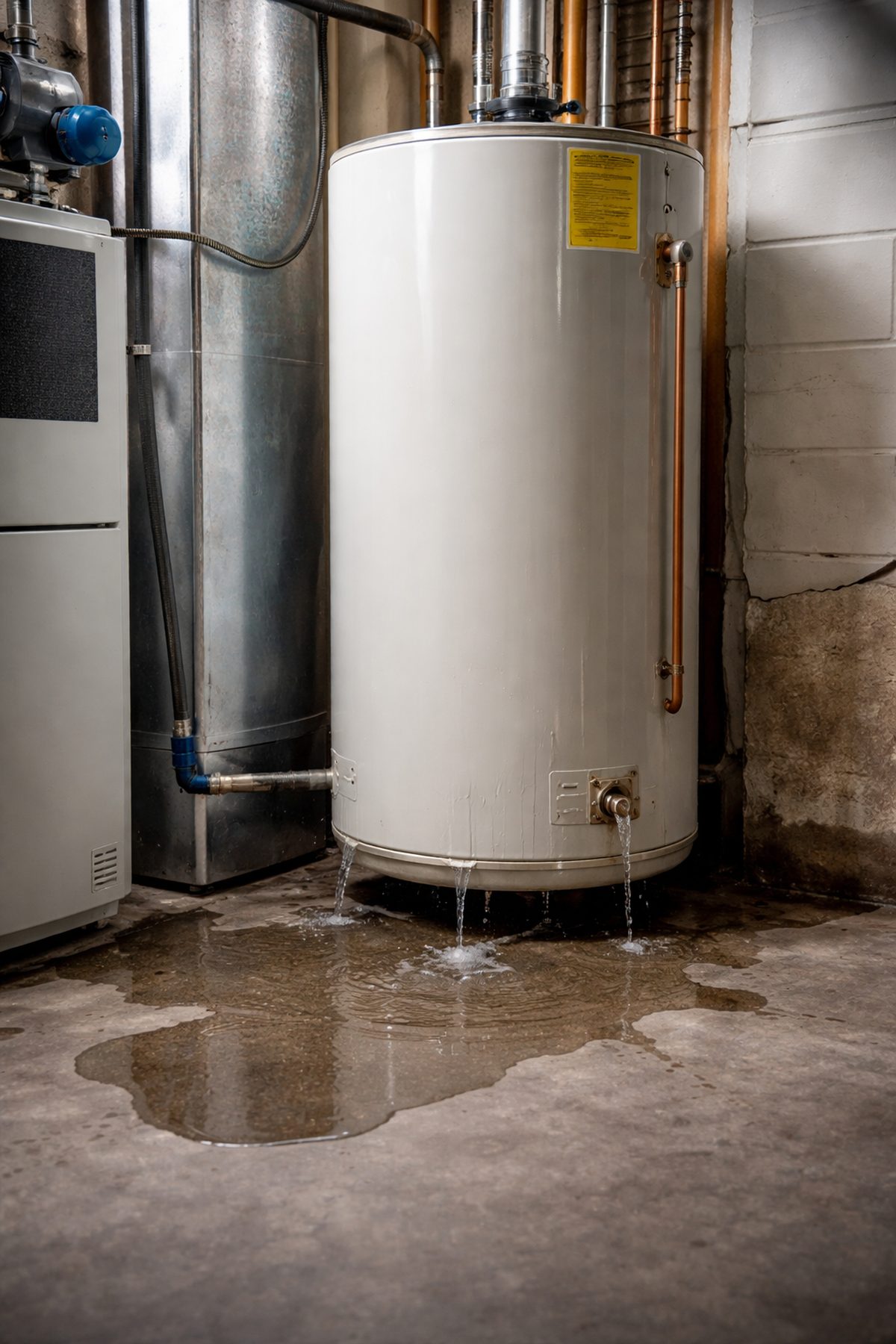
Gas appliances like furnaces, water heaters, and stoves can also be a source of soot if they aren’t properly maintained. A professional inspection and cleaning of your gas appliances can ensure they are operating efficiently and burning cleanly, preventing the buildup of smoke soot in your home. Schedule regular maintenance with a licensed technician to keep your gas appliances in top condition.
3. Proper Ventilation for Candles and Oil Lamps
Candles and oil lamps can add a cozy ambiance to your home, but they are also common culprits for soot production. To reduce soot buildup, always burn candles in well-ventilated areas and keep the wicks trimmed to about 1/4 inch. This helps to ensure a cleaner burn and minimizes the release of soot into the air.
4. HVAC System Maintenance
Your HVAC system can be a hidden source of soot if it’s not properly maintained. Over time, soot can accumulate in your system’s ducts and filters, and if your system burns fuel, it can circulate soot particles throughout your home. Regularly clean or replace air filters and schedule annual HVAC inspections to ensure your system is operating safely and efficiently.
Soot damage is a serious issue that can affect your home’s appearance, air quality, and your health. Whether it’s caused by a fireplace, gas appliance, or even candles, the effects of soot are often underestimated. Taking proactive steps to prevent soot buildup and investing in professional cleaning services can save you time, money, and headaches down the road.