Winter in Canada can be as beautiful as it is brutal. While the snow-capped landscapes and cozy winter nights are certainly appealing, the freezing temperatures can wreak havoc on your home’s plumbing. One of the most serious winter hazards homeowners face is burst pipes, a problem that can cause extensive damage and costly repairs.
At GTARestoration.ca, we know that a burst water pipe can be a homeowner’s worst nightmare. From frozen pipes to burst pipe repair, we specialize in emergency restoration services throughout Toronto, Mississauga, and North York. In this blog, we’ll dive into the common causes of burst pipes in Canadian homes and explain how you can protect your home from this hidden danger.
Why Do Pipes Burst in Canadian Homes?
The primary reason pipes burst in Canadian homes is due to freezing temperatures, but there are several other factors that can contribute to the problem. Let’s explore the top causes of burst pipes so you can better understand how to prevent this costly damage.
1. Freezing Temperatures
The most common cause of burst pipes in Canada, particularly during the harsh winter months, is freezing. When the temperature drops below freezing, the water inside your pipes freezes and expands. This expansion puts tremendous pressure on the pipe walls, often causing them to crack or burst.
Pipes that are most at risk include those located in unheated areas such as basements, attics, or crawl spaces—areas where the cold can seep in. Frozen pipes are a serious issue, and if they burst, it can cause significant water damage.
Prevention Tips:
- Insulate exposed pipes: Pipes in unheated areas are vulnerable to freezing. Insulate them with foam sleeves or heat tape.
- Seal cracks and gaps: Check for gaps around windows, doors, and walls and seal them to prevent cold air from reaching your pipes.
- Let faucets drip: If temperatures are expected to drop significantly, let faucets drip slowly to relieve pressure in the system.
- Keep your home warm: Maintain a steady indoor temperature, even if you are away from home for an extended period.
2. Old or Corroded Pipes
Over time, pipes can become corroded, weakened, or even develop small cracks. In older homes, galvanized steel pipes are common, and they are particularly prone to rust and corrosion. These pipes are much more susceptible to cracking and bursting, especially when subjected to freezing conditions or high water pressure.
Corroded pipes also can’t withstand the expansion caused by freezing water, which makes them highly vulnerable to bursting.
Prevention Tips:
- Replace old pipes: If your home has outdated or corroded pipes, it might be time for a repiping project.
- Regular inspections: Hire a licensed plumber to inspect your pipes for any signs of corrosion or weakness, especially if you live in an older home.
3. High Water Pressure
Excessively high water pressure can stress your pipes, causing them to weaken and eventually burst. When the water pressure in your home exceeds safe levels, it can strain your plumbing system, especially at weak points or areas with aging pipes.
High water pressure is a silent cause of burst pipes, and it’s easy to overlook unless you’re monitoring it regularly.
Prevention Tips:
- Install a pressure regulator: If your home’s water pressure is too high, installing a pressure-reducing valve will help manage the pressure and prevent stress on the pipes.
- Test water pressure regularly: You can purchase a water pressure gauge to check the pressure yourself, or hire a plumber to do it.
4. Clogged Pipes and Blockages
A clogged pipe can increase pressure within the plumbing system. This is especially true for pipes that have already been weakened by age or damage. When water can’t flow freely due to blockages, it builds up pressure and may cause the pipe to burst.
Blockages can occur due to grease buildup, food debris, or even tree roots invading the plumbing. If water backs up behind the blockage and freezes, it can exacerbate the pressure, causing a burst pipe.
Prevention Tips:
- Regular cleaning and maintenance: Schedule professional cleaning for your drains and pipes, particularly for areas where clogs tend to occur frequently.
- Install drain guards: Protect your drains from large debris by using guards to catch food particles, hair, and other clog-causing items.
- Avoid dumping grease or oils down the drain: These substances can harden and create stubborn blockages.
5. Improper Pipe Installation
In some cases, pipes may burst due to improper installation. This could be due to poorly connected pipes, inadequate insulation, or lack of proper support. When pipes aren’t installed correctly, they’re more susceptible to leaks, cracks, and eventual bursts, especially when subjected to freezing temperatures or high water pressure.
Prevention Tips:
- Hire professionals: Ensure that your plumbing system is installed by experienced, licensed plumbers who follow best practices and local codes.
- Avoid DIY repairs: Plumbing repairs require technical knowledge. Trying to fix or install pipes yourself can lead to mistakes that increase the risk of pipe damage.
Burst pipes are a hidden danger in Canadian homes, especially during the winter months. Whether it’s caused by freezing temperatures, old pipes, or high water pressure, understanding the causes of burst pipes is key to preventing this potentially costly problem.
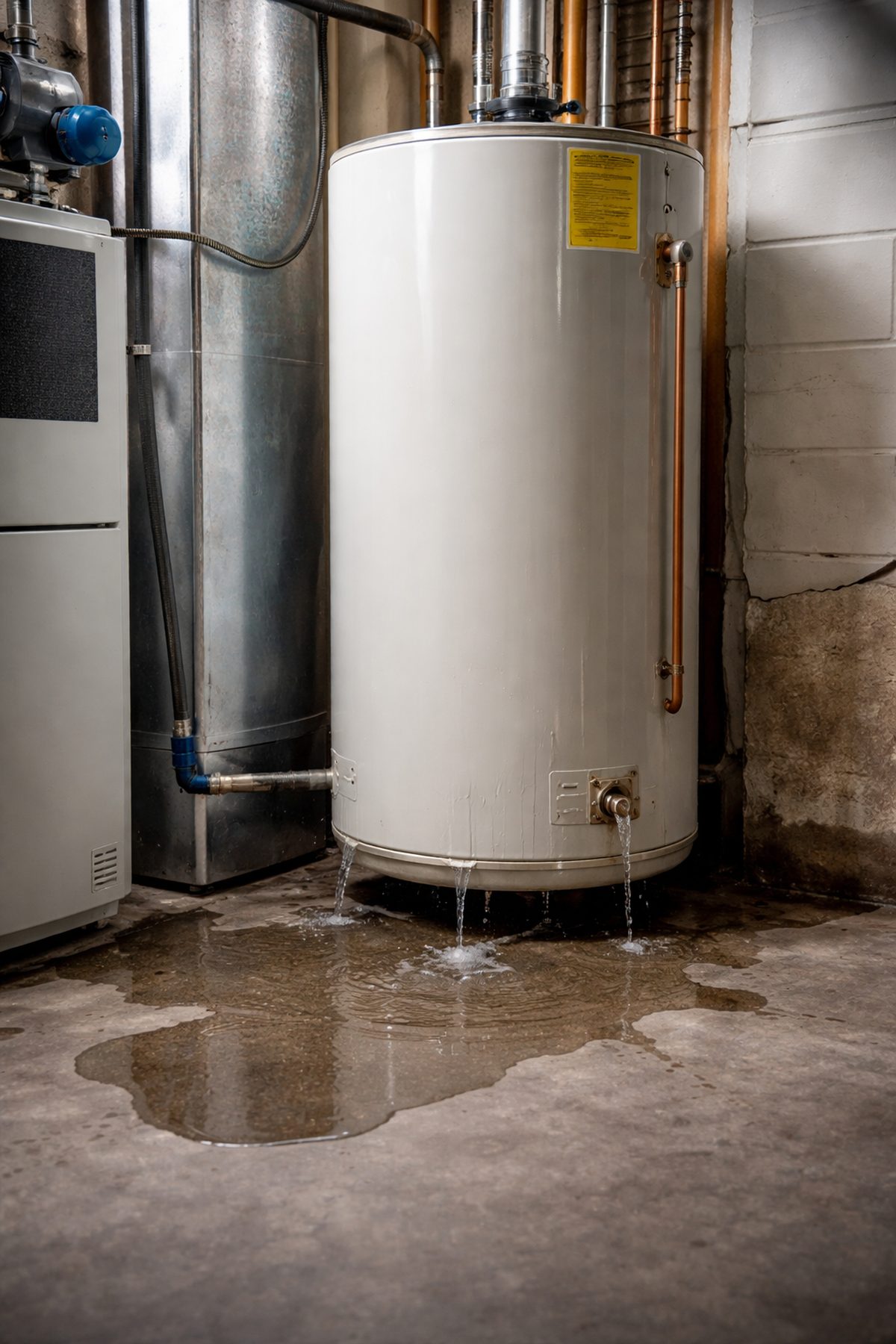
If you need help with frozen pipe repair or burst pipe cleaning, GTARestoration.ca is here to help. We provide expert burst pipe repair and emergency plumbing services in Toronto, Mississauga, and North York. Don’t let frozen or burst pipes ruin your winter—contact us today for reliable, fast, and professional plumbing solutions!