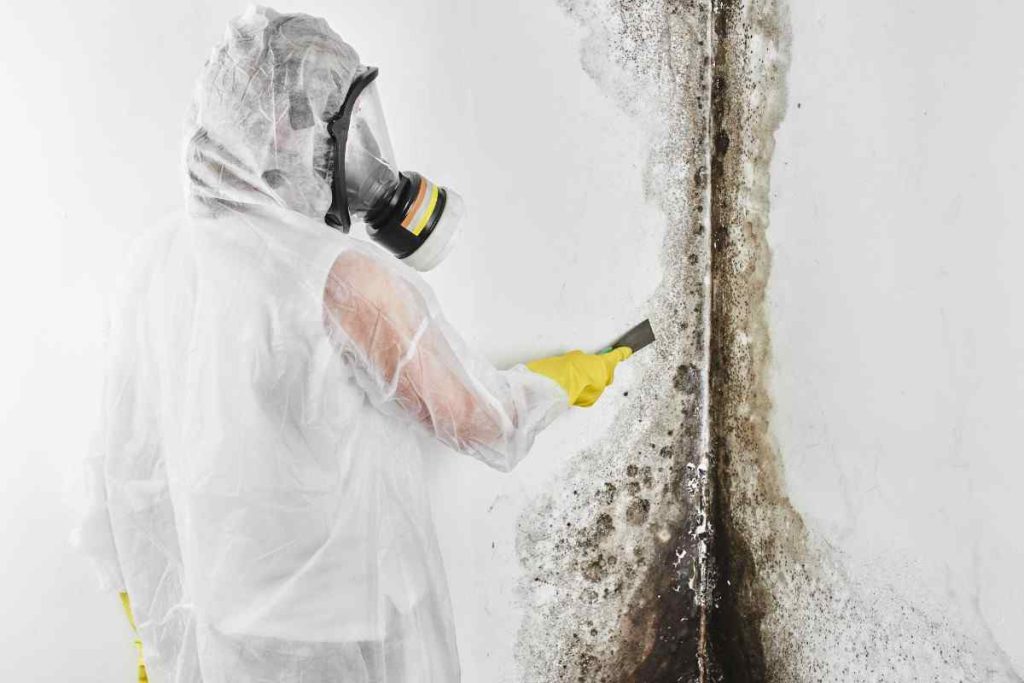
Mold is a silent intruder that can cause significant health issues and structural damage if left unchecked. If you suspect mold in your home or business, scheduling a mold inspection is the best way to assess the problem. But what exactly happens during a mold test?
In this guide, we’ll walk you through the mold testing process, explaining how experts test mould, detect hidden mold, and evaluate indoor air quality. If you’re looking for mold testing near me in Toronto, Mississauga, or Aurora, this information will help you understand what to expect.
Why Is Mold Testing Important?
Mold can be harmful in several ways. It triggers allergies, worsens respiratory conditions, and can even lead to long-term health issues. Additionally, mold weakens building structures, leading to costly repairs. A mold evaluation provides crucial information about the type and severity of mold present, helping homeowners and businesses take appropriate action.
The Mold Testing Process
1. Initial Consultation and Inspection
When you contact a professional for mold inspection near me, they will start with a detailed consultation. This involves:
✔️ Discussing your concerns and any health symptoms
✔️ Noting any recent water damage or persistent moisture issues
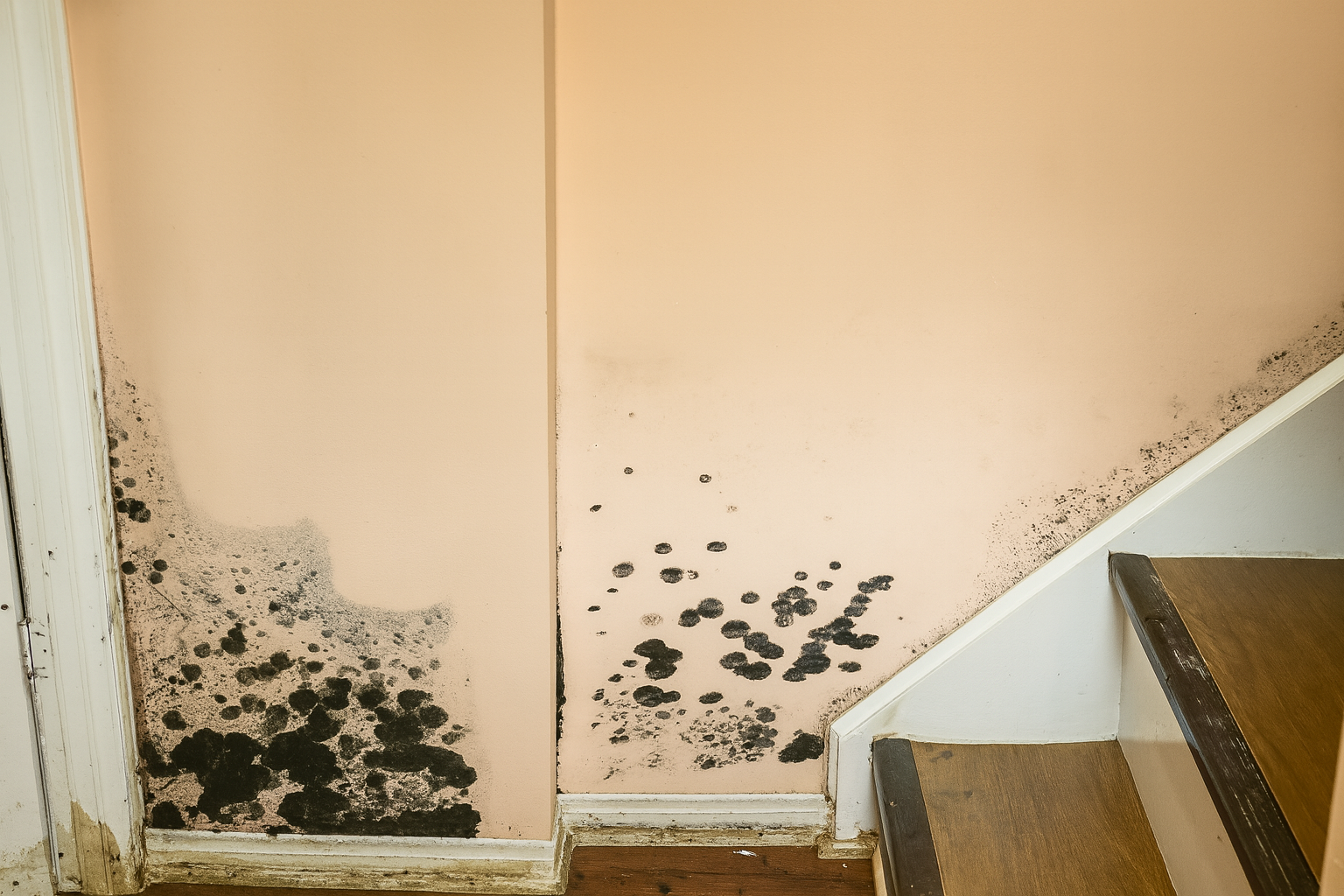
✔️ Inspecting visible mold growth or musty odors
The inspector will then conduct a thorough visual mold inspection, checking areas where mold is likely to thrive, such as:
- Basements and crawl spaces
- Bathrooms and kitchens
- Attics and ventilation systems
- Behind walls and under flooring
2. Air and Surface Sampling
After the initial inspection, the next step is to collect samples for further mold detection. Professionals use advanced tools to analyze the mold concentration in the air and on surfaces.
Air Testing
- Specialized air pumps collect air samples from different areas of your property.
- These samples are analyzed for airborne mold spores, helping to determine the mold levels in indoor spaces.
Surface Testing
- Swabs or tape lifts are used to collect samples from walls, furniture, and HVAC systems.
- This helps identify the exact type of mold present, including harmful species like black mold.
3. Moisture and Humidity Assessment
Mold thrives in damp environments, so professionals will measure the moisture levels in your home. They may use:
- Moisture meters to check for dampness in walls, floors, and ceilings.
- Thermal imaging cameras to detect hidden water leaks and mold hotspots.
If your property has moisture issues, addressing them is crucial to preventing future mold growth.
4. Lab Testing and Analysis
The collected samples are sent to a laboratory for detailed analysis. Experts will determine:
✔️ The type of mold present (e.g., black mold, aspergillus, or penicillium).
✔️ The mold spore count and whether it’s at a dangerous level.
✔️ If the mold is actively growing and spreading.
The results usually take a few days, after which the mold testing team will provide a comprehensive report.
5. Mold Testing Report & Recommendations
Once the analysis is complete, you’ll receive a detailed mold evaluation report, including:
- Findings from air and surface tests
- The severity and type of mold present
- Potential health risks associated with the mold
- Recommendations for mold remediation if needed
If mold levels are high, experts will suggest professional mold removal to restore indoor air quality.
When Should You Get Mold Testing?
Mold testing isn’t just for when you see visible mold growth. Consider scheduling a mold inspection near me if you notice:
✅ Musty Odors – A persistent damp smell can indicate hidden mold.
✅ Health Issues – Unexplained allergies, coughing, or headaches at home.
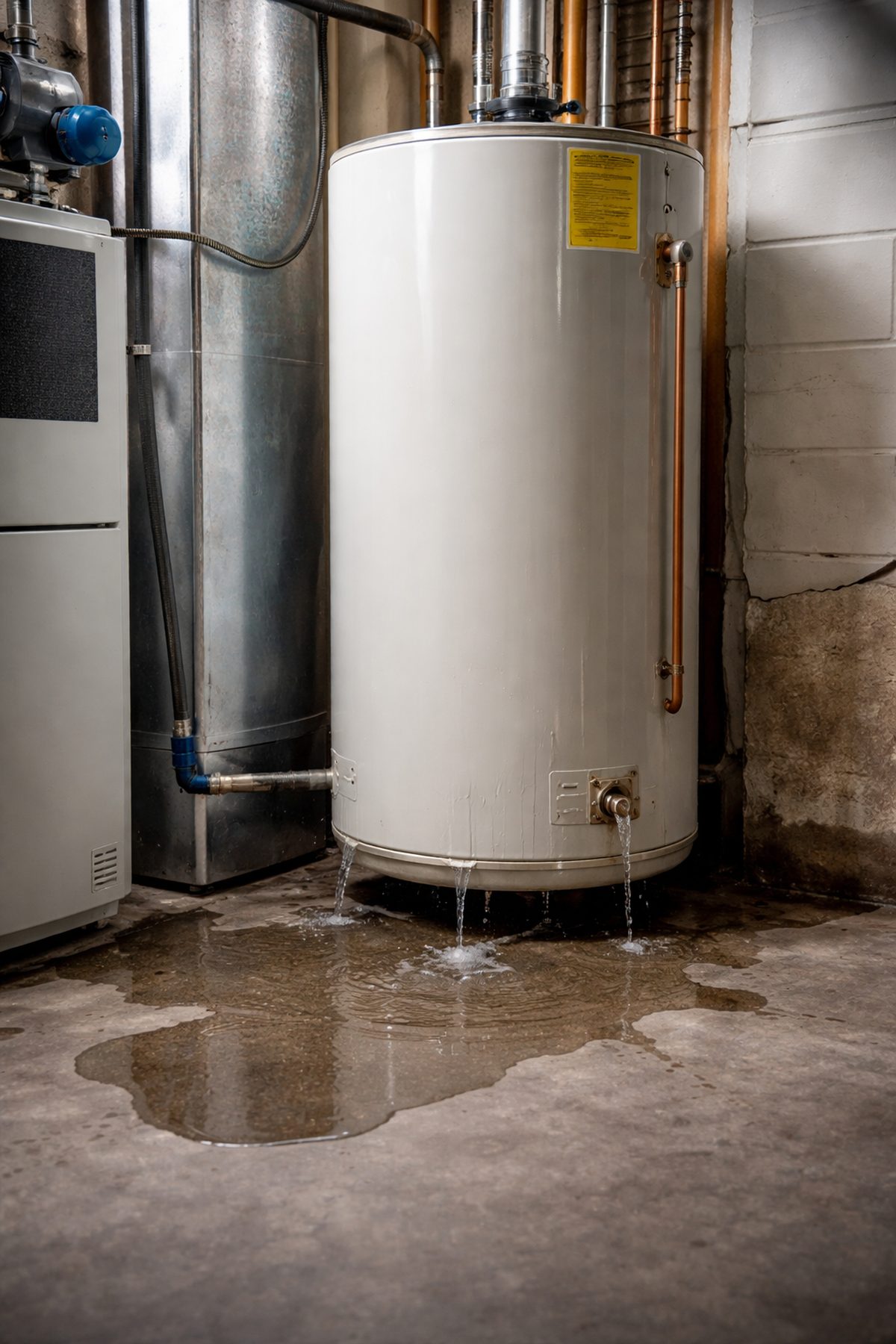
✅ Recent Water Damage – Flooding or leaks increase the risk of mold growth.
✅ Buying or Selling a Home – Ensure your property is mold-free before transactions.
✅ HVAC Contamination – If your heating or cooling system has mold, it can spread throughout your home.