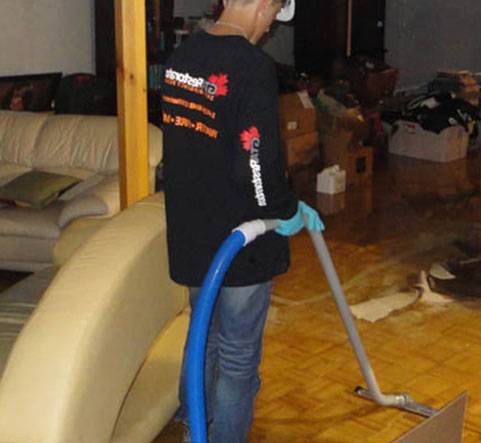
As the chilly winds of winter start to blow, many of us focus on preparing our homes for the cold insulating pipes, checking the furnace, or stocking up on firewood. However, one emergency that often goes unnoticed but can be just as damaging is sewage backup. The freezing temperatures and harsh winter conditions can bring about a range of plumbing issues, and a sewage backup can cause significant damage to your home and belongings.
At GTA Restoration, we understand the importance of being prepared for any emergency, especially during the winter months. In this blog, we’ll explore why sewage backups are more common in winter, and offer practical tips on how to prevent them and handle them if they occur.
Why Winter Makes Sewage Backup More Likely
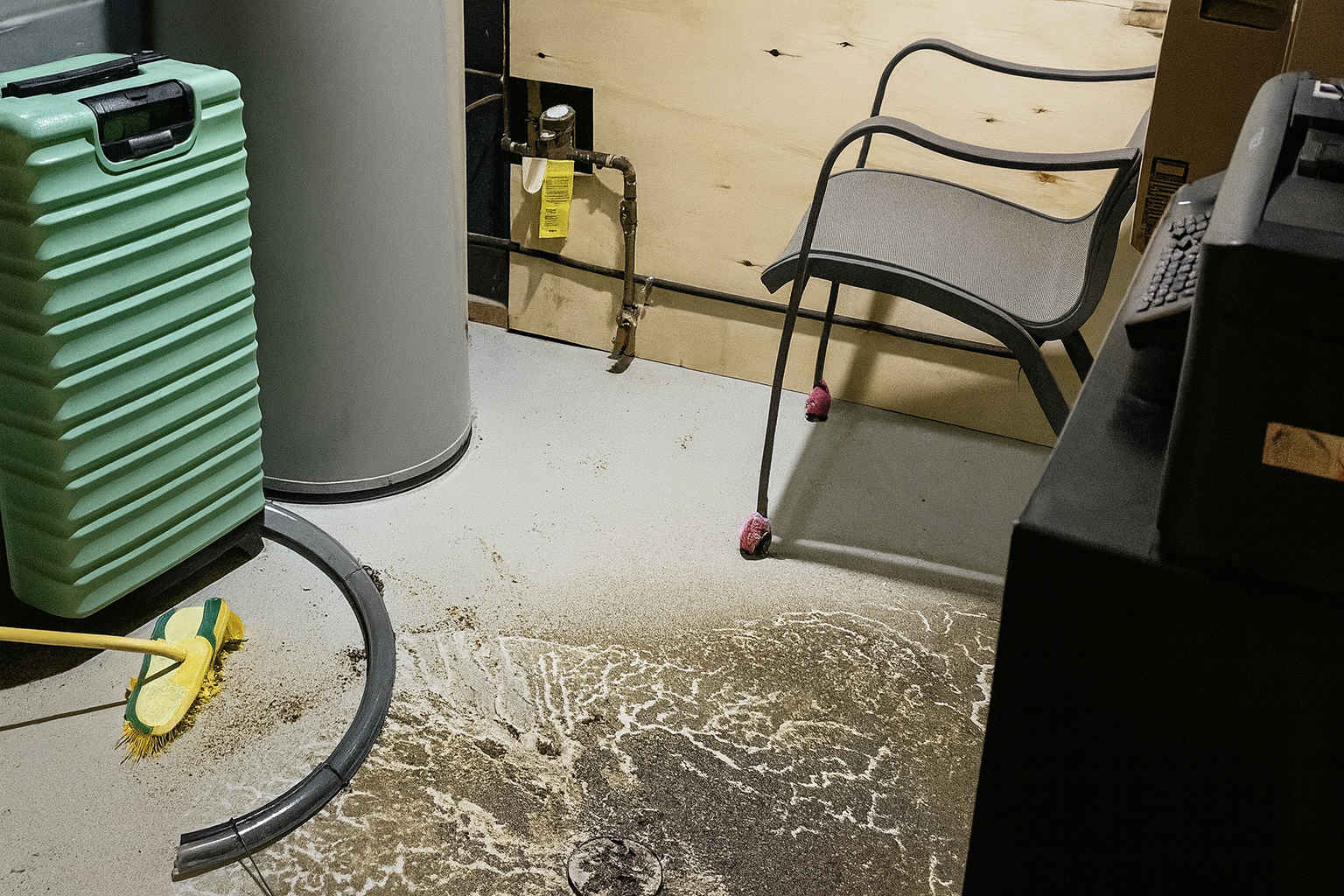
Freezing temperatures can affect your plumbing in various ways. As water freezes, it can block or rupture pipes, and the slow flow of water increases the likelihood of backups in the sewage system. Additionally, snow, ice, and heavy rainfall can overwhelm drainage systems, leading to backups that might affect your basement or other parts of your home.
Here are some specific reasons winter conditions can contribute to a sewage backup:
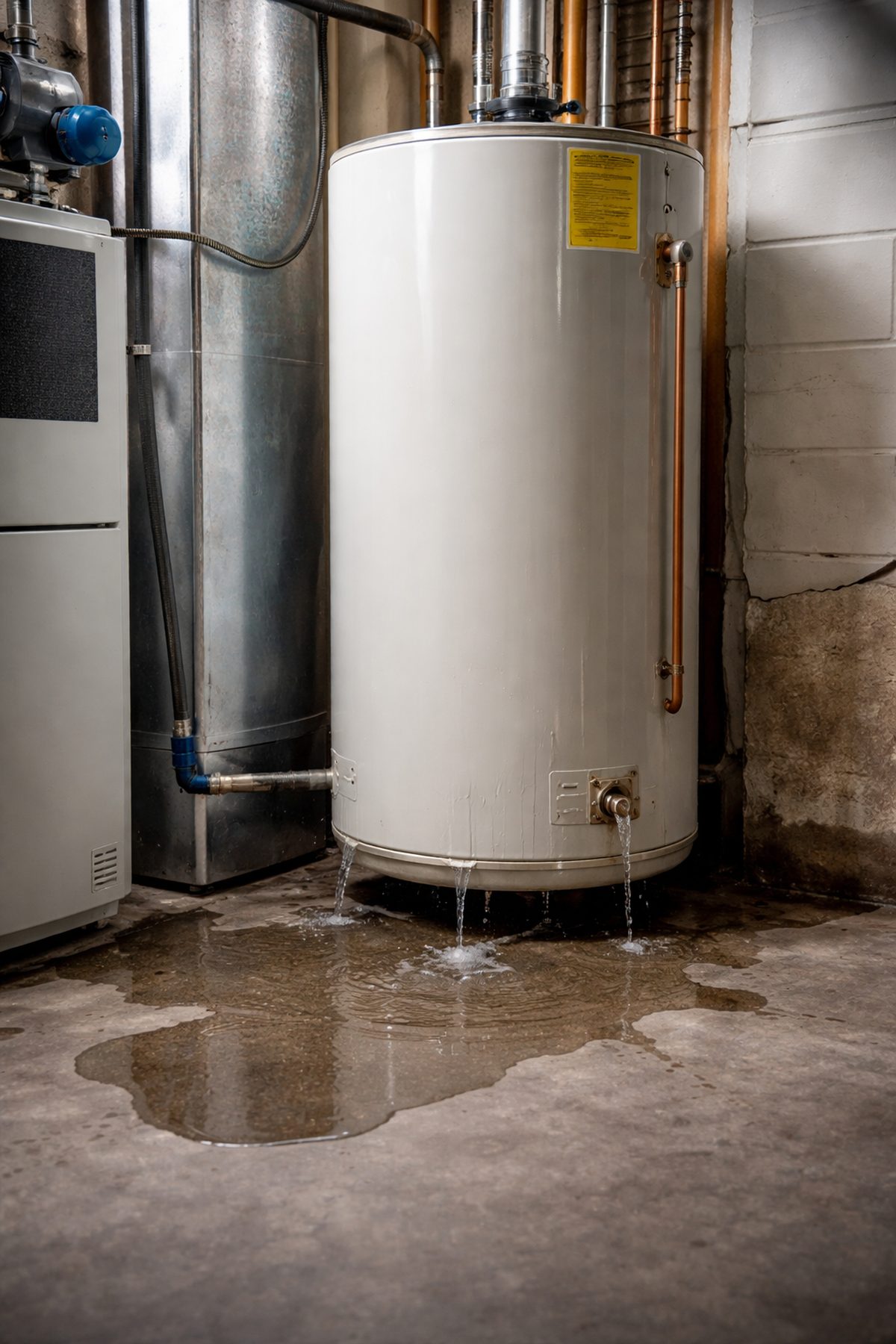
- Frozen Pipes: When temperatures dip below freezing, water inside pipes can freeze, expand, and potentially cause pipes to burst. This blockage can force waste back into your home through toilets, sinks, and drains.
- Clogged Drains: Winter storms often bring additional waste (like sand, salt, or debris) into drains, causing clogs. These obstructions can contribute to water backing up into your home when the drain is overwhelmed.
- Sewer Line Blockages: If ice or snow settles in areas where the main sewer line is located, it can obstruct the flow of waste, leading to backups in homes.
How to Prevent Sewage Backup Emergencies
Preventing a sewage backup requires proactive maintenance and awareness. Here’s what you can do to safeguard your home this winter:
- Inspect and Insulate Pipes: Ensure that all exposed pipes are properly insulated to prevent freezing. Pipes located in unheated spaces like basements, attics, or garages are particularly vulnerable.
- Maintain Your Drainage System: Clean your gutters regularly to prevent ice dams and clogs that could divert water toward your foundation. Also, ensure that any drainage pipes leading from your home are clear of leaves, debris, and snow accumulation.
- Check for Tree Roots: Tree roots are a common cause of sewer line blockages. In winter, as the ground freezes, roots may grow into cracked or compromised sewer pipes, causing backups. Have a professional inspect your pipes for root infiltration and remove any obstructions.
- Sump Pump Maintenance: A functioning sump pump is essential for protecting your basement from water damage. Ensure the pump is working properly by testing it before the winter season, and clear the pump’s discharge pipe to avoid freezing.
- Avoid Flushing Non-Flushable Items: Ensure that all household members know not to flush anything other than toilet paper down the toilet. Things like baby wipes, grease, and other non-biodegradable items can cause severe blockages.
- Monitor Your Water Pressure: Low or high water pressure can indicate an issue with your sewage system. If you notice any changes, it’s wise to have a plumber inspect your system to avoid unexpected backups.
What to Do If a Sewage Backup Occurs
Despite your best efforts, emergencies can still happen. If a sewage backup occurs in your home, acting quickly can minimize the damage and prevent further contamination. Here’s what you should do:
- Evacuate and Stay Safe: Sewage water is dangerous and can contain harmful bacteria and viruses. Evacuate the area immediately and avoid coming into contact with the water.
- Turn Off the Water Supply: If possible, turn off your water supply to prevent additional wastewater from entering the system.
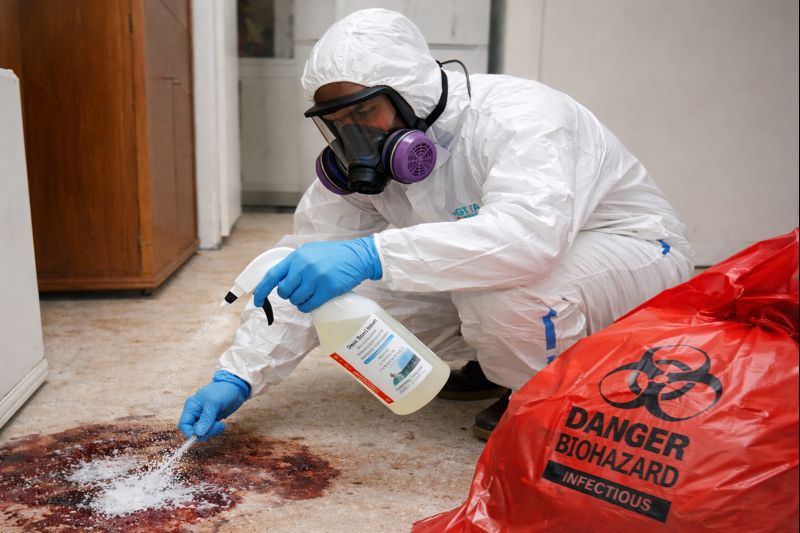
- Contact a Professional Restoration Service: Handling a sewage backup requires specialized equipment and expertise. Contact a certified water damage restoration service like GTA Restoration to help you with the cleanup process.
- Document the Damage: For insurance purposes, take photos of the damage and affected areas. This documentation can help in filing claims.
- Prevent Future Incidents: After the cleanup, work with professionals to determine the root cause of the backup and take steps to avoid it from happening again.
Conclusion
Winter can bring a host of challenges, and sewage backups are one emergency that no homeowner wants to face. By taking preventative measures like inspecting pipes, clearing drains, and maintaining your plumbing system, you can reduce the risk of sewage backups in your home. And if the worst happens, remember that you don’t have to face it alone. GTA Restoration is here to help with expert sewage cleanup and restoration services. Stay proactive this winter, and keep your home safe and dry!